
Indoor shoes on private sale
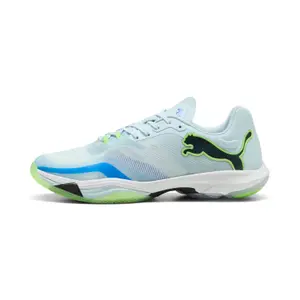
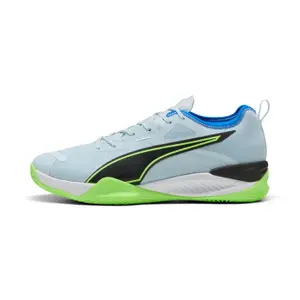
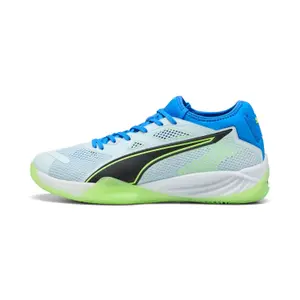
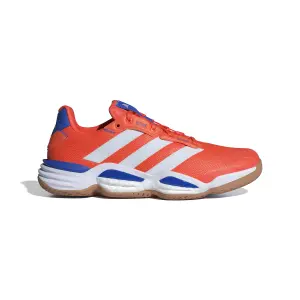
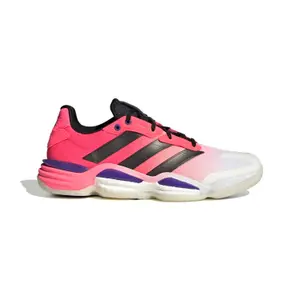
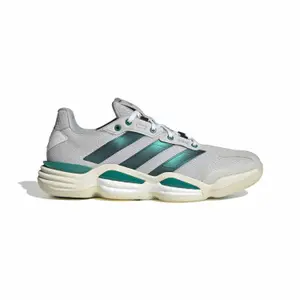
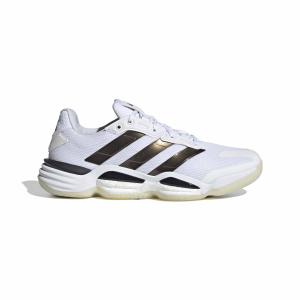
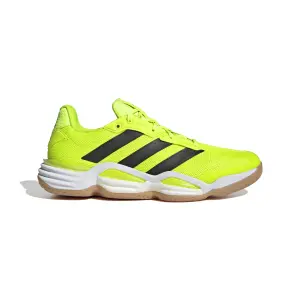


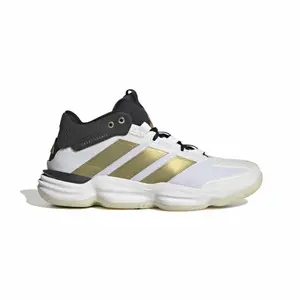
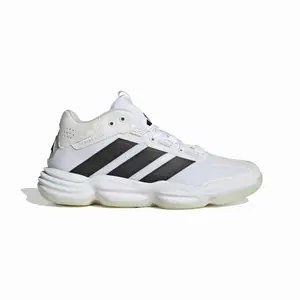
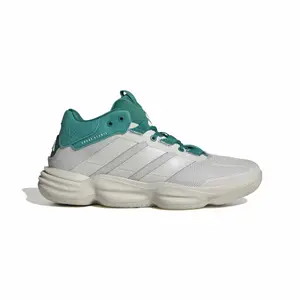

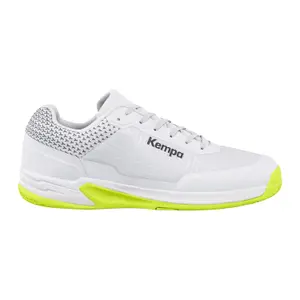
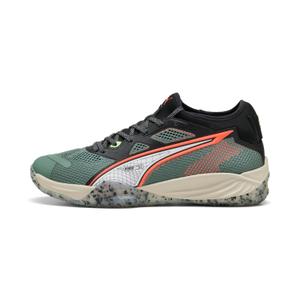


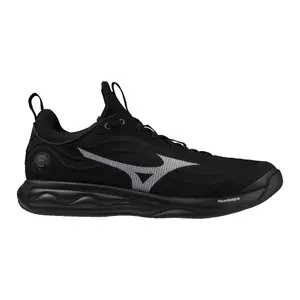


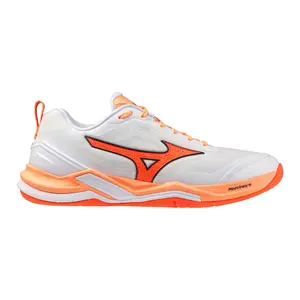
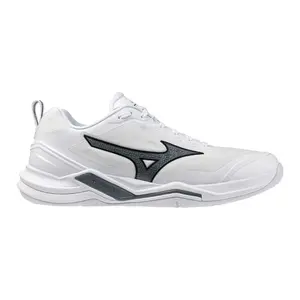
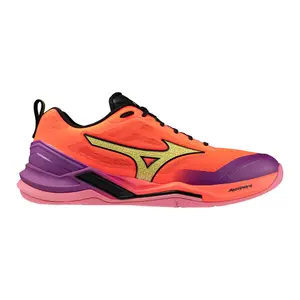


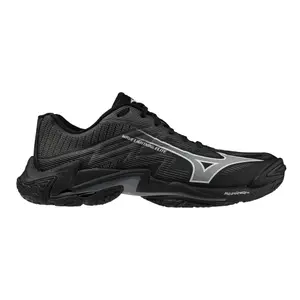


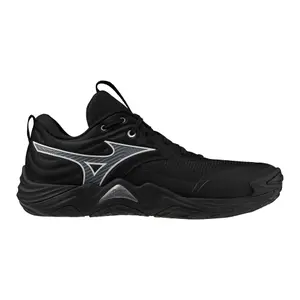


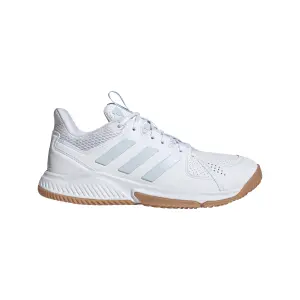
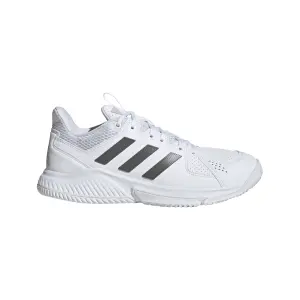
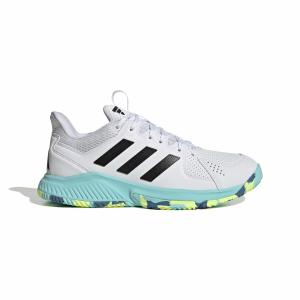


The private sales of Handball and volleyball shoes bring together indoor shoes for the court: adidas Stabil, Spezialist and Crazyflight, Hummel Topflight, Mizuno Wave Momentum, Luminous and Stealth Neo, Nike Hyperace and Hyperset, Puma Accelerate and Eliminate Nitro. Adult, women's and children's models, from the most stable for handball to the most cushioned for volleyball.
Discounted indoor shoes, for the duration of the event.
Support for handball, cushioning for volleyball
Both sports are played indoors, but they don't put pressure on the foot in the same way. Handball involves a lot of feints, direction changes, and duels: the shoe focuses on lateral stability, with a firm heel counter and a wide sole. Volleyball requires jumping at the net and receiving the ball: the shoe prioritises cushioning in the forefoot and lightness, with a flexible sole for low defensive movements. Many models are suitable for both activities, allowing versatile players to get by with just one pair.
Other private sales
Private sales for handball and volleyball also include:
- T-shirts.
- Shorts.
- Protective gear, kneepads and elbow pads.
- Accessories, resin, bags and socks.
All offers are gathered on the handball and volleyball page.
Mizuno Wave, Nike Hyperace: the references for volleyball
In volleyball, Mizuno is a reference brand. Its Wave plate, a wavy blade embedded in the sole, distributes shocks upon landing and stabilises the foot: the Wave Momentum is designed for players who jump a lot, the Wave Luminous focuses on lightness, and the Thunder Blade, more accessible, suits club players. The Nike Air Zoom Hyperace has an air Zoom cushioning under the forefoot for jumps, and the Zoom Hyperset emphasises flexibility. The adidas Crazyflight, light and low, is suitable for agile players.
Hummel, adidas Stabil, Puma: handball models
Handball has its specialists. Hummel, a brand founded in Hamburg in 1923 and based in Denmark, heavily involved in Scandinavian handball, offers the Topflight Pro, a stable match model, as well as the Powerstrike and Speed Court. The Stabil range from adidas, as its name suggests, focuses on stability, while the Spezialist continues the legacy of the Spezial, a handball shoe launched by the brand in 1979. At Puma, the Accelerate Nitro and the Eliminate Nitro use lightweight, responsive nitrogen-infused foam for acceleration.
Non-marking sole and good fit
Most gyms require a non-marking sole, made of clear or treated rubber, that doesn't leave black marks on the wooden floor or synthtic floor. This soft rubber wears out quickly on asphalt: you should keep your pair for indoor use only and put them on when you get there. For the fit, try on with thick sports socks and leave half a centimetre in front of the toes. Handball goalkeepers appreciate a soft upper that allows for great stretches, and children's models from Hummel, which are softer, are suitable for beginners. During a private sale, a high-end pair becomes more accessible.
Frequently asked questions
Can you play volleyball with handball shoes?
Yes, a handball shoe provides the grip and support needed for volleyball. However, a player who jumps a lot at the net will appreciate a model with more cushioning under the forefoot.
What shoe for a libero?
The libero makes a lot of low movements and dives: they need a low, lightweight, flexible shoe with very grippy rubber. Cushioning is less important than for an attacker, who jumps much more often.
High-top or low-top shoe for volleyball?
The low-top shoe, the most common, allows for free ankle movement for quick movements. A mid-top model reassures players with fragile ankles, especially the central players, who often land near opposing feet.
How to maintain indoor shoes?
Wipe the sole after each session to remove dust that makes it slippery, then let the pair dry in the air, with the insoles removed. Avoid washing machines and heat sources, which can delaminate the sole.
When to change handball or volleyball shoes?
A worn-out sole that slips, flattened cushioning, or a heel counter that no longer holds the heel are signs that it’s time to replace your pair. Players who train several times a week often change theirs every season.






