
Handball protection and volley in private sale
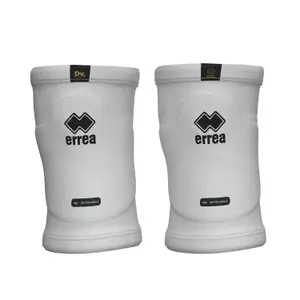
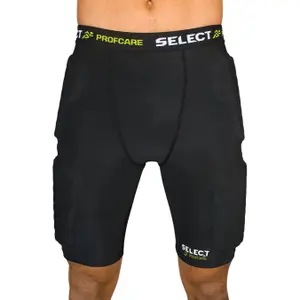
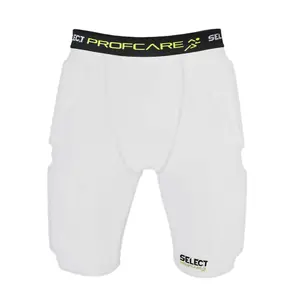


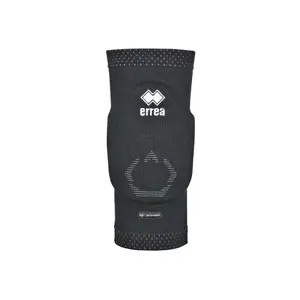

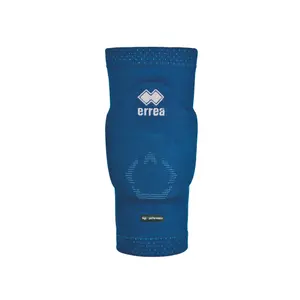


This private sale brings together handball and volleyball protections that absorb dives and falls on the court: knee pads Mizuno VS1 and Team, Errea Tokyo, Asics Gel, adidas Elite, Nike and Piu Adrenalina, elbow pads Mizuno, knee pad and compression shorts Select with padding, compression sleeves for the arms. Liberos, goalkeepers, pivots and defenders will find protection tailored to their position.
Dive and defend without getting hurt, at a reduced price.
Knee Pads for volleyball: How Foam Makes a Difference
In volleyball, the knee pad primarily protects the front and sides of the knee, which hit the floor during dives, low recoveries, and libero slides. The Mizuno VS1 gets its name from its VS1 foam panel, which is wider and denser than standard EVA, providing better impact absorption; fine perforations ventilate the joint during long rallies, and a carefully designed cut allows the leg to bend without the pad rolling up. The Errea Tokyo, from the Italian brand founded in 1988 near Parma, and the Asics Gel are based on the same principle of a thick front pad mounted on a breathable elastic tube.
The Rest of the Gear
The private sales for handball and volleyball also include:
All offers are gathered on the handball and volleyball page.
Handball: Goalkeeper and Pivot Protection
In handball, the goalkeeper is the player most exposed to the floor: they go for splits, lie down for low shots, and often land on their hip. The compression shorts Select, with side pads, cushion these falls without restricting leg movement, and can be worn under the match shorts. The pivot, who battles against defenders and finishes shots by diving into the area, usually opts for the Select compression knee pad, which is slimmer than a volleyball model: it supports the joint and protects it from friction against the floor. Wingers, who dive into tight angles, also use it.
Knee Size and Padding Thickness
A knee pad is chosen based on the knee size, measured with the leg straight at the middle of the kneecap, and then compared to the brand’s guide. If it’s too wide, it slips down the shin on the first jump; if too tight, it hinders bending and leaves marks on the skin by the end of the match. The thickness of the padding is then determined by the position: the Mizuno VS1 Ultra, with thicker and more enveloping foam, is aimed at defenders and liberos who go to the floor every rally, while an attacker or setter, who doesn't drop their knee as much, prefers a lighter model that preserves their jump. Sold in pairs, these knee pads provide equal protection for both legs.
Elbow Pads and Sleeves: Protecting Arms in Defence
The elbow pads Mizuno apply the principle of the knee pad to the elbow: a foam cushion sewn onto an elastic tube, which absorbs impacts when landing on the floor after a lateral dive. Handball goalkeepers, who extend themselves for mid-height shots, and liberos are the primary users. The compression sleeves for arms, without padding, cover the forearm up to the wrist: they reduce redness from repeated forearm receptions and protect against floor burns, while keeping muscles warm between rotations. Their women's cut fits a narrower arm without slipping down.
Frequently Asked Questions
Are knee pads mandatory in volleyball?
No, the rules require a shirt, shorts, socks, and shoes, but not knee pads. They are strongly recommended from the first training sessions, as learning to dive increases knee contacts with the floor.
Do you play beach-volleyball with knee pads?
Rarely: sand cushions dives and players go barefoot without protection. An indoor knee pad, designed for the floor, collects sand in its foam and quickly becomes uncomfortable on the beach.
How do you wash knee pads without damaging the padding?
Hand wash or machine wash in a mesh bag, at no more than thirty degrees and without fabric softener, to preserve the elastic. Dry flat, in the air and away from a radiator, as heat hardens the foam.
When should you replace knee pads?
As soon as the foam remains compressed after the match, when the fabric tears at the front, or if the elastic no longer holds on the knee. A flattened padding transmits shock instead of absorbing it, which a defender who dives often will quickly notice.
Is a volleyball knee pad suitable for handball?
For a goalkeeper, yes: its thick padding protects during landings on the floor. A field player often prefers a slimmer compression knee pad that supports the joint without hindering support or fast direction changes.






