
Private sale of snowshoes


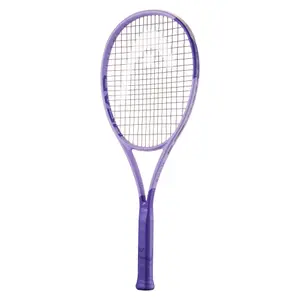

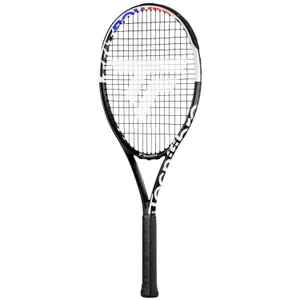


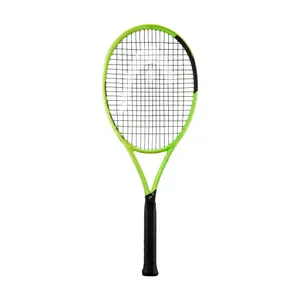
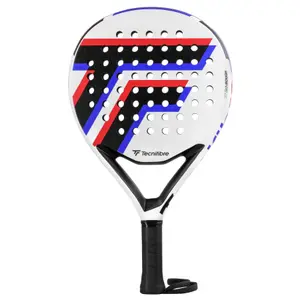
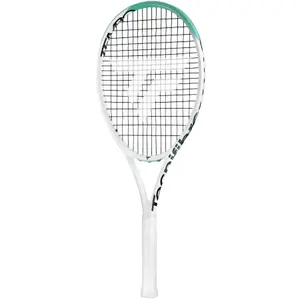
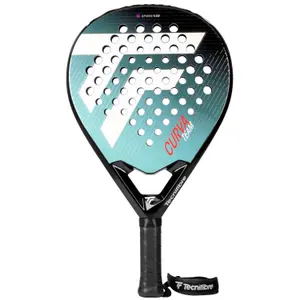

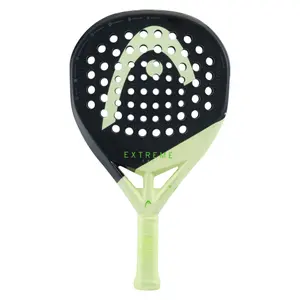


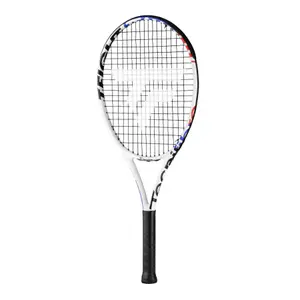


Private sales of rackets bring together, for the duration of the operation, frames for several sports: tennis rackets Babolat, Head, Wilson, Tecnifibre and Prince for adults and children, padel rackets Head and adidas, squash rackets Prince. From beginner to competitive play, each model stands out for its weight, balance, and hitting surface.
A quality racket at a reduced price for the duration of the operation.
Tennis, padel, squash, ping-pong: four different rackets
Each racket sport has its own distinct object. The tennis racket, strung, can be just over seventy-three centimetres long and usually weighs between two hundred and fifty and three hundred and twenty grams. The padel racket is solid, has holes, is limited to forty-five and a half centimetres in length and thirty-eight millimetres in thickness, with a compulsory wrist strap. The squash racket, also strung, is longer and thinner than a tennis racket but significantly lighter. The table tennis racket combines wood and two rubber coverings. During the private sale, these families coexist: it's best to identify yours before comparing.
The rest of the equipment
Private sales for rackets also include:
All offers are gathered on the racket sports page.
Tennis racket: weight, head size and balance
Three measurements define a tennis racket. The weight first: around two hundred and sixty grams, like the Tecnifibre T-Fit or the Wilson Allure, it is easy to handle; over three hundred grams, like the Wilson Blade or the Tecnifibre TF-X1, it stabilises the stroke of players who have a broad swing. The head size next: a large string bed, like that of the Head Instinct PWR or the Wilson Pro Staff RXT, expands the sweet spot and forgives off-centre hits. Lastly, the balance indicates where the mass is concentrated: head-heavy for power, towards the handle for manoeuvrability at the net. The Head Speed MP, versatile, sits between these extremes, hence its popularity in clubs.
Padel: shape, materials and foam density
A padel racket is first chosen for its shape. Round, it places the impact point near the handle, which favours control and is suitable for beginners; teardrop, it balances control and power; diamond-shaped, the mass in the head provides power for smashes but requires good positioning. Next comes the composition: faces made of carbon, rigid and precise, or fibreglass, softer and more forgiving, around a core of EVA foam that is more or less dense. The Head Alpha and the adidas Metalbone CTRL aim for control, while the Head Speed Motion offers an all-round game. The weight is around three hundred and sixty grams, give or take a few grams.
Squash and table tennis: very specific rackets
The squash racket can reach sixty-eight and a half centimetres long but rarely weighs more than one hundred and sixty grams, as the game, fast and confined between four walls, relies heavily on the wrist. The Prince Phoenix, with its thin frame, illustrates this search for speed. The table tennis racket consists of a blade, predominantly made of natural wood according to the regulations, and two glued coverings: one black, the other red or another bright colour allowed. Club players often assemble their own rackets, combining a fast or slow blade with more or less grippy sheets depending on their playing style.
Frequently Asked Questions
What tennis racket size for a child?
The length is chosen according to the child's height: twenty-one inches around five years, twenty-three inches around seven years, twenty-five inches around nine years and twenty-six inches from ten years onwards. The Babolat Drive, Carlitos and Wilson Slam are available in these lengths.
How to find the right grip size?
You measure the distance from the central fold of the palm to the tip of the ring finger. The result, often close to eleven centimetres for adults, corresponds to sizes two or three; too thin a grip makes the hand tense, while too thick a grip tires the forearm.
What padel racket weight to start with?
A racket weighing three hundred and fifty to three hundred and sixty grams, round in shape and with soft foam, is gentle on the elbow and facilitates control. Heavier and stiffer models are reserved for players who have already mastered the game against the wall and the smash.
At what tension to string a tennis racket?
The recommended range is indicated on the frame, often between twenty and twenty-seven kilos. A low tension provides power and comfort, while a high tension offers more control; a multifilament also spares the arm better than a polyester monofilament.
How to maintain the coverings of a ping-pong racket?
After each session, clean the sheets with a damp sponge or specific cleaner, then apply a protective film on the sticky sides. Stored in a case, away from heat and sunlight, the racket will retain its properties longer.






