
Kempa during the French Days


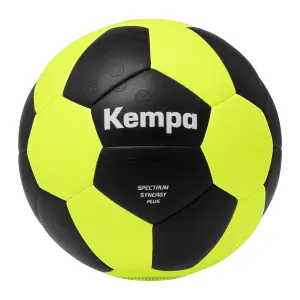


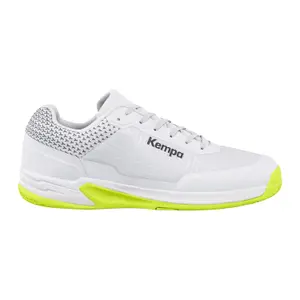
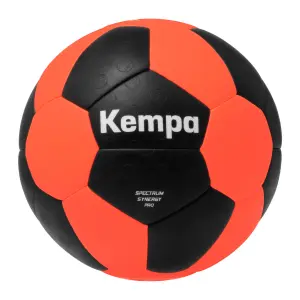


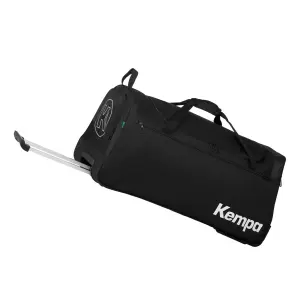


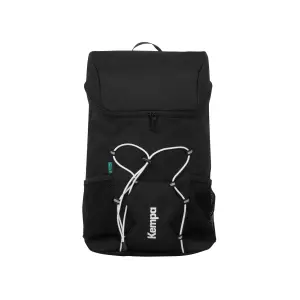


The Kempa selection from the French Days brings together equipment from the brand made for handball, at reduced prices for the duration of the event: lightweight or stable indoor shoes, training and match balls, team kits, tracksuits, and accessories. Club players, goalkeepers, and coaches renewing team gear can find what they need to tackle the season's matches.
Handball gear at reduced prices.
A sport that wears out equipment
The French Days in autumn occur a few weeks after the start of the championships, when players assess the wear on their gear. Handball is tough on equipment: sprints, sudden stops, jumps, and landings on one leg put stress on the sole and upper with every session, and repeated contact wears out the jerseys. Kempa was built solely around this sport, allowing it to design each piece for its demands, from indoor shoes to balls. Worn-out equipment, smooth soles or deformed balls, increases the risk of slipping and sprains.
The other brands
The French Days brands are also numerous:
All the brands can be found on the brands page.
Support, cushioning, grip: the anatomy of a handball shoe
A handball shoe relies on three qualities. Side support, provided by a reinforced upper and a rigid heel counter, prevents the foot from slipping out of the sole during footwork and fakes. Cushioning, located in the heel and under the front of the foot, absorbs landings after a jump shot, which can be several times the body weight. The grip comes from a non-marking rubber that grips the court while allowing for pivoting without locking the knee. At Kempa, the sole of the Wing Lite range has been developed with Michelin, a specialist in tires and grip on ground.
What ball size for each category
The size of the handball depends on the player's age and gender. Size 0 is for the youngest players; size 1, about 50 to 52 centimeters in circumference, is suitable for boys aged eight to twelve and girls aged eight to fourteen; size 2 is for boys from twelve to sixteen and girls from fourteen onward; size 3, measuring 58 to 60 centimeters, is for men and boys over sixteen. A ball that is too large for one hand makes it difficult to grasp and can distort the shooting motion. For a club, one ball per category is expected, plus a few match balls.
Socks, protection, and bags: completing the gear
Alongside the shoe and the ball, several accessories complete a handball player’s equipment. Handball socks, reinforced at the heel and toe, help limit blisters during stops. Protective gear, such as padded knee pads or elbow pads, is mainly used by goalkeepers and pivots who often find themselves on the ground. Team bags with separate compartments keep the indoor shoes separated from the rest of the kit, and ball bags allow coaches to transport team equipment. The resin used by adults for better ball grip can be removed later with a specific cleaner.
Frequently asked questions
How to choose a handball shoe according to position?
A winger or a centre-half, who is constantly accelerating, looks for lightness and responsiveness. A pivot or a back, often in contact, prioritises cushioning and stability, while a goalkeeper needs a flexible sole for side movements.
How to number a handball team's jerseys?
The rules require clearly readable numbers on the back and front, and a different-coloured jersey for the goalkeeper. The same reference is ordered in both children's and adult sizes to ensure all club categories have a consistent colour.
How to tell if a handball is properly inflated?
The recommended pressure is indicated near the valve. Using a pressure gauge and a moistened needle, it should be adjusted before the session: a ball that is too hard can hurt fingers and bounces excessively, while a ball that is too soft collapses and slows down the game.
How long does a handball shoe last?
For a player training two or three times a week, a pair often lasts a season. They should be replaced when the sole becomes slick, cushioning has worn out, or when the foot starts to slip in the upper during movements.
What is the difference between a training ball and a match ball?
The training ball prioritises durability for intensive use, with a soft covering that is gentle on the hands. The match ball focuses on consistent bounce and trajectory accuracy, at the expense of durability.






