
Puma during the French Days
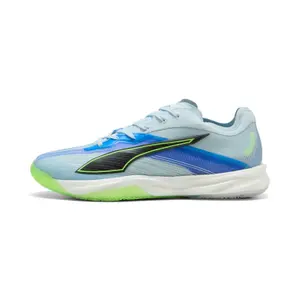
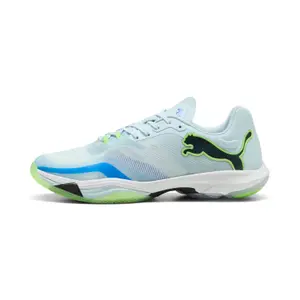
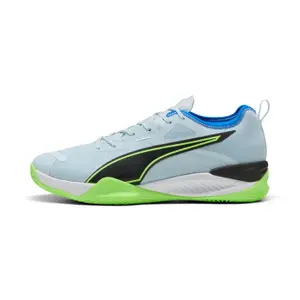


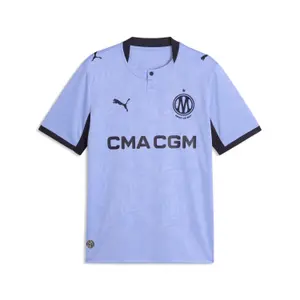
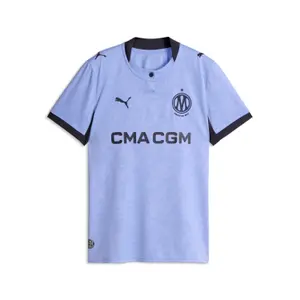
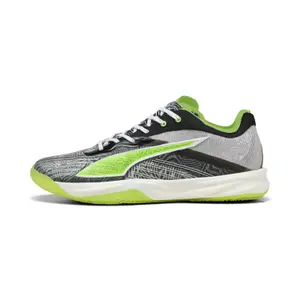
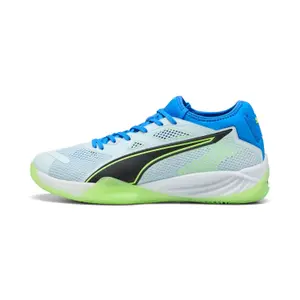


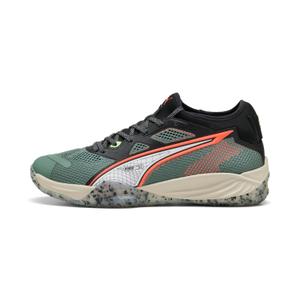


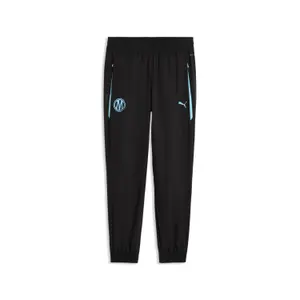
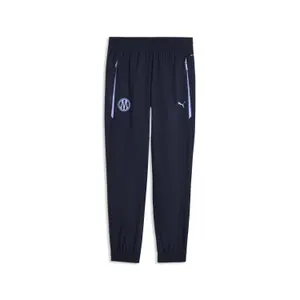
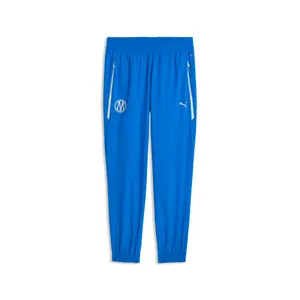
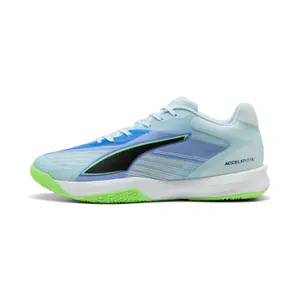
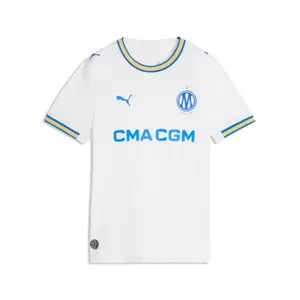


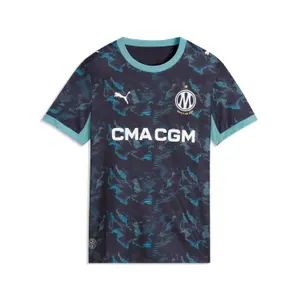
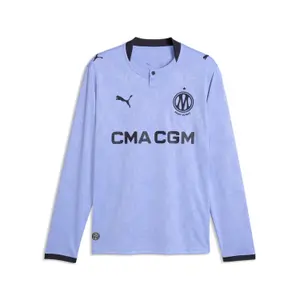

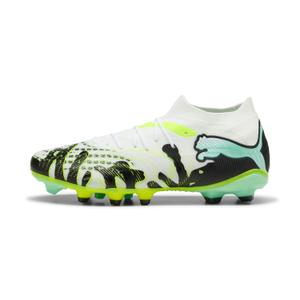
The French Days offer a selection from Puma, the feline brand born in 1948 in Herzogenaurach, Bavaria: running shoes with Nitro foam, football boots, indoor shoes, jerseys and training wear. A range that goes from sprinting to the football pitch, backed by a story involving sprinters, footballers, and pilots.
The feline, from sprint to pitch, at reduced prices.
Herzogenaurach, 1948: the birth of the cat
After the separation of the Dassler brothers, Rudolf Dassler founded his own company in Herzogenaurach, Bavaria. He first registered it under the name of Ruda, a contraction of his first name and his name, before choosing Puma: the brand was registered on 1st October 1948. The cat, agile and fast, embodies the ambition to equip the most lively athletes. In 1968, the Suede, the first suede sneaker, made history when American sprinter Tommie Smith raised his fist in protest against racial discrimination on the podium at the Mexico Games. Puma still has its headquarters in the same small town.
Other brands
The French Days brands are also available:
All brands are gathered on the brands page.
Nitro, the foam of Puma runners
In running, Puma has built its range around the Nitro foam, injected with nitrogen for added lightness and bounce. The Velocity Nitro, cushioned and versatile, is great for daily runs; the Deviate Nitro adds a carbon plate for fast sessions; the Fast-R Nitro Elite is aimed at road competitions, up to the marathon. The brand is also associated with sprinting: Puma athlete throughout his career, Usain Bolt set the world records for the hundred meters in 9.58 seconds and the two hundred meters in 19.19 seconds at the 2009 World Championships in Berlin.
Puma King, Future and Ultra: the cat's studs
In football, the Puma King has written the history of the brand: Pelé wore it during the 1970 World Cup in Mexico, won by Brazil. This model, made of soft leather, is still available today for players who prefer ball control. Two modern ranges accompany it: the Future, with an adjustable upper designed for agility and dribbling, and the Ultra, very light, designed for pure speed. Each is available with molded studs for dry and synthetic surfaces, or detachable for wet pitches. The brand's indoor shoes, with rubber soles, complete the offer for futsal and handball.
Speedcat and Suede: from sport to street
Several Puma models have transitioned from the sports field to everyday wear. The Speedcat, launched in 1999, was initially designed as a Formula 1 driver's shoe, with a low upper and a thin sole to feel the pedals; worn by Michael Schumacher in the 2000s, it became a low-profile city sneaker. The Suede, a descendant of sprinting, was adopted by breakdancers and the culture of hip-hop as early as the 1980s. The brand's training apparel, made of breathable technical fabrics, extends this dual identity, blending performance and style.
Frequently asked questions
Which Puma shoe for Hyrox?
Hyrox involves running and strength workshops: you need a shoe with enough cushioning for the miles and stable enough for lunges, sled pushes, and burpees. The versatile training models from Puma meet this dual requirement.
Which Puma for running a marathon?
Experienced runners aim for the Fast-R Nitro Elite or the Deviate Nitro Elite, with a carbon plate, for speed. To complete your first marathon, a more cushioned and stable shoe, like the Velocity Nitro, takes care of your legs.
Why did Puma choose a cat as its emblem?
The puma symbolizes flexibility, power, and speed, qualities that Rudolf Dassler wanted to associate with his sports shoes. The leaping cat has become one of the most recognizable logos in sports.
Do Puma shoes run large or small?
Most models follow standard European sizes. Competition shoes, which are more fitted, hug the foot closely: if you have a wide foot, consider going half a size up or choosing a wide-fit version.
Molded or detachable studs: which ones to choose?
The molded studs, made of rubber or plastic, are suited for dry and synthetic surfaces. The detachable ones, longer and sometimes made of aluminum, grip well on wet and muddy pitches: many players have a pair of each.






