
Kimonos from French Days
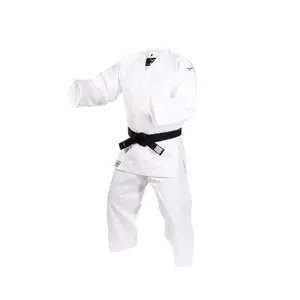

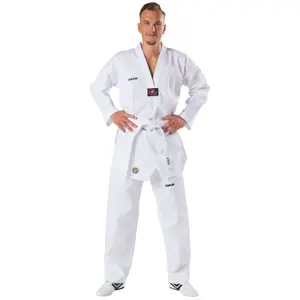
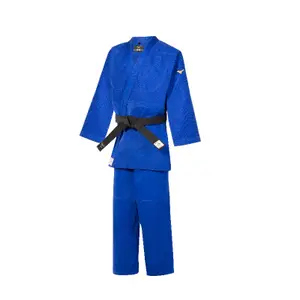
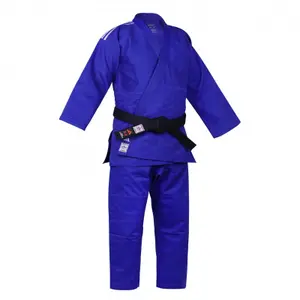
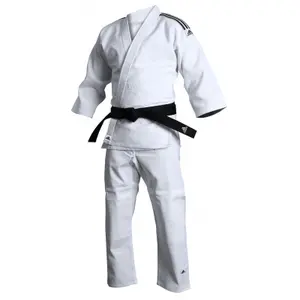
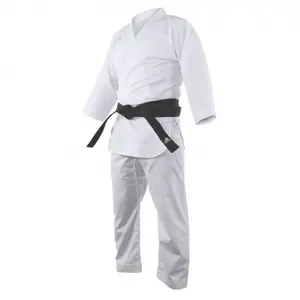

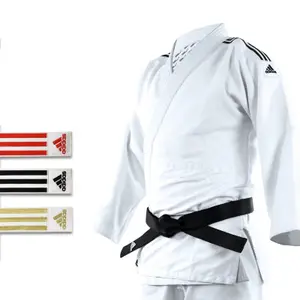
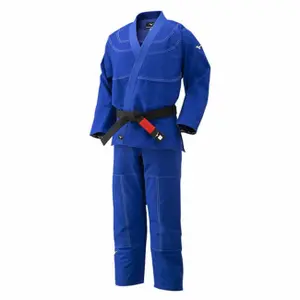

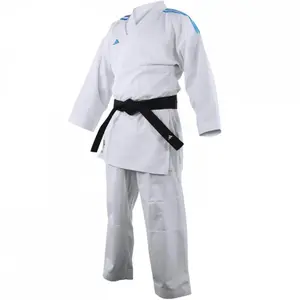
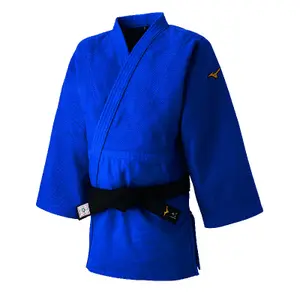
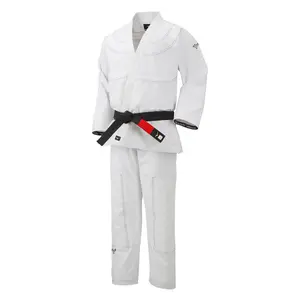
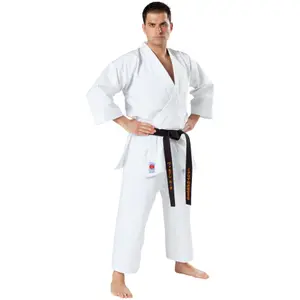
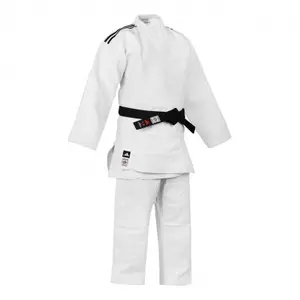
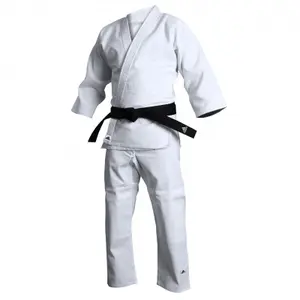
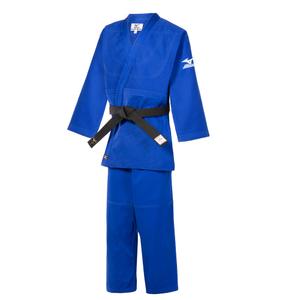

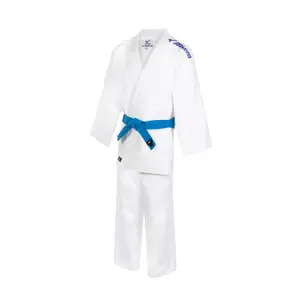
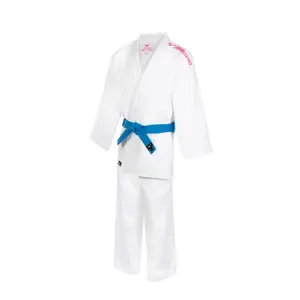
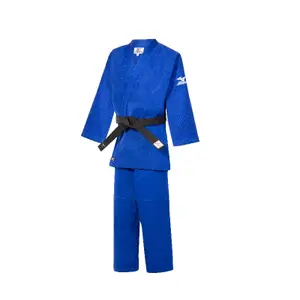
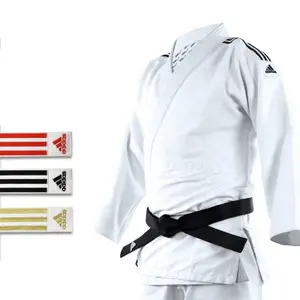
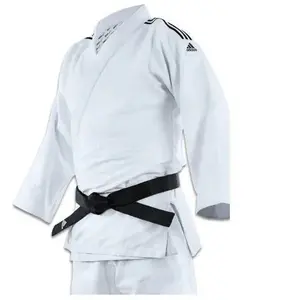
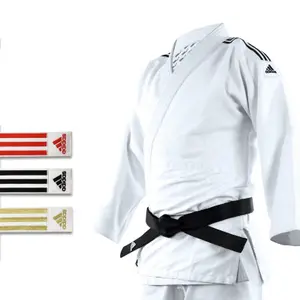
The kimonos selection from the French Days outfits martial arts with gear: judogis Mizuno Yusho and Danrho approved by the International Judo Federation, training kimonos Mizuno and Kwon Clubline, jiu-jitsu kimonos adidas and Danrho, karategis adidas Adizero and Danrho Shiro, doboks adidas and Kwon for taekwondo, aikido kimono Metal Boxe, in adult and child sizes.
From the first class to competition, at discounted prices.
IJF Approved Judogi: What the Label Checks
In international competitions, the International Judo Federation only accepts approved judogis, identifiable by their official label sewn onto the jacket and trousers. The regulations define the cut: the jacket must cover the thighs, the sleeves should reach near the wrist with arms extended forward, and the lapel must remain soft enough to be grasped. In 1997, the IJF adopted the blue judogi for one of the two fighters, so that judges and spectators could tell them apart at a glance; it made its debut at the Sydney Games in 2000. The Mizuno Yusho and Danrho Ultimate fall into this category, while a training judogi is sufficient for club classes.
The Rest of the Equipment
The French Days combat sports also include:
All the offers are gathered on the combat sports page.
Weight and Weave: Single, Double or Rice Grain
The weight of a kimono, expressed in grams per square metre, indicates the thickness and durability of the fabric. A single weave, light and flexible, is suitable for children and beginners: it dries quickly and is not heavy on the shoulders. The double weave, denser, withstands repeated grabbing and makes the jacket harder to hold: this is what competition judogis, like the Danrho Ultimate, use. Between the two, the so-called rice grain weave offers a compromise appreciated by club judokas who train several times a week. Cotton remains the reference material, sometimes blended with polyester to limit shrinkage.
Brazilian Jiu-Jitsu and Karate: Two Opposing Cuts
The Brazilian jiu-jitsu kimono, like the adidas Contest or the Danrho Shogun, is distinguished by a shorter and more fitted jacket than that of judo, narrower sleeves, and a thick, rigid collar that complicates choking grips; the trousers are reinforced at the knees, which are stressed by ground work. The karategi takes the opposite approach: its fabric is designed to support striking. For kata, a thick and a bit stiff fabric that snaps with each technique is preferred; for sparring, a lightweight fabric like that of the adidas Adizero allows free movement of the arms and legs. The Danrho Shiro Plus, in white cotton, is suitable for both club practitioners and children.
Taekwondo Dobok and Aikido Kimono: Other Outfits
The dobok of taekwondo is recognizable by its V-neck jacket, which is pulled over the head rather than crossed; a black collar signifies black belts, while a red and black collar indicates young holders of a poom, the junior equivalent grade. The adidas Champion and Adi-fighter or the Kwon Victory, made from lightweight fabric, support high kicks without constraining the leg. The aikido kimono, like the Metal Boxe Club, borrows its thick fabric from judo to absorb grabs and falls; advanced practitioners often add the hakama, a wide traditional pleated trousers. For younger students, the adidas Quest and Danrho Dojo Line judogis are selected based on size in centimetres.
Frequently Asked Questions
How to choose the size of a judogi for a child?
Measure the child standing, without shoes: the judogi size corresponds to their height in centimetres. If they are between two sizes, take the larger one, as cotton shrinks a bit in the first wash and the child grows quickly.
Does a cotton kimono shrink in the wash?
Yes, a pure cotton kimono can lose a few centimetres in the initial washes, especially in the tumble dryer. Wash it at thirty degrees and air dry; fabrics blended with polyester shrink much less.
Is the belt included with the kimono?
Training kimono for beginners often come with a white belt, while competition models rarely do. Check the product description, and make sure to get a belt of the right length for two turns around the waist.
How many kimonos should I have for training several times a week?
From two or three sessions a week, two kimonos allow washing one while the other is in use. A damp kimono put back in the sac spoils quickly and retains smells, especially in jiu-jitsu where one sweats a lot.
How do you fold a kimono for storage in your sac?
Lay the jacket flat, fold the sleeves towards the centre, then place the trousers folded in half on top. Roll or fold the whole thing and tie it with the belt: this keeps it in the sac without creasing.






