
Combat boots for the French Days
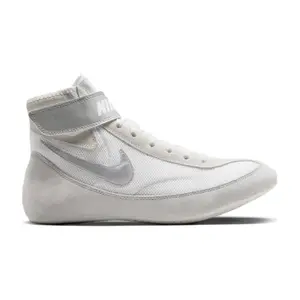
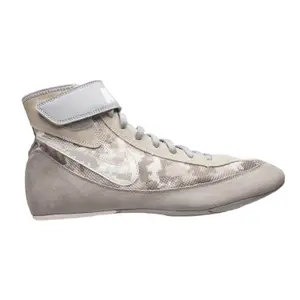
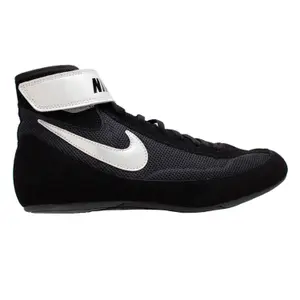
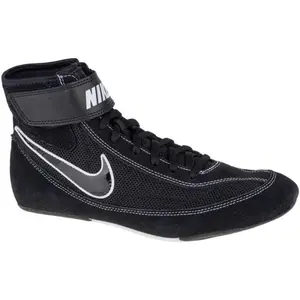
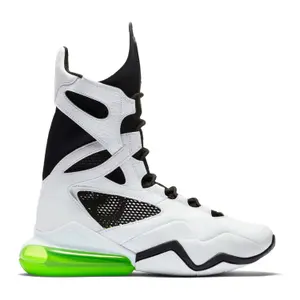
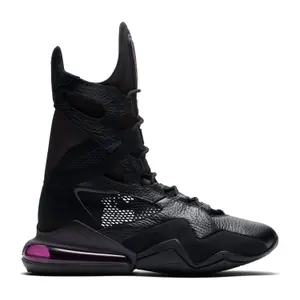
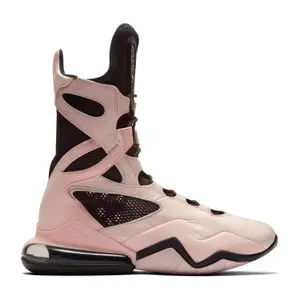
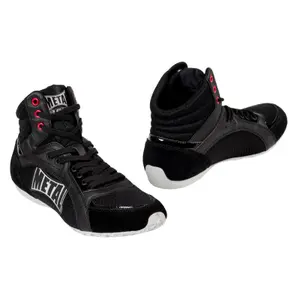
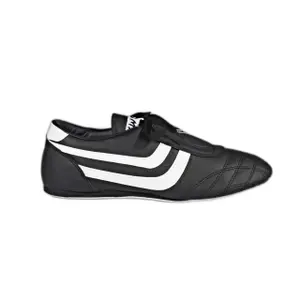
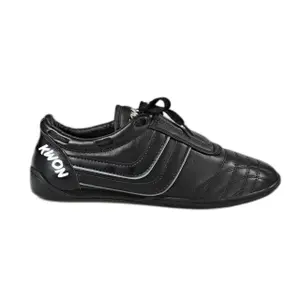
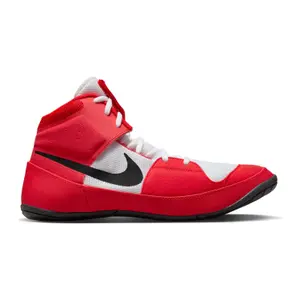
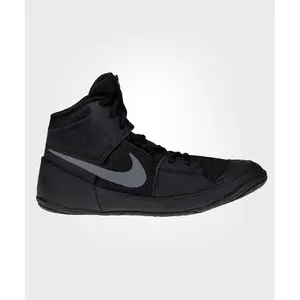
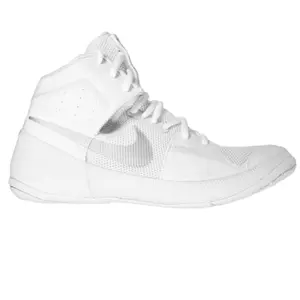
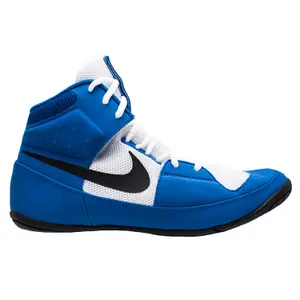

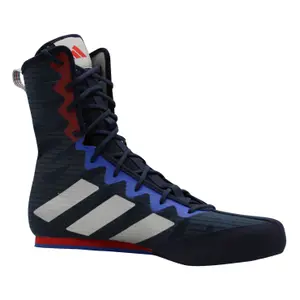
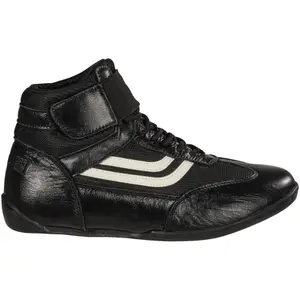
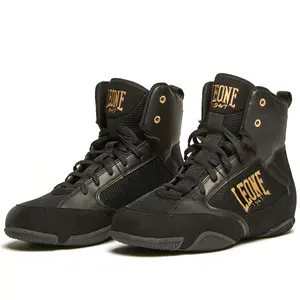
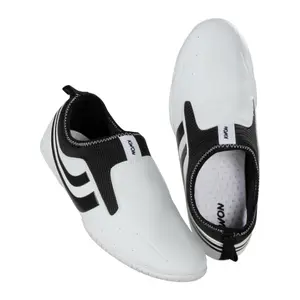
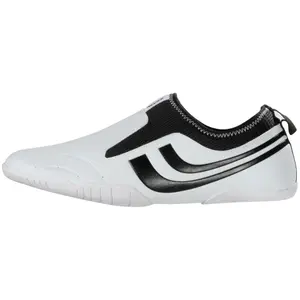

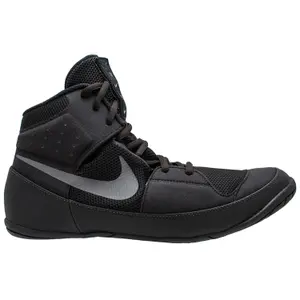
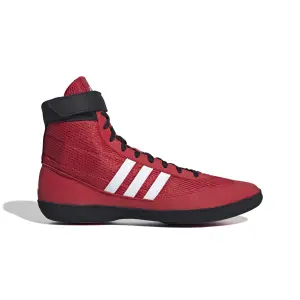
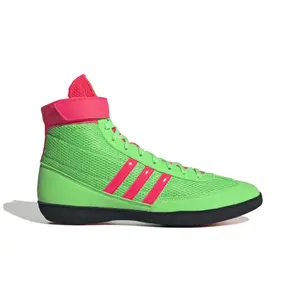
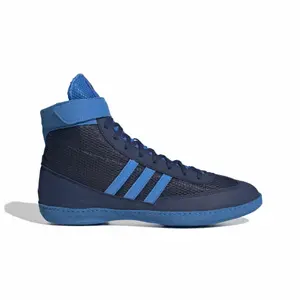
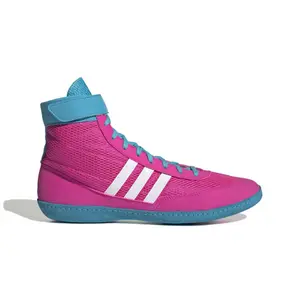


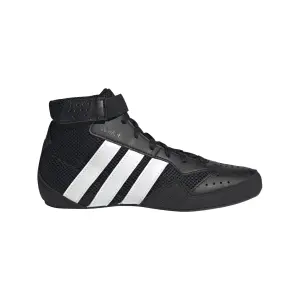
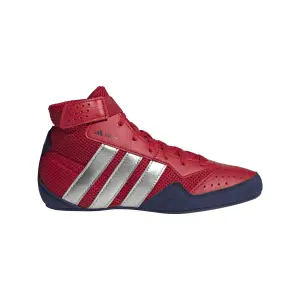
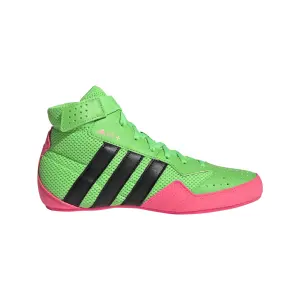
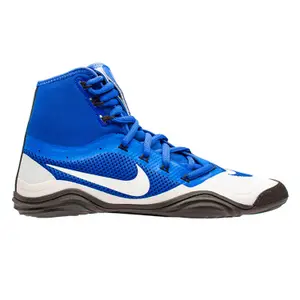
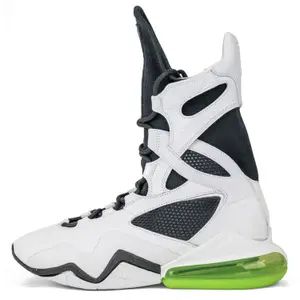
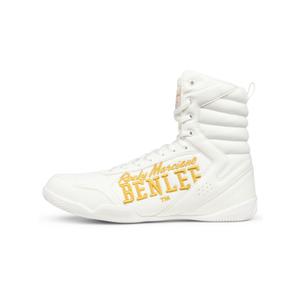
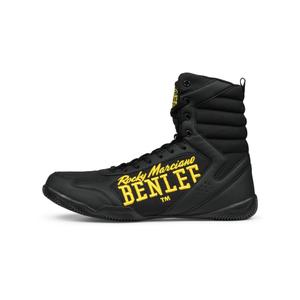
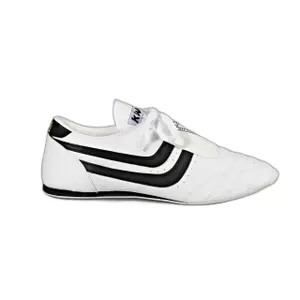
The combat sports shoes selection from the French Days includes boxing, wrestling, and taekwondo shoes, as well as versatile models for multi-boxing. High-top or low-top, thin soles that let you feel the ground: each discipline has its requirements, from the ring to the mat, and this selection helps fighters find the right pair for their sport and level.
Secure support for fighting, at a reduced price.
Boxing shoes: high-top and pivot
The boxing shoe rises high on the ankle to support it during movements and weight transfers, without restricting it. Its sole is thin and flat, without significant relief, allowing rotation on the front of the foot when throwing a hook or a straight punch, a movement that would be hindered by a running shoe. The boxer relies on their footing: they need to feel the canvas of the ring to gauge each step. The lightweight upper, often made of mesh and synthetic materials, helps reduce fatigue when the rounds pile up. Mid-top uppers are suitable for those who prioritise mobility, while high-tops are better for those who have suffered ankle sprains before.
The rest of the equipment
The French Days combat sports also include:
All the offers are gathered on the combat sports page.
Wrestling shoes: the rules require it
In wrestling, the shoe is part of the mandatory outfit. The international rules require a flexible model that hugs the ankle, with no heel, no studs, no buckles or metal parts, and with laces covered or secured to prevent them from coming undone during the match. Its very thin sole grips the mat during pushes, sprawls, and level changes, without damaging it. For both freestyle wrestling and Greco-Roman wrestling, a snug pair is essential: a foot that floats loses grip and is prone to ankle twists during ground phases.
French boxing and taekwondo: two opposing uses
In French boxing, or savate, the shoe is a weapon: kicks are delivered with the toe, sole, or heel, and the rules call for a lightweight shoe with a smooth sole, without metal eyelets or protrusions that could cause injury. In contrast, taekwondo is practiced barefoot in competition; the low, flexible shoe, with a pivot zone under the forefoot, is used for training on hard surfaces or in places where bare feet are not allowed. In Muay Thai and kickboxing, fighters also compete barefoot, hence the importance of multi-boxing models for warming up and moving around.
Shoe size, lacing, and maintenance of combat shoes
A combat shoe should be chosen in its exact size: the heel should not lift, nor should the foot slide forward during a pivot. It should be tried on at the end of the day, with the training socks, and the lacing should be tightened all the way up the shaft. To last, it should only be used indoors: concrete wears down the sole and embeds gravel that damages the mat or the ring canvas. After the session, loosen the laces, remove the insole, and let it air dry, away from the radiator which hardens the rubber and weakens the adhesives.
Frequently asked questions
Can you box in trainers?
For beginners, a lightweight trainer with a thin sole can do, but the thick cushioning of a running shoe can hinder pivots and lead to sprains. Once you train multiple times a week, a proper boxing shoe provides support and grip precision.
What’s the difference between boxing shoes and wrestling shoes?
Both are high-top and lightweight, but wrestling shoes wrap more around the foot and their thinner sole grips the mat during pushes. Boxing shoes, being a bit more structured underfoot, facilitate pivots on the ring canvas.
What size should you get for boxing shoes?
Generally, you keep your usual size, checking that no toe passes behind the heel once the shoe is laced. An overly large model causes rubbing and blisters, as the foot slides with each change of stance.
Do you need shoes for practicing MMA?
No, MMA is practiced barefoot, both on the mat and in the cage, to allow for leg locks and throws. Lightweight combat shoes are only used for warming up and moving around the gym, to keep the mat clean.
How long does a pair of boxing shoes last?
Used only in the gym, a pair lasts a long time with two or three training sessions a week. It should be replaced when the sole becomes smooth and slippery, or when the upper deforms and no longer supports the ankle properly.






