
Volleyball: offers for French Days
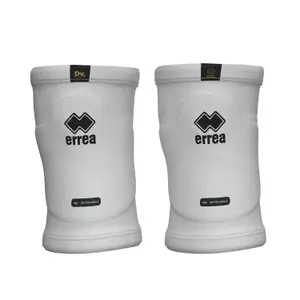


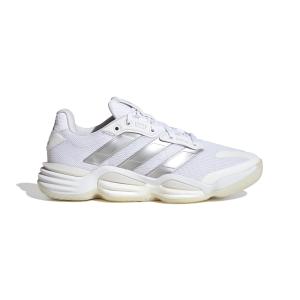
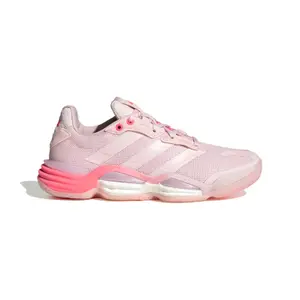
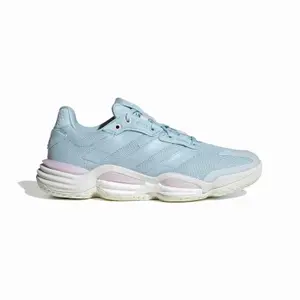
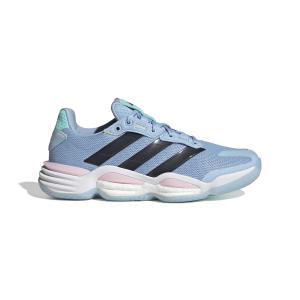


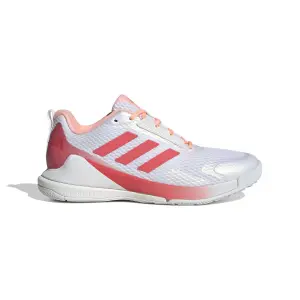

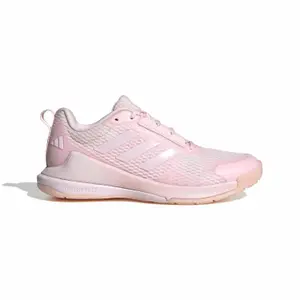


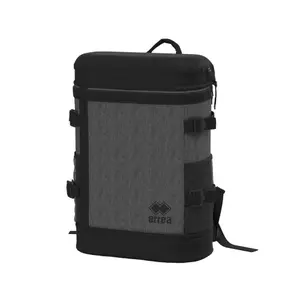


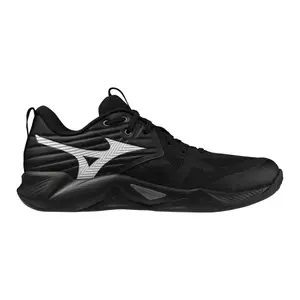


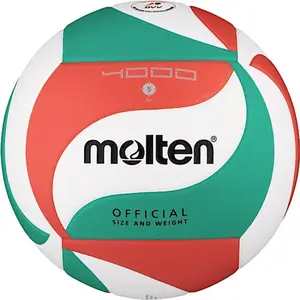
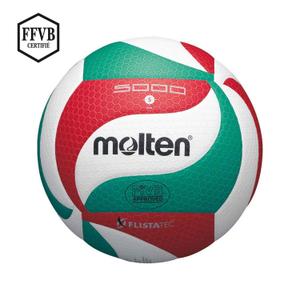


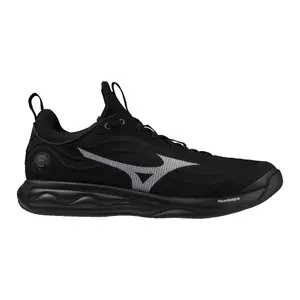


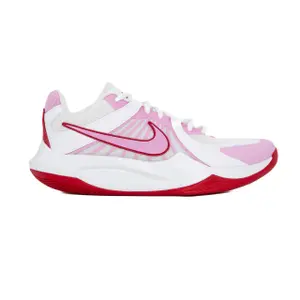
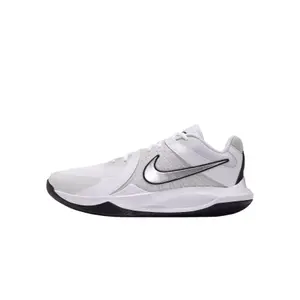
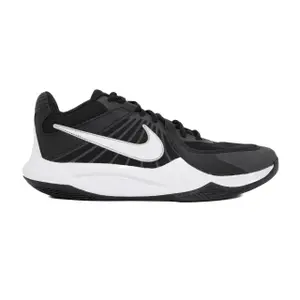
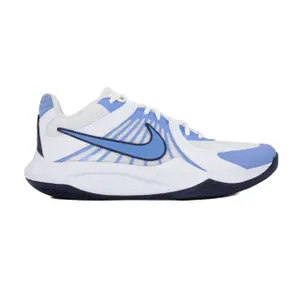
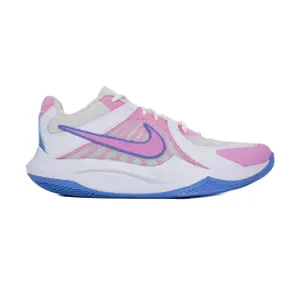
The volleyball selection from French Days outfits the indoor player just like the beach enthusiast: match and training balls from Mikasa and Molten, official beach volley ball, knee pads from Errea, Mizuno and Nike, indoor shoes from Asics, Mizuno and Nike, shirts and training tops of the France team. A selection for clubs, licensed players and supporters of the Blues, Olympic champions in Tokyo and then in Paris.
From the court to the beach, at a discounted price.
Mikasa V200W, V330W or Molten: which ball for indoors
The Mikasa V200W is the official ball for the competitions of the International Volleyball Federation: its eighteen panels and textured surface stabilise the trajectory, particularly for the floating serve. The V330W uses the same technology in a version designed for training and clubs, making it more affordable for building a bag of balls. At Molten, the V5M5000, available in the colours of the National Volleyball League, is used for matches, and the V5M4000 accompanies training sessions. All these balls meet the size five standard: 65 to 67 centimetres in circumference and weighing between 260 to 280 grams.
Other indoor sports
The French Days indoor also includes:
- Yoga, mats and accessories.
All the offers are gathered on the indoor page.
Beach volley ball: how it differs from the indoor ball
On the sand, the ball changes character. The Mikasa Beach Pro BV550C, the official ball for international beach volley tournaments, measures 66 to 68 centimetres in circumference and weighs the same as the indoor ball, but is inflated to a pressure significantly lower, between 0.17 and 0.22 bar. Softer, it floats longer in the air, allowing time to run on a surface that shifts, and its seams withstand water and sand. In return, it is sensitive to the wind, which players learn to use during serves. The beach volley, an Olympic discipline since Atlanta in 1996, is played two against two, barefoot.
Volleyball kneepads: what level of protection for each position
The kneepad protects the kneecap during low receptions, dives, and falls on the court. Slim models with light foam, such as the Mizuno Team or the Nike Streak, are often sufficient for setters and middle blockers, who touch the floor less. The libero and outside hitters, who are on the floor in every rally, prefer more generous padding, like that of the Errea Tokyo. It should be chosen according to the size of the knee: too tight, it cuts off circulation; too loose, it slips down the leg during matches. The arm sleeve of the French team limits reception burns on the forearms.
Indoor volleyball shoes: cushioning and grip at the net
The volleyball player jumps dozens of times per match: the indoor shoe must cushion receptions and grip the court without leaving marks. A sole made of rubber with a fine pattern allows for quick starts and lateral movement, while a well-fitted heel stabilises the ankle on landing, where most sprains at the net occur. The Nike Air Zoom Hyperace emphasises the responsiveness of its air cushion, the Mizuno Wave Momentum focuses on the Wave plate of the brand, which absorbs the shock of reception, and the Asics Metarise prioritises lightness. A pair reserved for indoors retains its grip much longer than a shoe worn outside as well.
Frequently asked questions
How are points counted in volley-ball?
Each rally won scores a point, whether the team served or not. A set is won at 25 points with a two-point lead, the match is played in three winning sets, and a possible fifth set stops at 15 points.
How was volley-ball created?
William G. Morgan, a physical education teacher, invented it in 1895 in Holyoke, Massachusetts, as a game less brutal than basketball. Initially called mintonette, it took the name volley-ball the following year.
At what pressure should a volley ball be inflated?
An indoor ball is inflated between 0.30 and 0.325 kilograms per square centimetre, or about 0.29 to 0.32 bar, a value often noted near the valve. This is checked with a gauge, like the Mikasa AG500, using a moistened needle to protect the valve.
What are the positions in volley-ball?
Six players share the court: a setter, an opposite, two outside hitters, and two middle blockers. The libero, a defensive specialist, replaces a middle blocker in the back row; he wears a jersey of a different colour and cannot attack above the net.
What volleyball should a young player use?
There are lighter and softer balls, the same diameter as the official ball, that make passing and touching less painful. The switch to a standard competition ball happens when the skills are mastered, often at the start of adolescence.






