
Women's Running Shoes from French Days


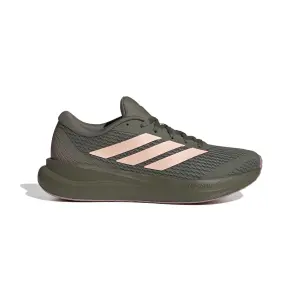


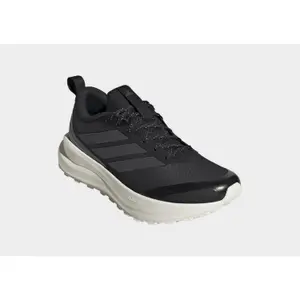
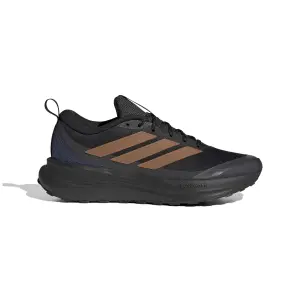
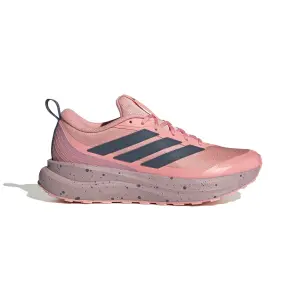
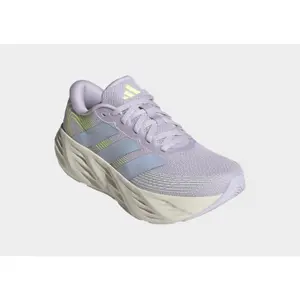
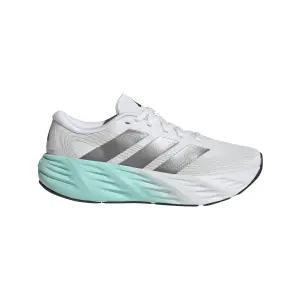
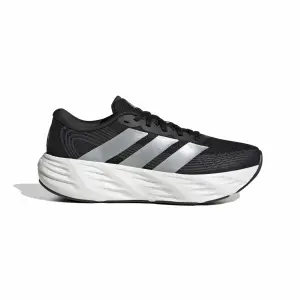
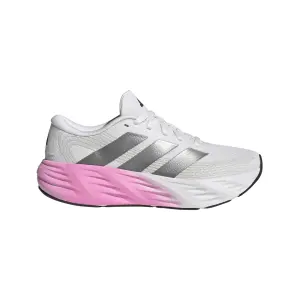
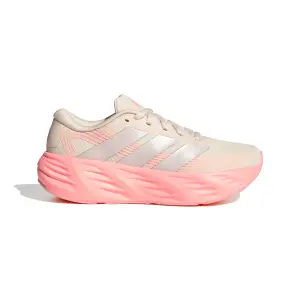
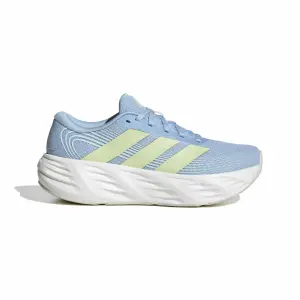
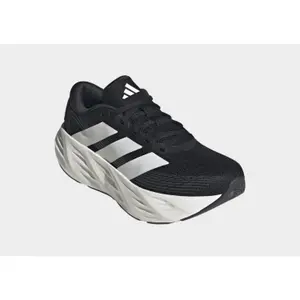
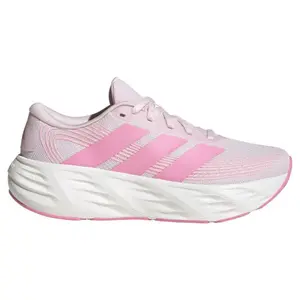
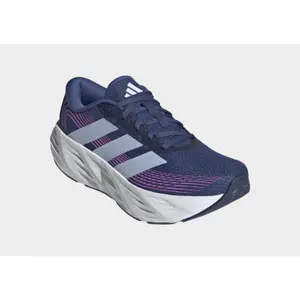


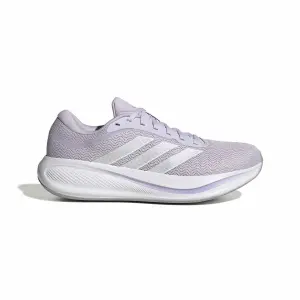


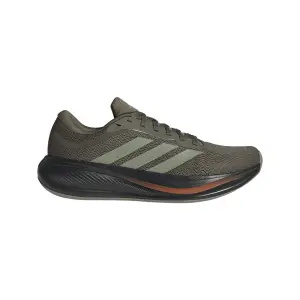

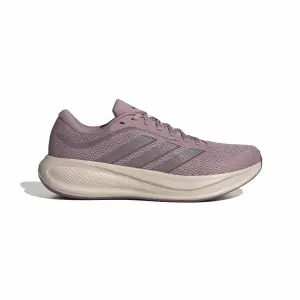
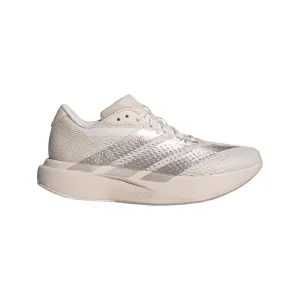
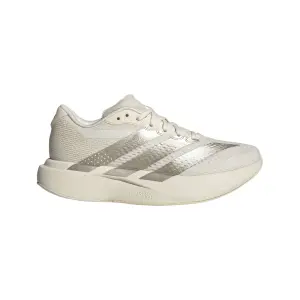


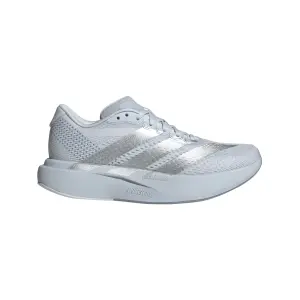
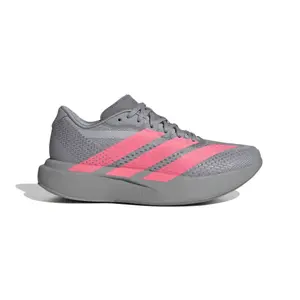


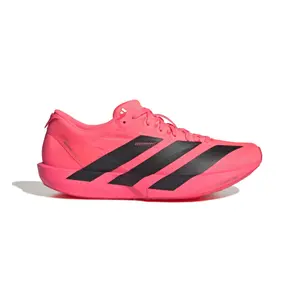


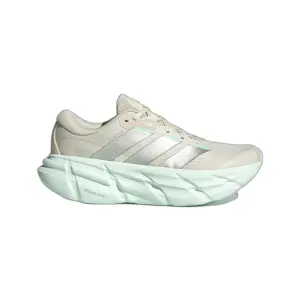
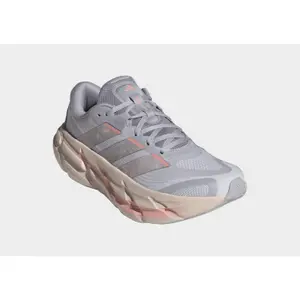
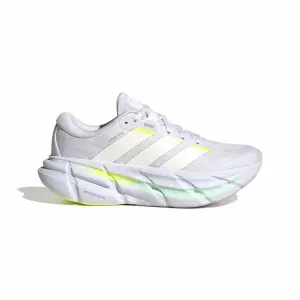
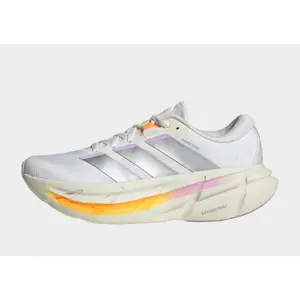


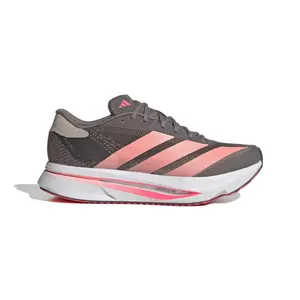

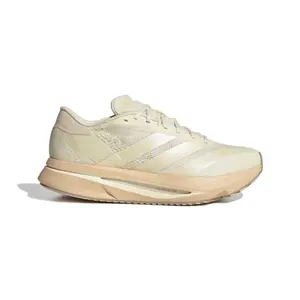


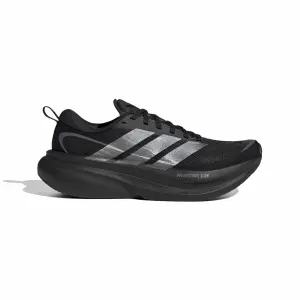
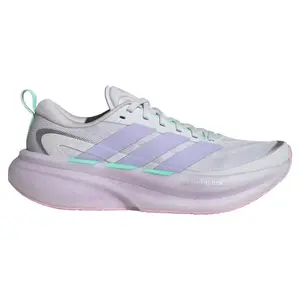
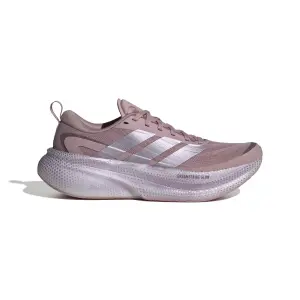

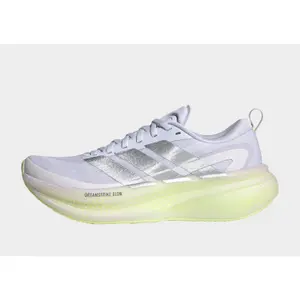
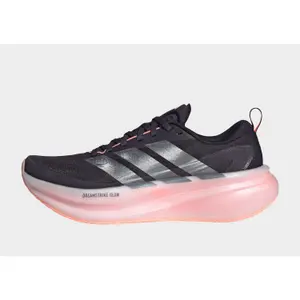
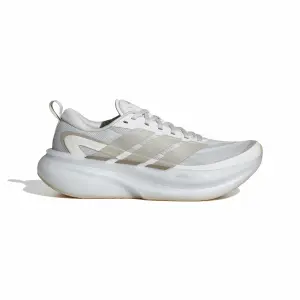
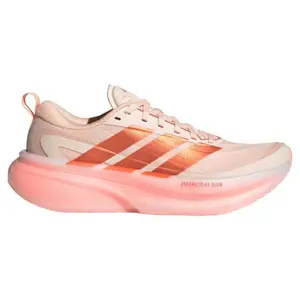


The selection of women's running shoes from the French Days covers all paces: Asics Novablast and Superblast for training, Nike Vomero for cushioning, adidas Adizero Adios Pro and Puma Deviate Nitro for competition, adidas Duramo and Hyperboost for beginners or varying runs. Each model is chosen based on the distance, stride, and goals of the runner.
Get back to running this spring at a discounted price.
A shoe designed for the female foot
A women's running shoe is built on a shape adapted to the female foot, which is typically narrower at the heel and more slender at the ankle for the same length. As female runners are often lighter, some brands calibrate their foam to be a bit softer, so that the cushioning works fully with each stride. The shoe sizes also start lower, from thirty-five, while men's models usually begin around thirty-nine. A runner with a wide foot can still opt for a mixed version, which is more generous at the front. The French Days are a good time to compare several models before making a decision.
The rest of the gear
The French Days running category also includes:
- Men's Shoes.
- Women's Apparel, bras, vests, and jackets.
- Men's Apparel.
- Juniors.
- Equipment, watches, water bottles, and belts.
All offers are gathered on the running page.
Daily training: Novablast, Vomero, Duramo
To run several times a week, a versatile training shoe can cover the essentials of the mileage. The Asics Novablast, with bouncy foam and a moderate drop, is suitable for easy runs as well as more intense sessions. The Nike Vomero focuses on thick, soft cushioning, appreciated on long runs and by runners who want to protect their joints. The adidas Duramo SL, simpler in design, remains a good entry point for beginners or for those returning after a break. The Asics Superblast, unisex, combines a very high sole with lightweight foam, without a plate, for long runs at a steady pace.
Running fast: carbon plates and competition foams
Competition shoes pair very responsive foam with a rigid element that propels the stride. The adidas Adizero Adios Pro incorporates carbon rods, called EnergyRods, embedded in its Lightstrike Pro foam, while the Puma Deviate Nitro features a carbon plate, named PWRPLATE, in nitrogen-infused Nitro foam. They can shave precious seconds off your mile pace but place more strain on the calves and Achilles tendons: they are reserved for specific training sessions and race day, after being broken in. For a first half-marathon, a well-cushioned training shoe often remains the safest choice.
Finding the right size, from thirty-five to forty-two
The foot swells while running: you should choose a running shoe with about a centimetre of space in front of the big toe, which often means half a size to a whole size larger than your street shoes. Try it on later in the day, with your running socks, ensuring that the heel doesn't slip. Sizing varies from brand to brand: a size thirty-eight from Asics doesn't fit exactly like a size thirty-eight from Nike or adidas, hence the importance of measuring your foot length in centimetres and matching it against each brand's size guide. A runner with a strong foot should also check the width of the forefoot, a criterion as crucial as the length.
Frequently asked questions
Which running shoe should I choose as a beginner?
Opt for a shoe that is well-cushioned and stable, with a medium drop, rather than a competition model. It should be comfortable right from the first try, without any pressure points, as a running shoe doesn't conform to the foot like a leather shoe does.
When should you change your running shoes?
A running shoe loses part of its cushioning after seven hundred to a thousand kilometres, depending on the model and the runner's build. Compressed foam, a smooth sole or unusual pains indicate that it’s time for a change.
What drop should I choose for a running shoe?
The drop is the height difference between the heel and the forefoot. A drop of eight to ten millimetres suits most female runners and relieves the Achilles tendon; a low drop encourages a midfoot strike but requires a gradual transition.
Can a woman run in a men's shoe?
Yes, if the shape fits: a runner with a wide foot or a large size sometimes finds comfort in a men’s or unisex model. You must then convert the size and check that the heel is well secured.
How to maintain your running shoes?
Clean them by hand with a soft brush and soapy water, never in the washing machine, and let them air dry, stuffed with paper. Alternating between two pairs gives the foam time to regain its thickness between outings.






