
Men's running shoes for the French Days


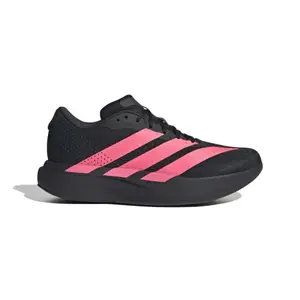


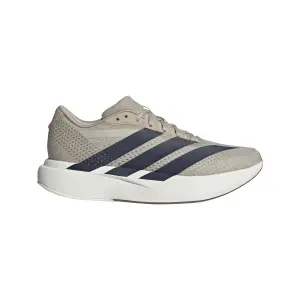
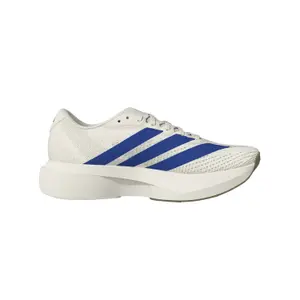

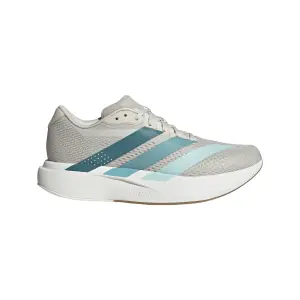


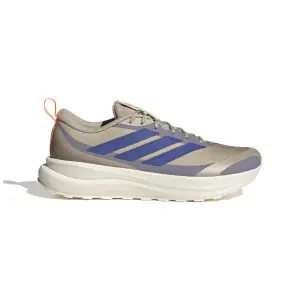


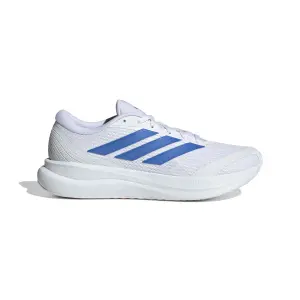

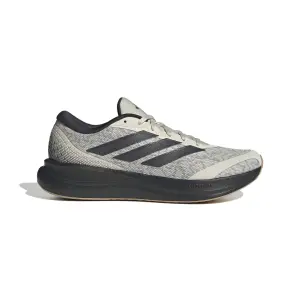

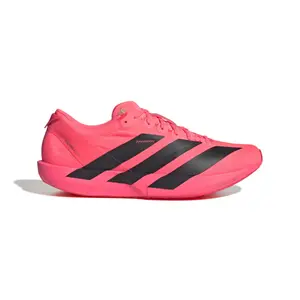
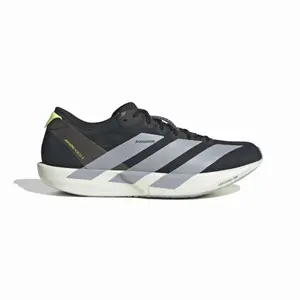
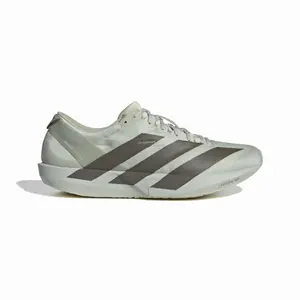

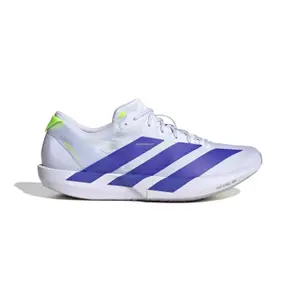


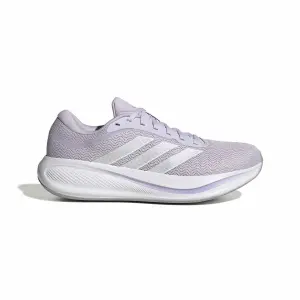


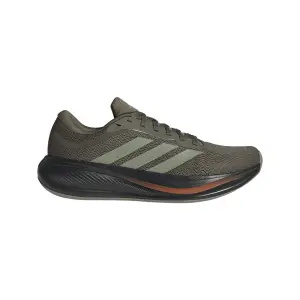

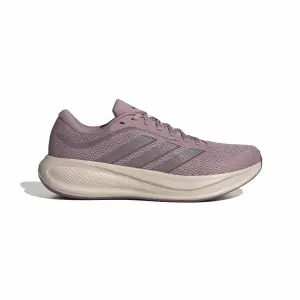

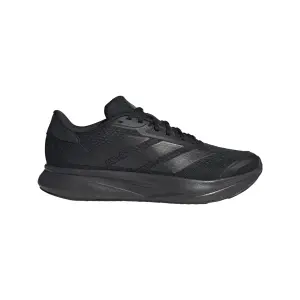
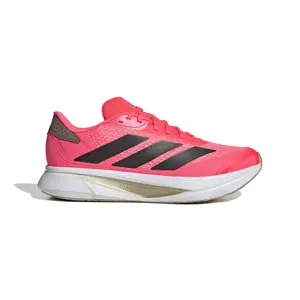


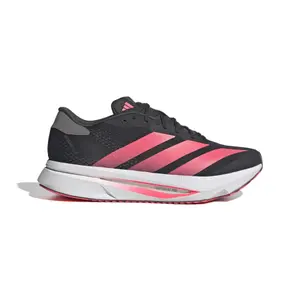


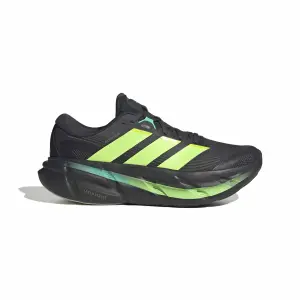

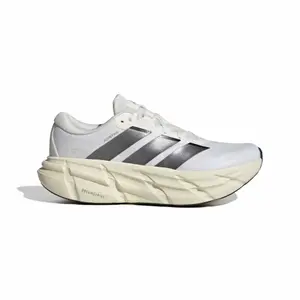
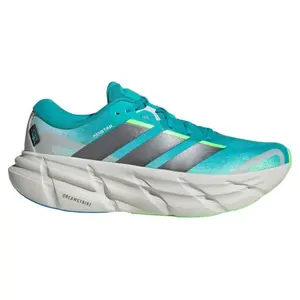
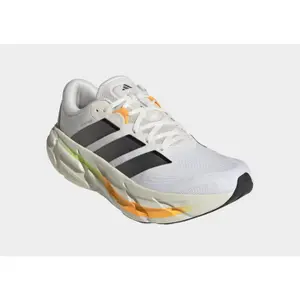
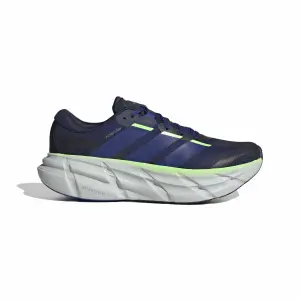
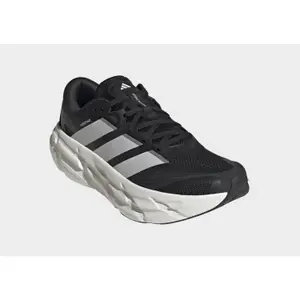
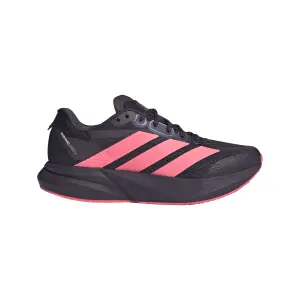


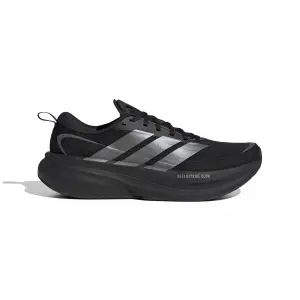
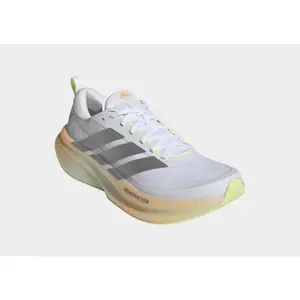
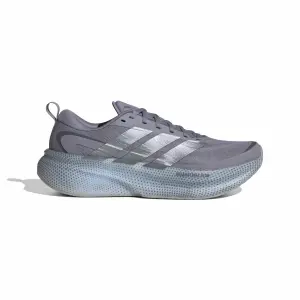
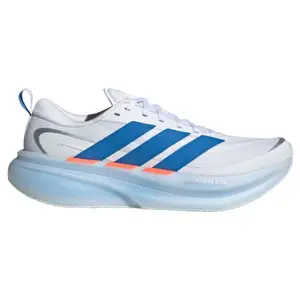
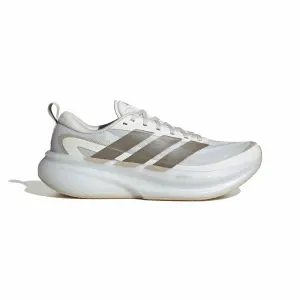

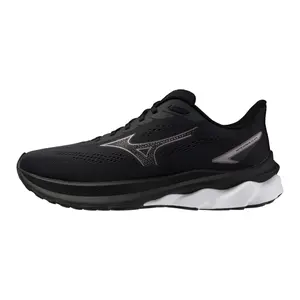
The selection of men's running shoes for the French Days brings together models for every type of runner: adidas Hyperboost and Nike Vomero for long run cushioning, Adizero Adios Pro and Puma Deviate Nitro for competition, Runfalcon and Duramo for beginners. Each pair stands out for its cushioning, drop, and weight.
A pair suited to your stride, at a discounted price.
What cushioning depending on distance and build
The cushioning is chosen based on the distance covered and the weight of the runner. Highly cushioned models, such as the adidas Hyperboost, which features thick foam following the brand's historic Boost, or the Nike Vomero, which combines two stacked foams, protect joints during long runs and are suitable for heavier runners. Lighter models without a plate, like the adidas Adizero Evo SL with its Lightstrike Pro foam, are perfect for intervals and quick paces while remaining comfortable enough for training. For beginners or those running twice a week, the adidas Runfalcon or the Duramo provide simple and versatile cushioning, sufficient for runs of five to ten kilometres.
The rest of the gear
The French Days running also includes:
- Women's Shoes.
- Men's Clothing, t-shirts, tank tops, and jackets.
- Women's Clothing.
- Juniors.
- Equipment, watches, belts, and insoles.
All the offers are gathered on the running page.
Carbon plate shoes: for whom, for when
Competition shoes combine a highly responsive foam with a rigid element that aids foot movement. The adidas Adizero Adios Pro incorporates carbon reinforced upper rods, the EnergyRods, into its Lightstrike Pro foam; the Puma Deviate Nitro features a carbon plate called PWRPLATE within nitrogen-injected foam. These shoes can save precious seconds over 10K, half-marathon, and marathon distances, but they put more strain on the calves and Achilles tendons. They are reserved for races and a few fast sessions, while keeping a more stable training shoe for volume. A beginner won't gain much benefit from them.
Drop and stride
Measured in millimetres, the drop indicates the height difference between the heel and the forefoot of a shoe. A high drop, from eight to twelve millimetres, relieves the Achilles tendon and calves and supports a heel strike, the most common stride among amateur runners. A low drop, from zero to six millimetres, encourages a flat foot or forefoot landing but requires a gradual transition. Most versatile running shoes fall between six and ten millimetres. If changing drop, alternate between the old and new pair for a few weeks to give the calves and tendons time to adjust.
Sizing and wide feet: fitting your stride
In running, it's often recommended to choose half a size up from your everyday shoe size: the foot swells during exertion and shifts forward in the shoe downhill. You should have about a centimetre, the width of a thumb, between your big toe and the end of the shoe. Wide feet should look for brands with generous toe boxes, like Topo Athletic, whose shape allows toes to spread, or consider wide versions offered on certain models. For trails, the adidas Runfalcon ATR adds a more grippy sole that grips on dirt and gravel, while not being a true trail shoe for the mountains.
Frequently asked questions
Which running shoe for a 90-kilo runner?
A heavier runner should prioritise thick cushioning and a wide, stable base, such as the Nike Vomero or the adidas Hyperboost, which limit shock on the knees. Avoid very soft competition models and replace the pair as soon as the foam compresses.
How many kilometres does a running shoe last?
A training shoe typically lasts between 600 and 800 kilometres, depending on the runner’s weight, stride, and terrain. A very lightweight competition shoe wears out faster: it's best reserved for races to extend its lifespan.
What shoe for a first marathon?
For a first marathon, the priority is comfort over time: a cushioned and stable shoe, broken in during training, rather than a demanding competition model. Especially avoid wearing a brand new pair on race day.
Can you run on trails with road shoes?
On dry and rolling paths, yes. Once the terrain becomes muddy, stony, or steep, a real trail shoe with deep lugs and protective features offers grip and protection that road soles lack.
How to dry running shoes?
Remove the insole, loosen the laces, and stuff the shoe with newspaper, changing it after a few hours. Dry in the open air, away from radiators and tumble dryers, which can harden the foam and detach the sole.






