
Backpacks Eastpak for the new term


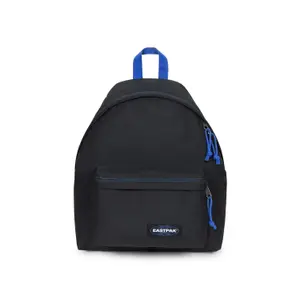


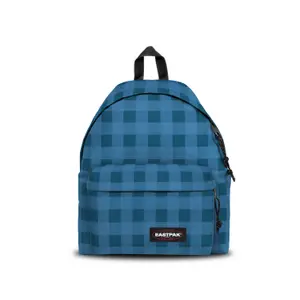

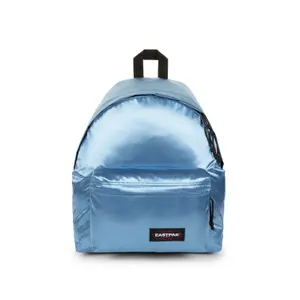
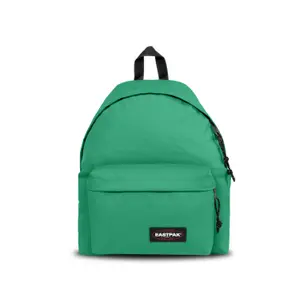
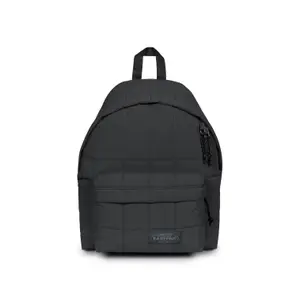
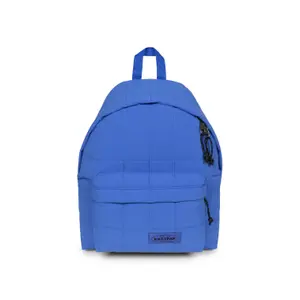


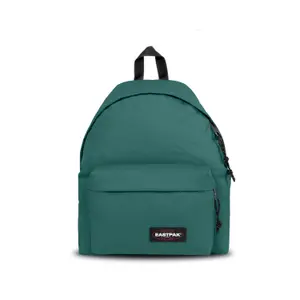


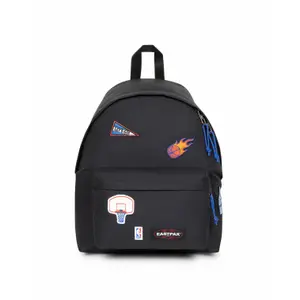


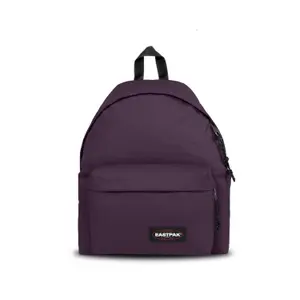

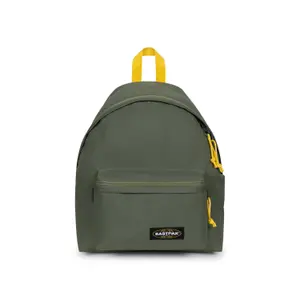


The Eastpak back-to-school selection features the brand's backpacks for primary school, secondary school, sixth form and further studies: Padded Pak'r with padded back, Day Pak'r with laptop sleeve, Out Of Office for better organization, Orbit for little ones, along with matching pencil cases. Sturdy bags, chosen for volume and comfort of carrying.
An sac Eastpak is chosen based on volume, organization, and comfort of carrying.
A bag designed for the American army
Eastpak was founded in 1952 in Massachusetts under the name of Eastern Canvas Products, making bags and equipment for the American army. In 1976, the arrival of Mark Goldman shifted the company towards the general public, and the first line of bags was presented the following year at a sportswear fair in Chicago. This origin explains the brand's reputation: a thick fabric and sturdy closures, made to withstand years of wear, lockers, and school transport.
The Padded Pak'r, with its padded back and straps, has become one of the most popular bags among students over the decades, available in a variety of colours, from simple solid colours to glittery versions.
Which Eastpak from primary to secondary school
The right volume depends on the class. In primary school, a bag of about ten litres is enough for a notebook, a pencil case, and a snack: the Orbit, a smaller version of the Padded Pak'r, suits younger children without overloading them. In secondary school, larger binders and textbooks require more space: the Padded Pak'r and its twenty-four litres hold a day's worth of items, and its twenty-seven-litre version takes over for the busiest schedules.
In secondary school and higher education, a laptop is added to the bag: the Day Pak'r maintains twenty-four litres and adds a padded sleeve for a fourteen-inch laptop, and the Out Of Office goes up to twenty-seven litres with a more advanced internal organisation.
Adjusting the straps and distributing the load
The comfort of a bag relies on both its adjustment and the chosen model. Both straps should be tightened until the bag is secured against the back, with the bottom reaching waist level and never resting on the hips. When worn on one shoulder, it shifts all the weight to one side and strains the back within a few weeks.
Inside, heavy items like books and a laptop should be placed against the back, with lighter items towards the outside. The common recommendation is not to exceed about one tenth of the child's weight: preparing the bag each evening according to the next day’s schedule is the best way to lighten the load and avoid carrying unnecessary books.
Other bag brands
The other brands in the selection include: Herschel, Sandqvist, Rains, adidas Originals, Reebok, Urban Classics. The complete list is available on the backpack page, as part of the back-to-school operation.
Pencil cases, maintenance and lifespan
The pencil cases Eastpak, like the Benchmark, complement the bag in the same colours and are designed to lie flat in the main pocket, so they don’t crumple notebooks. Matching the bag and pencil case also helps younger students recognise their belongings among the class's items.
For maintenance, the fabric can be cleaned with warm soapy water using a soft brush or sponge, without harsh detergents; the bag should then be dried open, in the air, away from a radiator that could damage the interior coating. By emptying it of crumbs and old papers during every holiday period, it retains its shape and freshness much longer, often from secondary school through further education.
Frequently Asked Questions
Which Eastpak for starting Year 7?
The transition to secondary school increases the number of textbooks and binders: a bag of twenty-four litres like the Padded Pak'r, with a large main pocket and a front pocket, accommodates a day of classes. Check that a large binder fits flat inside.
Which bag for a Year 5 or Year 6 student?
At the end of primary school, belongings remain light but large notebooks become standard: a bag of around twenty litres provides enough room without being too tall for the back. For a smaller child, the Orbit is better proportioned.
Does the Day Pak'r really protect a laptop?
Its padded sleeve, positioned against the back, absorbs the daily bumps for a laptop up to fourteen inches. It doesn’t replace a hard case: avoid dropping the bag on the floor and do not wedge the charger against the screen.
How to remove an ink stain from an Eastpak bag?
Act quickly: dab the stain with a cloth soaked in rubbing alcohol or diluted Marseille soap, without scrubbing to avoid spreading it, then rinse with clear water. Test first on a hidden area to ensure the colour holds.
Which colour bag to choose for several years?
Dark shades like black, navy, or grey conceal marks from wear and transport better and remain stylish longer than a trendy print. A bright or glittery colour is a good choice for younger children, making them easy to spot on the coat rack.






