
Parkas and puffer jackets for men

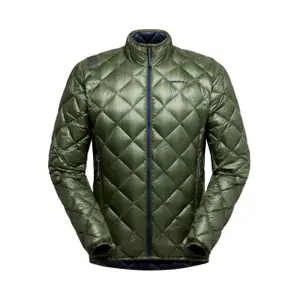
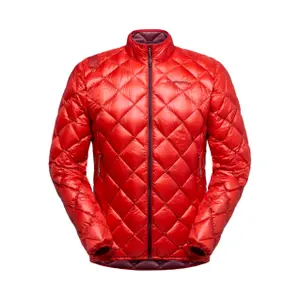


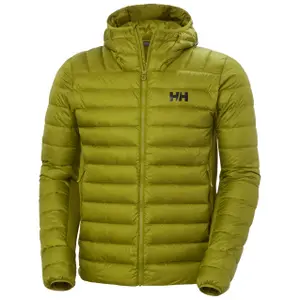


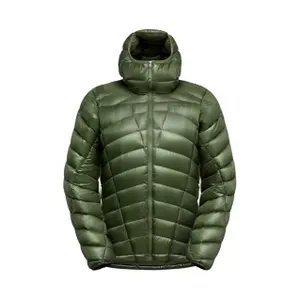
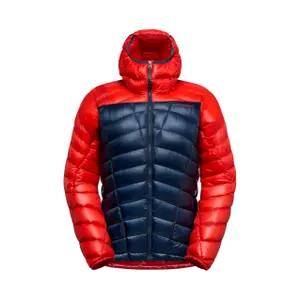


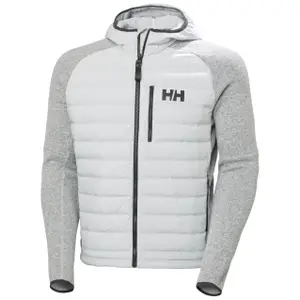
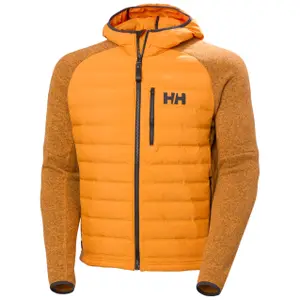
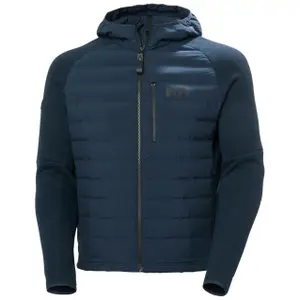
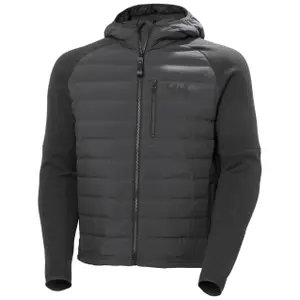
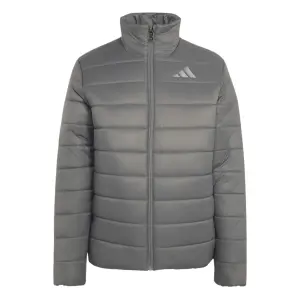
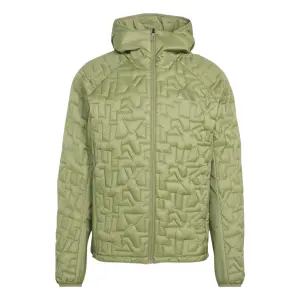
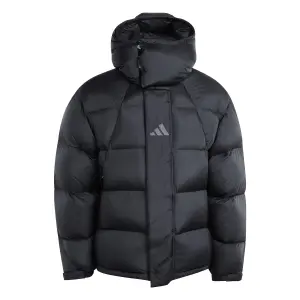
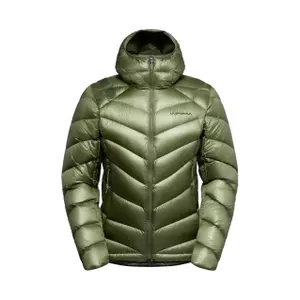


Men's parkas and down jackets bring together insulating jackets for hiking and mountain activities: down from Rab or Cotopaxi, synthetic insulation from Patagonia or Mammut, lightweight down jackets and vests from Peak Mountain, and long parkas for the cold of winter. From the layer slipped under a rain jacket to the coat for high-altitude breaks, each model serves a specific purpose.
A down jacket is chosen based on its insulation, construction, and intended use, not just its thickness.
Duvet: reading the cuin, the ratio and RDS certification
The duvet remains the warmest insulation for its weight, and its quality is measured in cuin, or cubic inches per ounce: the volume that one ounce of down occupies when fully lofted. A 700 cuin, like that of the Rab Microlight Alpine, lofts more and insulates better than ordinary down; the Rab Electron Pro goes up to 800 cuin for colder temperatures. The ratio, such as 90/10, indicates the proportion of down compared to small feathers, which are heavier and less insulating.
The RDS certification, for Responsible Down Standard, guarantees that the down comes from birds treated with respect for animal welfare, without live plucking or force-feeding. Rab adds a Nikwax water-repellent treatment to its down, which helps maintain its loft in damp conditions.
Synthetic and hybrid insulation: warmth despite humidity
Synthetic insulations mimic the structure of down with fine fibers that trap air, and retain most of their warmth when wet. The Nano range from Patagonia is a good example: the Nano Puff combines a 60 grams per square meter PrimaLoft Gold fill, compressible and water-repellent, with a ripstop recycled polyester fabric. A little heavier than down for the same warmth, these insulations dry quickly and accommodate sweating during a sustained climb.
Hybrid constructions place insulation on the chest and back, with stretchier, more breathable panels under the arms and on the sides, where you sweat the most. They are worn while walking, when a classic down jacket would quickly lead to overheating.
Lightweight jacket, sleeveless or parka: the right format
The format depends on when you wear the jacket. The lightweight jackets from Peak Mountain, with or without a hood, can be compressed at the bottom of a sac and serve as a mid-layer under a waterproof jacket or as a light jacket during breaks. The sleeveless versions, like the Regatta Aldthorn, keep the torso warm while leaving the arms free for pole usage.
In the mountains, a helmet-compatible hood, like that of the Rab Electron Pro, adjusts over the helmet. The parka, longer in length, covers the upper thighs for static cold and city wear: the Lyle & Scott Fishtail takes inspiration from the fishtail cut of the US military parkas of the 1950s, adopted by British mods the following decade.
Washing, drying and storing your down jacket
A down jacket is rarely washed, but when it is, it should be done properly. In down, it goes in the washing machine on a delicate cycle at low temperature with a special down detergent, no fabric softener, then dries in the tumble dryer on low heat with two or three tennis balls, which fluff it up and restore its loft; it often takes several cycles for complete drying. A synthétique jacket can handle a gentle regular detergent and dries much faster.
Between outings, it should be stored hung up or flat, never compressed in its bag for months, which crushes the insulation permanently. A water-repellent spray treatment restores the outer fabric's ability to bead fine rain.
The rest of men's textile
The men's textile continues with:
- Windbreakers and jackets, waterproof to wear over.
- Sweatshirts and jumpers, fleeces and mid-layers.
- T-shirts and vests, technical.
- Base layers.
- Trousers and tights, including convertible models.
- Shorts, for summer.
- Socks and ankle socks, for walking.
- Shirts, breathable.
All are gathered on the men's textile page.
Good deals and new arrivals
The new arrivals showcase the latest collections, promotions display discounted items, and clearance offers end-of-line products. Items shipped in 24h are prepared and dispatched within that timeframe. The Black Friday, the end-of-year holidays, winter sales, and the French Days mark the year.
Frequently asked questions
What down jacket for a trek at altitude?
A high-loft down, around 800 cuin, with a hood, offers the best balance between warmth and weight for camping and breaks at altitude. Make sure it is roomy enough to wear over a fleece, and pair it with a waterproof jacket.
How to choose the size of a down jacket?
It should zip up without compressing the insulation when worn over a base layer and a fleece; otherwise, it will lose warmth. With arms outstretched, the sleeves cover the wrists, and the hem protects the lower back when bending over with a sac on.
Is a down jacket waterproof?
No, its outer fabric is usually water-repellent: it beads light rain but lets water in under prolonged downpours. In rainy weather, the down jacket should be worn under a waterproof jacket, which protects the insulation and preserves its warmth.
Why does a down jacket lose feathers?
Small down barbs can pass through the fabric or seams, particularly during the first few uses. It’s better to push them back inside rather than pull them, as this enlarges the opening; a tightly woven fabric significantly limits this issue.
Down jacket or fleece under a rain jacket?
The down jacket provides more insulation for a volume reduction and is suitable for breaks and dry cold. The fleece breathes better during exertion and remains warm when damp: many hikers wear a fleece and put on the down jacket as soon as they stop.






