
Men's Sweatshirts and Hiking Jumpers

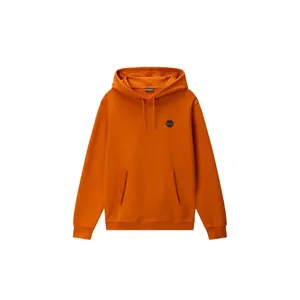
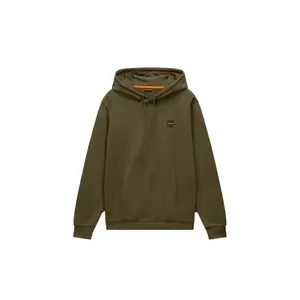


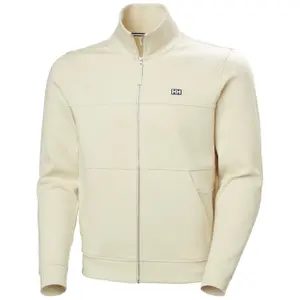


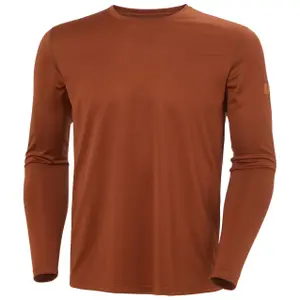

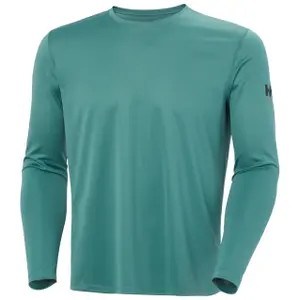

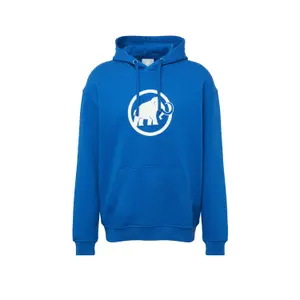


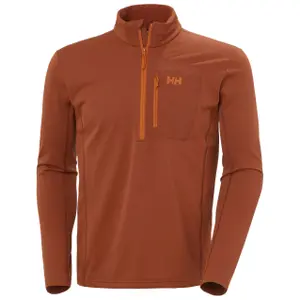
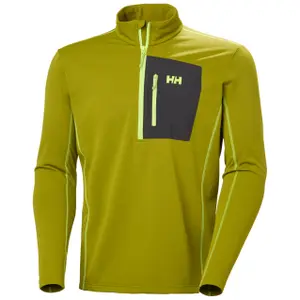


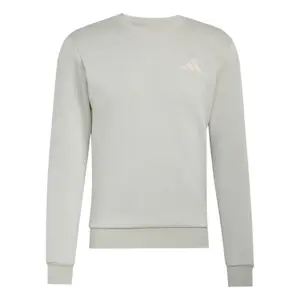


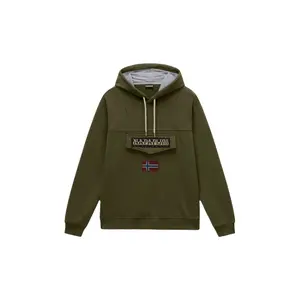


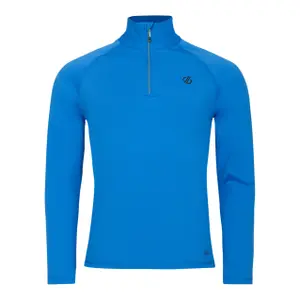


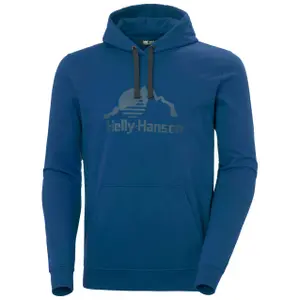


The men's hiking sweatshirts and jumpers page brings together the mid-layers for walkers: fleece jackets, technical hooded sweatshirts, and zip-neck base layers, from Rab, Mammut, VAUDE, Montane, Berghaus, LundHags, Maier Sports or Dare 2B. These pieces keep you warm during breaks without making you sweat on the climbs, from mild mountain trails to multi-day treks.
The mid-layer, which keeps you warm without overheating.
Brushed fleece, grid fleece: breathe on the ascent
The fleece was born in 1979 in Massachusetts, at the textile manufacturer Malden Mills, which would become Polartec, with the idea of mimicking wool in lighter, drier synthetic fibers. Technical models have since become more refined. The brushed fleece of medium weight, like the Rab Capacitor, combines a warm fabric with stretchy side panels that move with you. The grid fleece alternates small squares of fluffy fibres that trap warm air, and thinner channels through which steam escapes. As for the Rab Tecton, a soft, lightweight half-zip fleece, it can be worn all year round as a mid-layer.
Zip-neck base layer and stretchy technical sweatshirt
The zip-neck base layer fits close to the body, over a thin first layer. The Maier Sports Granni and the Protest Rewill, with a quarter zip, open at the neck when the temperature rises on the slope, and zip back up at the top to protect the neck from the wind. The VAUDE Livigno, with a half-zip, follows the same logic. The stretchy technical sweatshirts, like the Dare 2B Fuse Up, rely on an elastic knit that moves with big strides, arm movements with poles, and carrying the bag without straining the shoulders. These are versatile layers, just as comfortable on a trail as at the lodge in the evening.
Hood, zip and care
An adjustable hood, like on the Rab Nexus or Mammut Base, can be worn under a climbing helmet or the jacket hood and protects the nape of the neck from the wind. A half-length or full zip allows you to regulate the temperature without removing the garment. A fleece can be washed at 30 degrees, without fabric softener that crushes the fibers, and dries in a few hours. The rest of the textiles can be found in the parkas and down jackets, windbreakers and jackets, t-shirts, tops, trousers, shorts, socks, shirts.
Where to place fleece in the three-layer system
When hiking, we think in three layers. The first, next to the skin, wicks away sweat; the second, the sweatshirt or fleece, retains heat; the third, the jacket, stops the wind and rain. So, the technical pullover is chosen based on the intensity of the effort: thin and breathable for active walking, thicker for breaks, evenings at the lodge, or camping. Removing a layer before you get too warm, at the foot of a climb, avoids soaking your clothes and getting cold during the next break. Keeping a dry sweater at the bottom of the bag for arrival is a simple rule that changes the end of the day.
Good deals and new arrivals
The new arrivals showcase the latest collections, the promotions feature discounted items, and the clearance includes end-of-line products. Items shipped in 24h are prepared and dispatched within 24 hours.
Frequently asked questions
What fleece weight is good for hiking?
Thin fleeces, around one hundred grams per square metre, serve as an active layer during walking. At around two hundred grams, they become versatile, and beyond three hundred grams, they're reserved for breaks and extreme cold.
How can I prevent fleece from pilling?
Wash it inside out, at thirty degrees, with the zip closed and without fabric softener, then let it air dry. The repeated friction from backpack straps can also accelerate pilling, which is why a smoother layer on top is beneficial for long hikes.
Is merino wool a good alternative for a base layer?
Yes, merino regulates temperature well and limits odours even after several days of hiking, a real advantage on treks. It dries slower than synthetic materials but remains warm even when wet, and should be washed in cold water with suitable detergent.
Can a fleece replace a jacket when hiking?
In dry, windless conditions, a thick fleece can serve as an outer layer. Once the wind picks up or it starts to rain, it allows air and water to pass through: a windproof or waterproof layer should always be kept in the bag.
What size of fleece should I choose?
Choose a fleece that is fitted enough to retain heat and fit under the jacket without creating folds, with just enough room for a thin first layer underneath. The sleeves should cover the wrists when the arms reach for the poles.






