
Men's Hiking T-shirts and Tank Tops


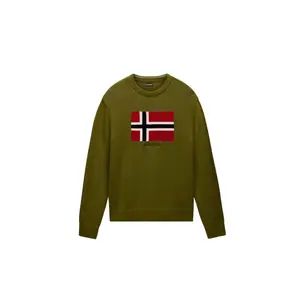


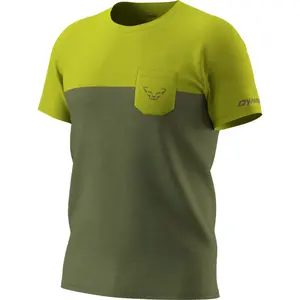
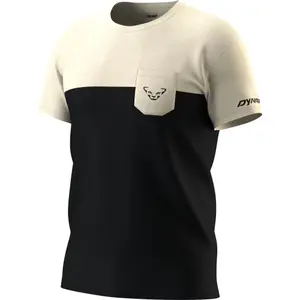
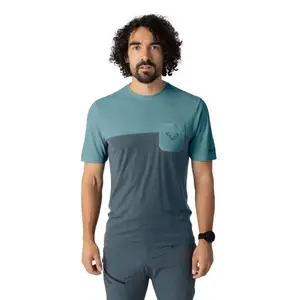
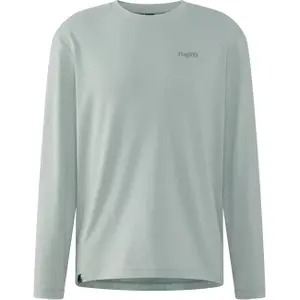
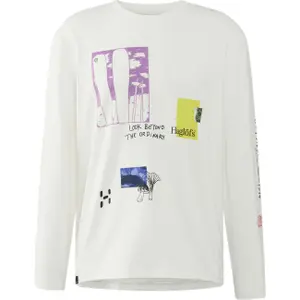
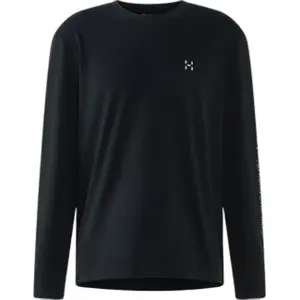
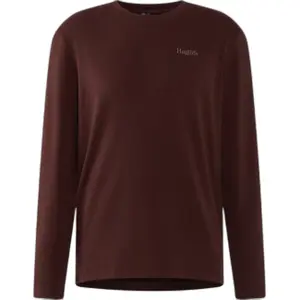

The Men's Hiking T-Shirts and Tank Tops page brings together synthetic technical t-shirts, merino wool t-shirts, long-sleeve UV protection models, and windproof t-shirts, from adidas Terrex, Smartwool, Mammut, Salewa, Haglöfs, Regatta, Preston, or Dare 2B. Tops selected based on the duration of the hike, altitude, and weather.
The base layer, which touches the skin and manages perspiration.
Merino, blend or synthetic: which fibre
Merino wool, with its very fine, non-itchy fibres, regulates temperature, stays warm even when wet, and naturally limits odours. Smartwool, founded in 1994 in Steamboat Springs, Colorado, by two ski instructors, Peter and Patty Duke, has made this its specialty with the Active line. The Mammut Tree Wool combines merino with a lyocell fibre derived from wood pulp, which is softer and cooler to the touch.
The synthetic option, like in the adidas Terrex Climacool or the Dare 2B Tech, dries faster and is more abrasion-resistant on straps, a plus for warm and vigorous outings.
UV-protective t-shirt and windbreaker t-shirt for altitude
In the mountains, exposure to ultraviolet rays increases with altitude and reflection from rock or snow. A t-shirt with solar protection shows its UPF rating: a rating of forty, like on the Preston Performance Sun long-sleeve, only lets about one-fortieth of UV rays through, protecting arms and shoulders without sunscreen. The windbreaker t-shirt, like the Salewa Pedroc Dry'Ton, adds a protective panel on the front of the torso, useful on a ridge exposed to gusts. Salewa, born in Munich in 1935 and since based in Bolzano in the Dolomites, designs its tops for fast hiking.
Base layers and vests
In cold weather, a long-sleeved, zip-neck base layer, like the one from Peak Mountain, is worn close to the body under a fleece and opens at the neck during climbs. The vest, like the Icepeak Brownfield, is suitable for warm days. A technical t-shirt can be washed at 30 degrees without fabric softener, and the merino at low temperature, on a wool cycle. The rest of the textile can be found on the parkas and down jackets, windbreakers and jackets, sweatshirts and fleeces, t-shirts, trousers, shorts, socks, shirts.
Which t-shirt for the outing and the season
For a day hike in summer, a light synthetic t-shirt, like the Regatta Fingal, is sufficient: it dries during the lunch break. On a multi-day trek, merino can be worn longer without washing and lightens the bag. In high mountains, a long-sleeved base layer protects both from the morning cold and the midday sun.
The vest is reserved for warm days at low altitude and outings with a light bag, as its straps rub directly on the skin of the shoulders as the load increases.
Good deals and new arrivals
The new arrivals showcase the latest collections, the promotions highlight discounted items, and the clearance features end-of-line products. The items shipped within 24 hours are prepared and dispatched in 24 hours.
Frequently asked questions
Does a merino t-shirt keep you warm in summer?
Fine merino regulates temperature: it insulates when the air cools and remains breathable when it’s hot. In summer, a lightweight fabric can be worn without overheating and maintains its odour-fighting qualities over several days.
Why avoid cotton when hiking?
Cotton absorbs sweat, dries slowly, and cools the body as soon as you stop or the wind picks up. A synthetic or merino fabric wicks moisture away and keeps the skin dry during walks.
How to limit odours from a synthetic t-shirt?
Wash it after each outing, at thirty degrees without fabric softener, which locks odours in the fibres. Some models receive an antibacterial treatment, but for several days without washing, merino remains more effective.
What weight to choose for a merino t-shirt?
At around one hundred and fifty grams per square metre, merino stays lightweight and suitable for summer and exercise. Beyond two hundred grams, it becomes a proper warm layer for autumn, winter, or high mountains.
How to wash a merino t-shirt?
In the machine on a wool programme, at thirty degrees maximum, with a gentle detergent without fabric softener. Dry it flat and in the shade: the heat from the tumble dryer felts the wool and causes it to shrink.






