
MTB Grips and Bar Ends
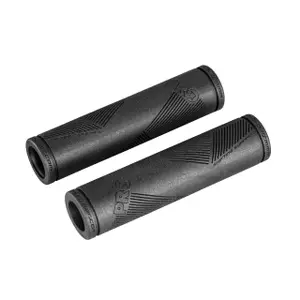
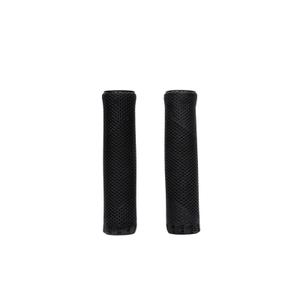
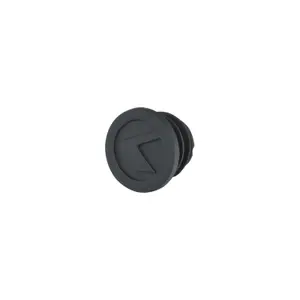
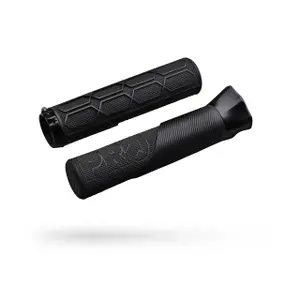
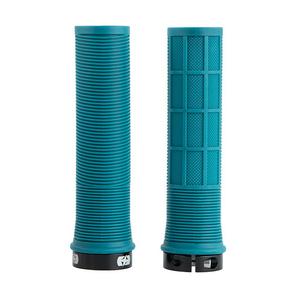
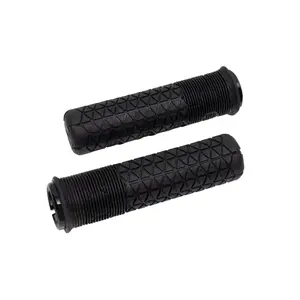
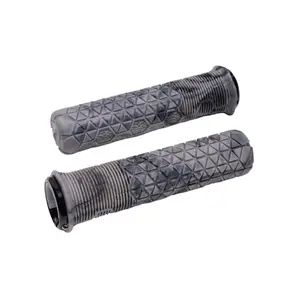
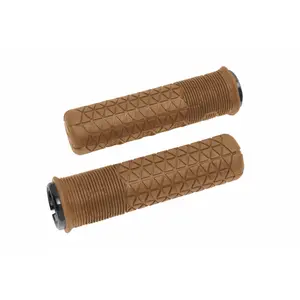
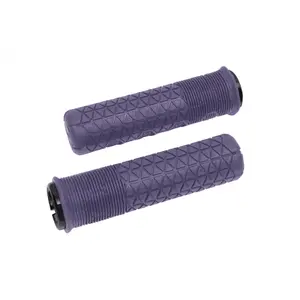
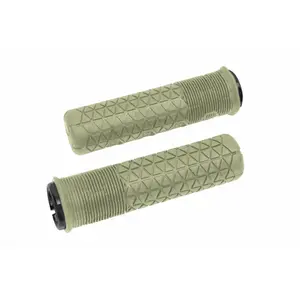
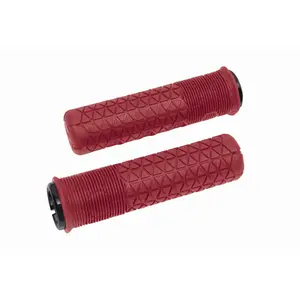
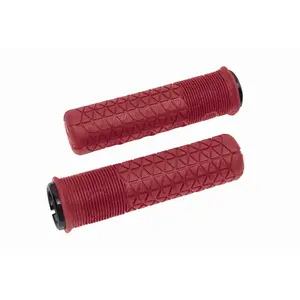
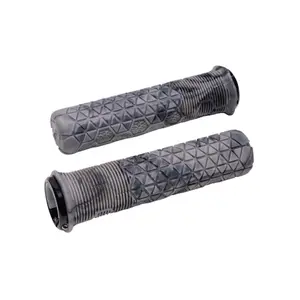
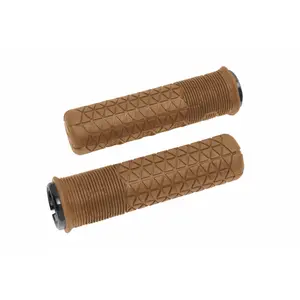
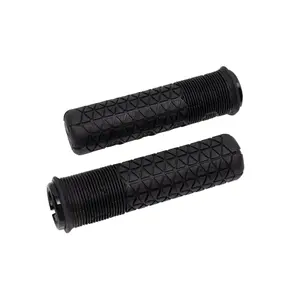
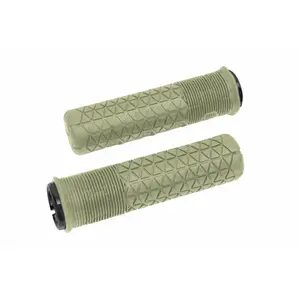
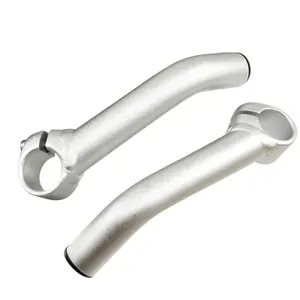
Our Grips and Bar Ends page brings together our tips for equipping your mountain bike handlebars: screw-on or slip-on grips, diameter and rubber, ergonomic grips with palm support, handlebar horns, or bar ends, to change positions and gain comfort on long rides.
The control of the mountain bike rests in your hands.
Getting a Grip
Grips are the point of constant contact between your hands and the mountain bike. Their diameter, typically between thirty to thirty-four millimeters, is chosen based on the size of your hands: a grip that's too thin requires you to squeeze harder and can tire your forearms, while a grip that's too thick reduces the feel. The rubber, soft for grip and firmer for durability, along with the surface pattern, complete the choice.
Components
Mountain bike components are also available in:
All components are gathered on the peripheral components page.
Screw-on or Ergonomic
Screw-on grips, or lock-on grips, held by collars, never rotate on the handlebars, even in the rain or mud: they have become the standard in mountain biking. Ergonomic grips, featuring a flat support for the palm, distribute pressure and relieve the nerve in the wrist, ideal for long hours in the saddle during hiking and e-mountain biking.
Handlebar Ends
Bar ends, or horns, attached to the ends of the handlebars, offer an additional hand position, which is more stretched out, appreciated on climbs for pulling on the handlebars and over long distances to rest the wrists. Some ergonomic grips incorporate a small horn. They are not recommended for technical descents, where they may get caught on trees. They are fixed to a compatible handlebar.
Good Deals
Great bargains can also be found in good deals, promotions, clearance, sales, and Black Friday. The new arrivals feature the latest collections, and items shipped in 24h are prepared and sent within 24 hours. The highlights of the year follow a steady order: Black Friday at the end of autumn, the year-end holidays, winter sales, French Days in spring, followed by summer sales and back-to-school.
Frequently Asked Questions
What diameter grip should I choose for my mountain bike?
It depends on the size of your hands: a thin grip, around thirty millimeters, for small hands, and a thick grip, up to thirty-four millimeters, for larger hands. A suitable diameter helps avoid straining your forearms.
How to remove glued mountain bike grips?
Slip a thin screwdriver under the grip and inject a bit of soapy water or compressed air to loosen it, then twist while pulling. Screw-on grips can be simply removed by loosening their collars.
How to install grips so they don't turn?
For slide-on grips, clean the handlebars, then slide them on with a bit of alcohol or hairspray, which dries and locks them in place. Screw-on grips, held by one or two collars, never turn and are easy to take off.
Are bar ends still useful?
Yes, for hiking and long rides: they offer an additional, more forward position that relieves the wrists and helps you ride upright on climbs. However, on a wide enduro handlebar, they may catch on vegetation.
What rubber grip should I choose for mountain biking?
A soft rubber provides better grip and absorbs vibrations, but wears out faster. A firmer rubber lasts longer and is suitable for frequent rides. The surface pattern adds to the grip, especially without gloves.






