
MTB stems, from cross-country to enduro
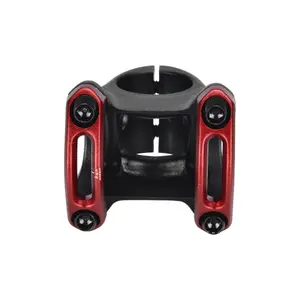
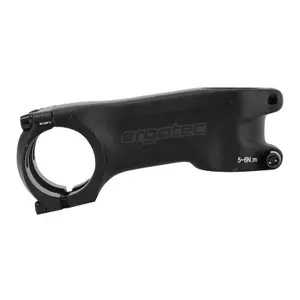
Starting at £49.54
£46.81
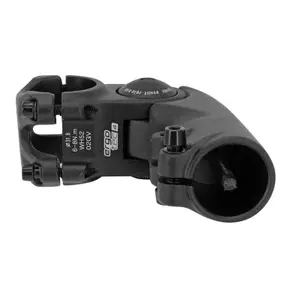
Starting at £41.96
£37.58
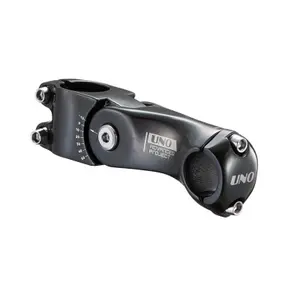
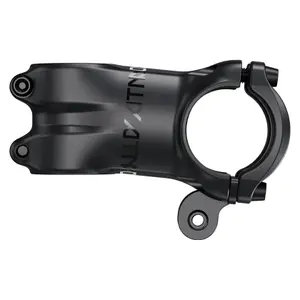
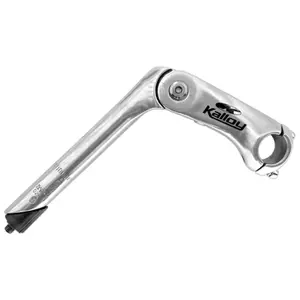
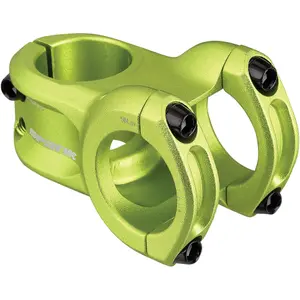
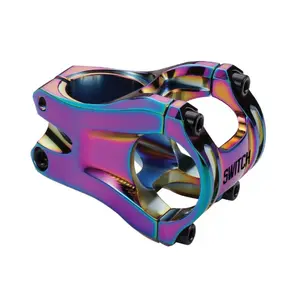
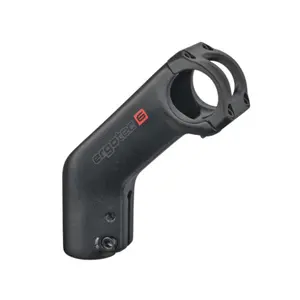
Starting at £48.71
£46.11
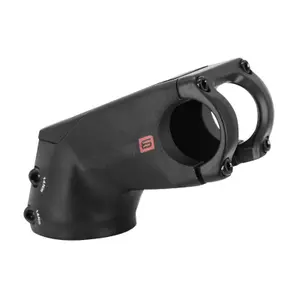
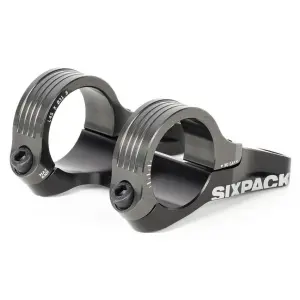
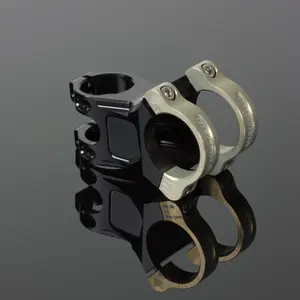
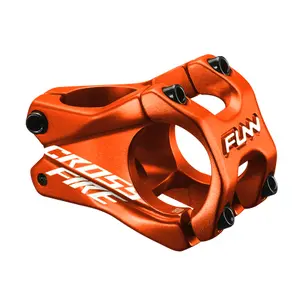
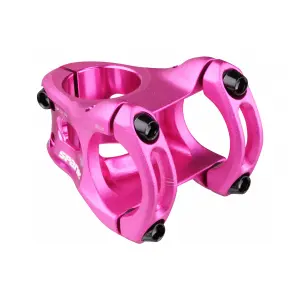
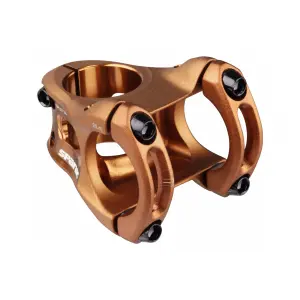
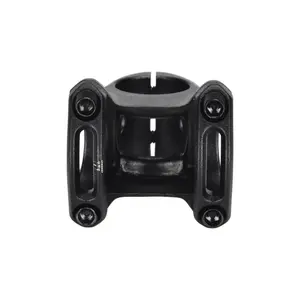
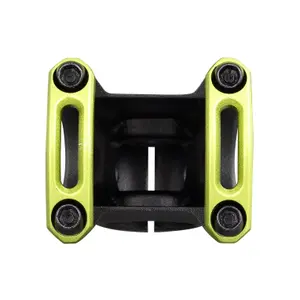
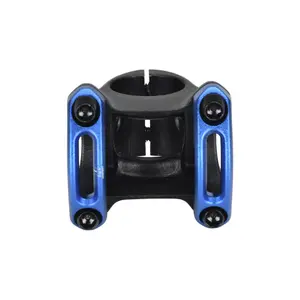
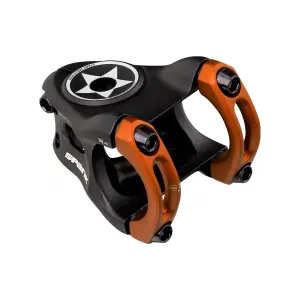
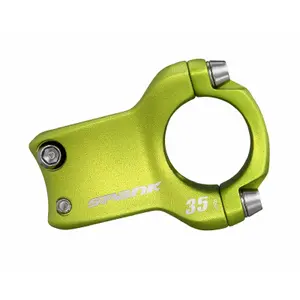
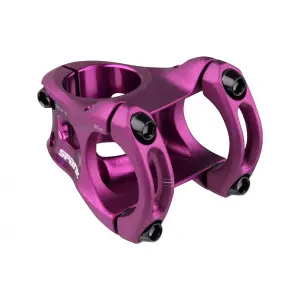
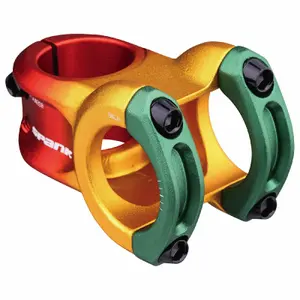
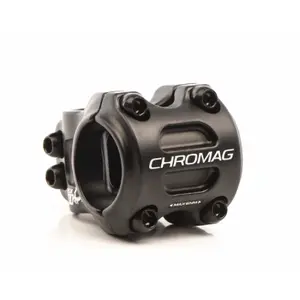
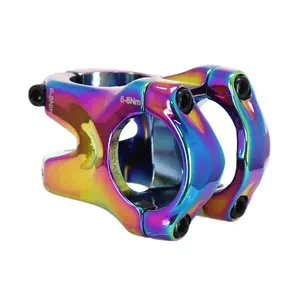
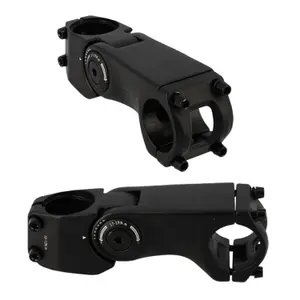
Our selection of MTB Stems brings together short stems like the Chromag Hifi and Spank Spoon for enduro and downhill, the Contec Brut, Forge, and Sedona, the Ergotec Hake level six, the Title, the V Bike, and the Uno Ahead, along with our advice on length, angle, handlebar diameter, and mounting on the fork steerer.
Riding starts at the cockpit.
Stem Length and Riding Style
The length of the stem affects the responsiveness of the steering and the rider's position. In enduro and downhill, the trend is towards very short stems, ranging from thirty-five to fifty millimetres, like the Chromag Hifi or the Spank Spoon: the handlebars are moved back towards the rider, the steering reacts to the slightest movement, and the weight is positioned above the centre of the bike. These stems accompany modern frames, which are longer between the bottom bracket and the headset. In cross-country, a stem of seventy to one hundred millimetres stretches the torso and loads the front wheel, keeping it on the ground during steep climbs. A ten millimetre difference is clearly felt in the riding.
The Other Components
Mountain bike components also come in:
All components are gathered on the peripheral components page.
Angle, Height and Spacers
The angle of a stem, expressed in degrees, raises or lowers the handlebars. The Chromag Hifi, at zero degrees, keeps a low cockpit to load the front in enduro; the Contec Brut, at seventeen degrees, mounted upside down, significantly lowers the riding position for cross-country, while turned around, raises the position again. The height can also be adjusted with the spacers placed under or over the stem, around the steerer tube. Removing them lowers the handlebars; replacing them on top allows you to go back as long as the steerer hasn’t been cut. The clamping height of the stem on the steerer varies from model to model and is important in this calculation.
Handlebar Diameter and Clamping on the Steerer
Two diameters must match. That of the steerer tube, one inch and an eighth on almost all mountain bikes, and that of the handlebar: thirty-one point eight millimetres, as seen on the Spank Spoon in our selection, or thirty-five millimetres, which is stiffer, on many enduro cockpits. A reducing sleeve between handlebar and stem should be avoided in mountain biking. During installation, the cap screws are tightened progressively and in a cross pattern, to the indicated torque, with equal spacing at the top and bottom; the clamping on the steerer comes after adjusting the headset. A stem marked by a fall or cracked should be replaced without delay.
Good Deals
Good deals can also be found in the good deals, promotions, clearance, sales, Black Friday. The new arrivals showcase the latest collections, and items shipped in 24h are prepared and dispatched within 24 hours. The key events of the year follow a stable order: Black Friday in late autumn, the end-of-year holidays, the winter sales, the French Days in spring, then the summer sales and back-to-school.
Frequently Asked Questions
How do I know if my mountain bike stem is too long?
A stem that is too long stretches the back, loads the hands and makes the bike clumsy in tight turns. Shoulder or wrist pain and a sensation of tipping forward downhill are often the first signs.
Should I shorten my stem when fitting a wider handlebar?
Often, yes: a wider handlebar spreads and slightly moves the hands forward, which lengthens the position. Shortening the stem by about ten millimetres helps to regain a balanced position while improving control.
What does the Ergotec level indicated on a stem mean?
Ergotec ranks its components on a robustness scale from one to six, specific to the brand, which specifies the total allowed load and possible uses. The Ergotec Hake, at level six, sits at the top of this scale.
Forged or machined aluminium stem: what’s the difference?
Forging compacts the material and produces robust parts at controlled cost. Machining from solid allows for thinner and lighter shapes, with precise finishes, often found on high-end enduro stems.
How do I align the stem with the front wheel?
Position yourself over the bike, with the wheel between your legs, and align the stem's axis with the front tyre before tightening the steerer screws. A misalignment, even slight, is felt immediately when riding with hands resting.






