
Velocity and agility scales
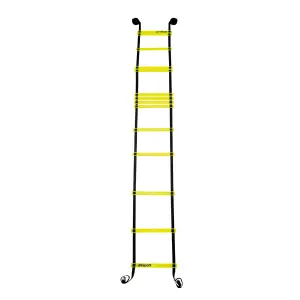

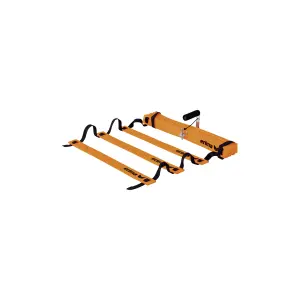
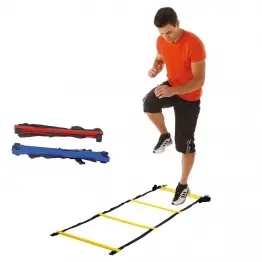
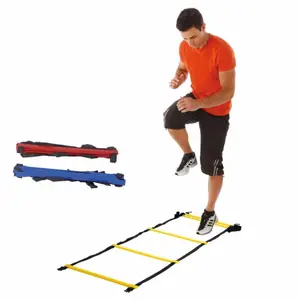
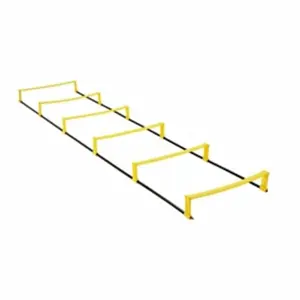
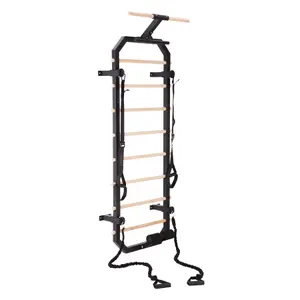
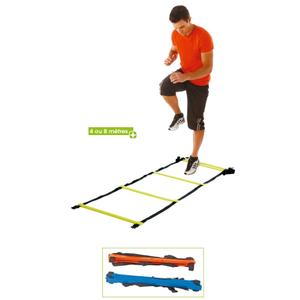
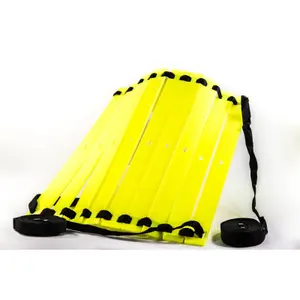
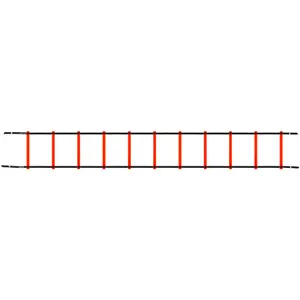
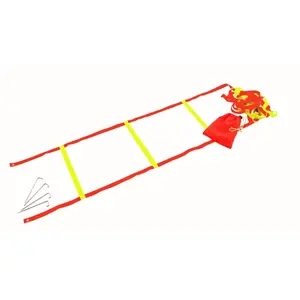
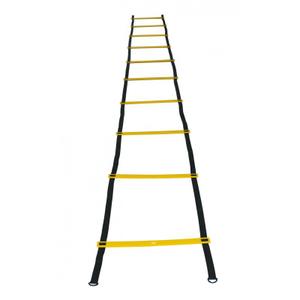
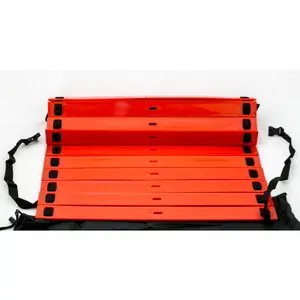
Our page Velocity Ladders brings together our advice on how to choose and use a rhythm ladder in physical preparation and cross-training: length, number and spacing of rungs, support patterns, place in the session and progression, to improve step frequency, coordination and agility.
Faster supports with every step.
What the speed ladder develops
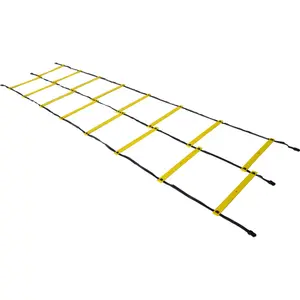
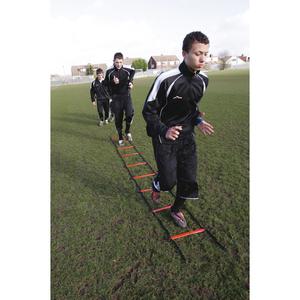
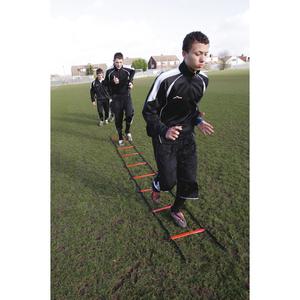
Laid on the ground, the speed ladder creates a line of squares for short, precise foot placements. It works on the frequency of steps, meaning the number of foot placements per second, coordination between arms and legs, balance, and proprioception, the awareness of body position that protects the ankles. The effort primarily engages the nervous system: it teaches the muscles to contract faster rather than getting stronger. In cross-training and circuits, it serves as an agility workshop between two strength blocks, and in fitness, it playfully wakes up the foot placements.
Physical preparation
Physical preparation also includes:
All the equipment is gathered on the physical preparation page.
From simple foot placements to combinations
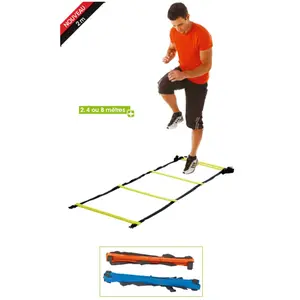
You start with the simple step, one foot in each square, then two feet per square, moving forward and sideways. Next come the in-out, two feet in then two feet out while moving one square forward, cross steps, jumps with both feet together, and single foot jumps, which also strengthen the ankles. The principle remains the same: master the pattern slowly, looking ahead and keeping arms active, before speeding up. A series lasts a few seconds, just enough to cross the ladder, and a complete recovery, by walking, helps maintain clear foot placements until the last repetition.
Rungs, length, and place in the session
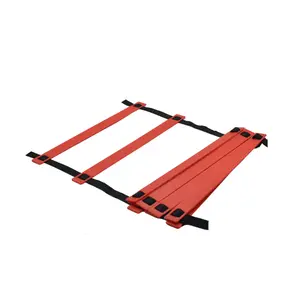
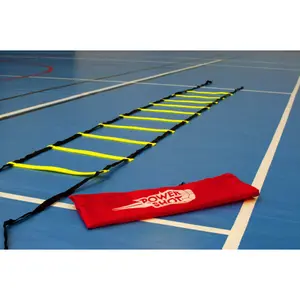
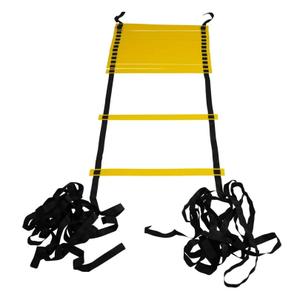
Common ladders measure four to eight metres, with squares around forty to fifty centimetres; connectable models can be joined end-to-end to create a longer course. Flat and flexible rungs won't trip you up if you walk on them, and sliding rungs allow you to shorten squares for speed work or lengthen them for longer strides. Place the ladder at the start of the session, right after the warm-up, when the body is still fresh: ten to fifteen minutes are sufficient before fatigue affects the precision of foot placements.
Good deals
Great deals can be found in the good deals, promotions, clearance sales, sales, and Black Friday. The new arrivals showcase the latest collections, and items shipped in 24 hours are prepared and dispatched within 24 hours. The key events of the year follow a stable order: Black Friday in late autumn, the end-of-year holidays, the winter sales, the French Days in spring, followed by the summer sales and back-to-school.
Frequently asked questions
What length of speed ladder should I choose for training at home?
Four metres, or about eight squares, is sufficient for a garden, yard, or garage. If training with others or wanting longer courses, choose a six-metre model or two connectable ladders.
Is a speed ladder suitable for beginners?
Yes, as the difficulty can be adjusted by the foot placement pattern and speed. A beginner starts by walking, one foot per square, and only speeds up when the movement becomes automatic; lateral movements come later.
Can a speed ladder be used on all types of surfaces?
It can be used on grass, synthetic ground, or gym flooring. On a smooth surface, check that it doesn't slip under your feet; on grass, stakes inserted at the ends keep it taut and in place.
How many times a week should I work with the ladder?
Two to three short sessions per week are enough to progress, ideally on non-consecutive days. Agility work primarily tires the nervous system: it's better to have brief and frequent sessions than one long session each week.
How do I store a speed ladder without tangling it?
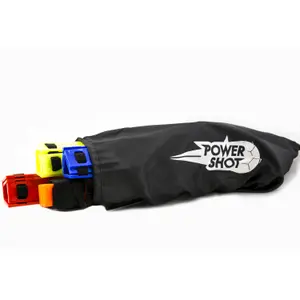
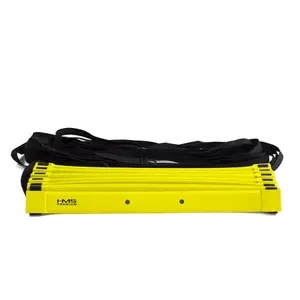
Fold it like an accordion, stacking the rungs one by one, then slide it into its bag. Storing it well dry prevents the straps from going mouldy, and careful folding avoids knots when you unfold it next time.






