
Native Protein, the whey from milk
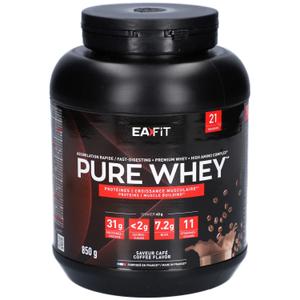
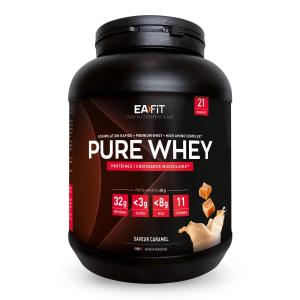
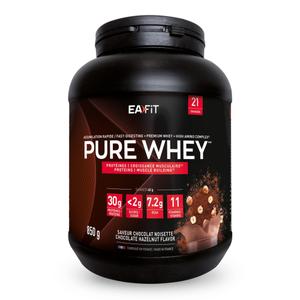
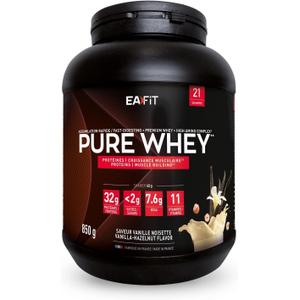
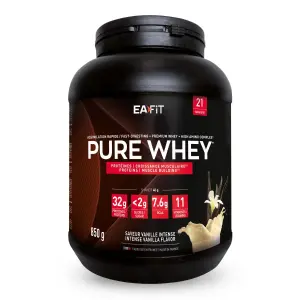
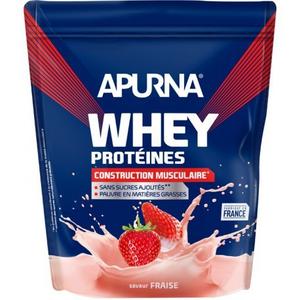
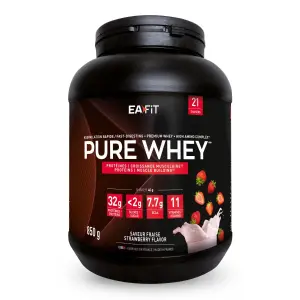
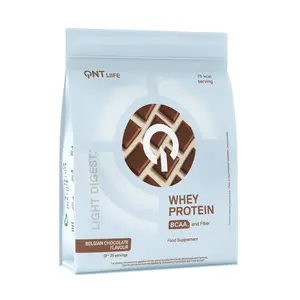
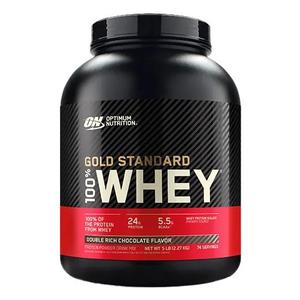
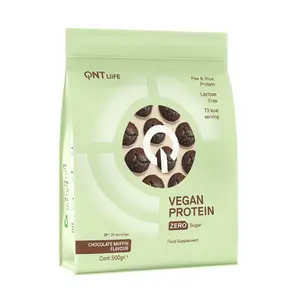
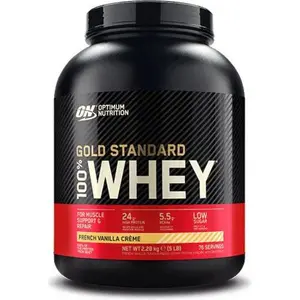


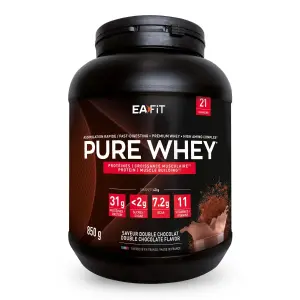
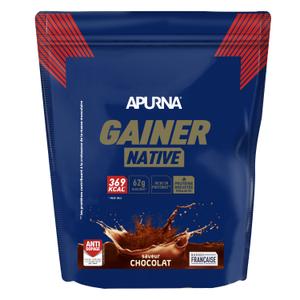
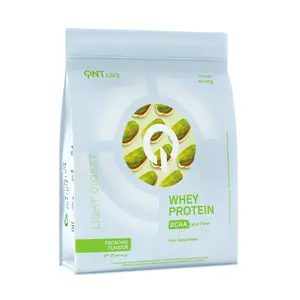

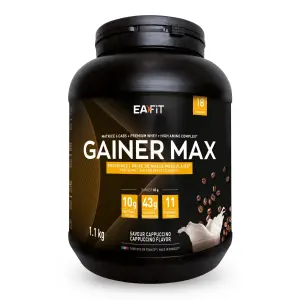
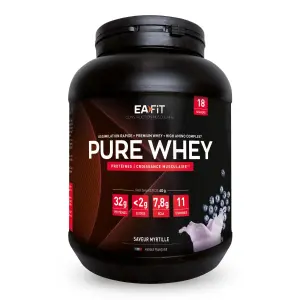
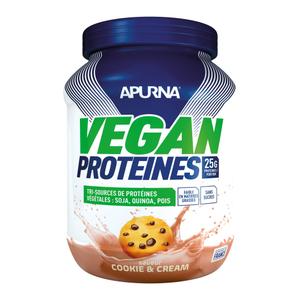
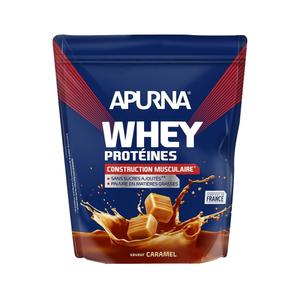
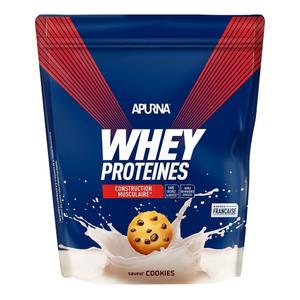
Our Native Protein page brings together our advice on native whey: direct extraction from milk through cold microfiltration, differences with whey from cheese, richness in leucine, digestibility, dosage and timing of intake, for recovery and muscle development.
Whey protein in its most preserved form.
Extracted directly from milk
Classic whey comes from whey, a by-product of cheese making, obtained after the addition of rennet or acid and heating. Native protein is, on the other hand, extracted directly from milk using microfiltration at low temperature, without going through the cheese-making stage. This process preserves the natural structure of the proteins, which are said to be non-denatured.
The alternatives
Proteins are also available as:
All proteins can be found on the protein page.
Its benefits
Native whey stands out for its high content of leucine, the amino acid that triggers muscle protein synthesis, and for its excellent digestibility. It is low in lactose and fat, and does not contain residues from cheese making. It is a quality choice for athletes who are mindful of the source and processing of their supplements.
In practice
Like all whey, it is consumed at a rate of twenty to thirty grams of protein per dose, in the hours following training, or as a snack. It mixes with water or milk, without lumps. It remains a supplement to a varied diet that is rich enough in protein. One should check the source of the milk, preferably from grass-fed cows, and the ingredient list.
Good deals
Great bargains can also be found in the good deals, promotions, clearances, sales, and Black Friday. The new arrivals feature the latest collections, and items shipped within 24 hours are prepared and dispatched in 24 hours. The key events of the year follow a stable order: the Black Friday at the end of autumn, the year-end holidays, the winter sales, the French Days in spring, then the summer sales and back to school.
Frequently asked questions
What’s the difference between native whey and classic whey?
Classic whey comes from whey that has been heated and acidified; native is extracted directly from milk through cold microfiltration. Its proteins remain non-denatured, with a rich leucine profile.
When to take native whey?
The most useful time is after training, to quickly supply the amino acids needed for muscle repair. It can also complement a breakfast or a snack that is low in protein.
What’s the dosage of native protein per serving?
Twenty to thirty grams of protein are sufficient to stimulate muscle synthesis in most athletes. It is unnecessary to take more at once: the key is the total intake throughout the day.
Does native whey suit lactose intolerant people?
Its filtration removes a large portion of the lactose, and the isolate versions contain very little, often well tolerated. In cases of marked intolerance, check the content on the label or opt for a plant-based protein.
How to prepare a shaker of native whey?
First pour the water or milk, then add the powder, and shake vigorously for about twenty seconds. With water, the drink is lighter and digested more quickly, which is ideal after exercise.






