
Protein powder for athletes
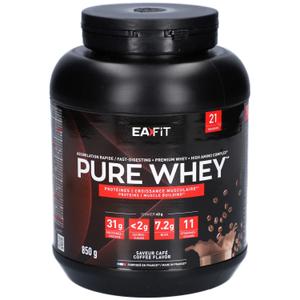
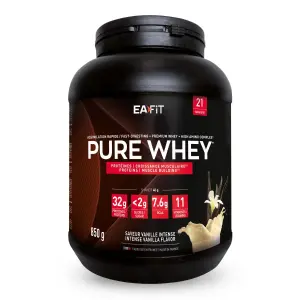
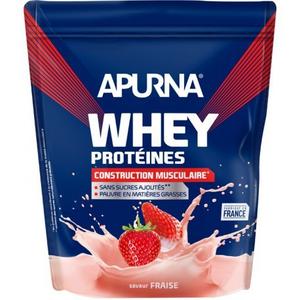
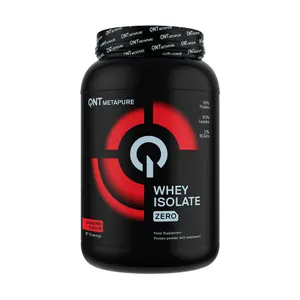
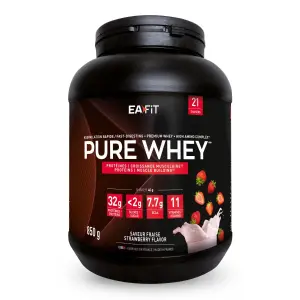
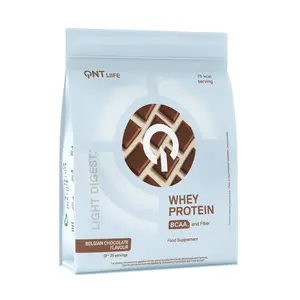
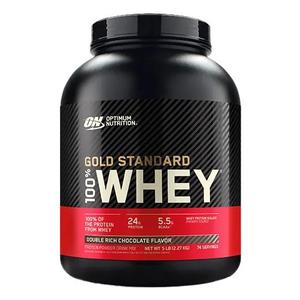
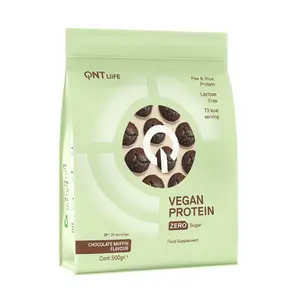
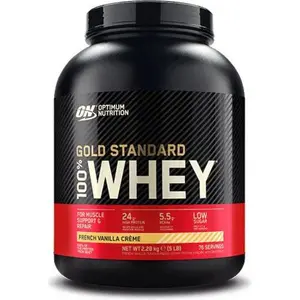
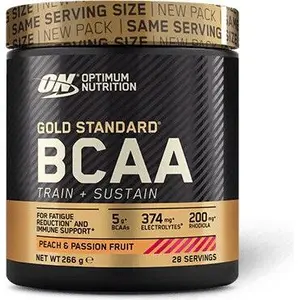
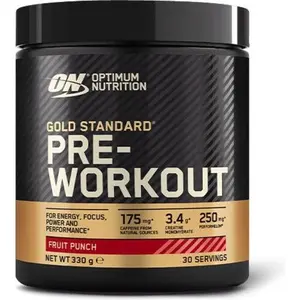
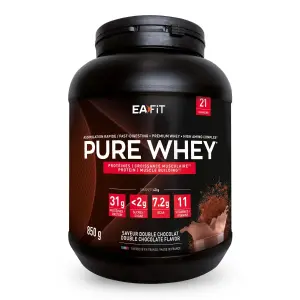
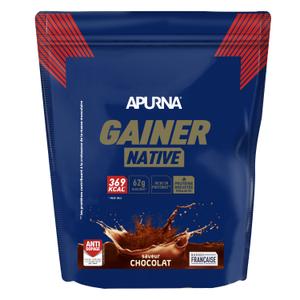
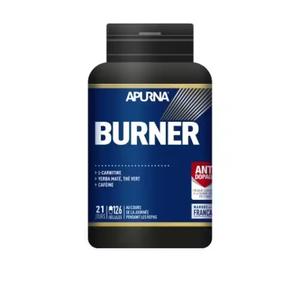
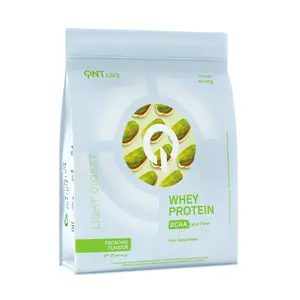
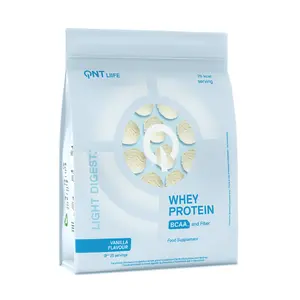
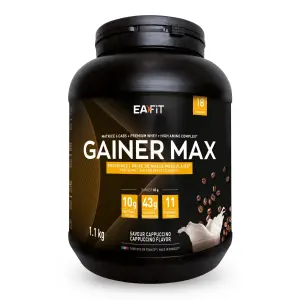
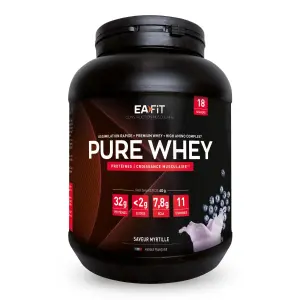
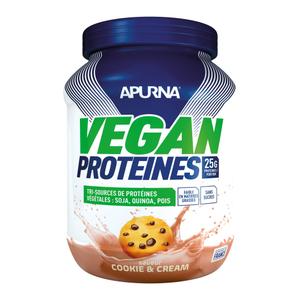
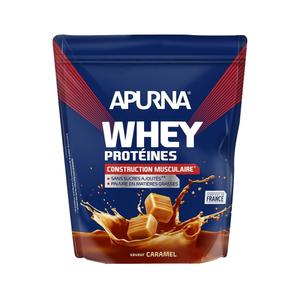
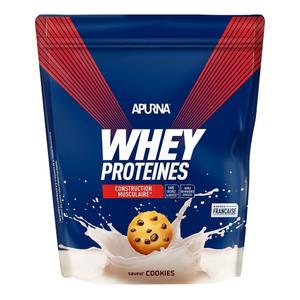
Our selection of protein powders brings together the main types of protein supplements for athletes: concentrated whey, more filtered whey isolate, native protein directly from milk, and plant-based proteins from peas or rice. Powders to complement a varied diet, after a workout or as a snack, according to one's lactose tolerance and dietary choices.
To supplement protein intake.
How much protein does an athlete need
Proteins provide the amino acids that build and repair muscle tissue. For an adult, the European Food Safety Authority recommends a reference intake of 0.83 grams per kilogram of body weight per day. Regular athletes have higher needs, often estimated to be between 1.2 and 2 grams per kilogram depending on the discipline, the training volume, and the goal.
A varied diet, including meat, fish, eggs, dairy products, and legumes, often meets these needs. Protein powder serves as a practical supplement when meals are insufficient or for a quick snack after training: it is not a substitute for meals or a balanced diet.
By type of protein
Proteins come in different types:
Nutrition also includes amino acids, endurance, energy, health and well-being, shakers and water bottles, on the nutrition page.
Concentrated, isolate, native or plant-based whey: the differences
Whey is the protein from whey, which accounts for about one-fifth of the proteins in milk, the rest being casein. Concentrated whey generally contains seven to eight tenths of protein, with some lactose and fat. Isolate whey, further filtered, exceeds nine tenths and contains almost no lactose, making it more digestible for sensitive individuals.
Native protein is extracted from milk through cold microfiltration, without going through cheese making: less denatured, it is rich in leucine. Plant-based proteins often combine pea, which is high in lysine, and rice, which is better supplied with sulfur-containing amino acids, for a complete profile.
When and how to take protein powder
The most common intake occurs after training: a dose providing twenty to thirty grams of protein is enough for most athletes. However, it is primarily the total intake for the day that matters, spread over three or four meals rather than taken all at once. The powder can be mixed with water, which is lighter and easier to digest, or with milk, which is creamier and richer.
Follow the dose indicated on the packaging and choose products with clearly displayed compositions, ideally checked for the absence of doping substances if you compete. A protein powder is only effective when combined with regular training, sufficient sleep, and a varied diet.
Good deals
Great deals can also be found in good plans, promotions, clearance sales, sales, Black Friday. The new arrivals showcase the latest collections, and items shipped in 24 hours are prepared and sent out within 24 hours. The key events of the year follow a stable order: Black Friday at the end of autumn, the year-end holidays, the winter sales, the French Days in spring, then the summer sales and the back-to-school season.
Frequently asked questions
Are protein powders suitable for female athletes?
Yes, needs depend on weight, training volume, and goals, not gender. A female athlete can supplement her diet with whey or a plant-based protein; without intensive strength training, she will not gain excessive muscle mass.
Does protein powder make you gain weight?
Protein provides about four kilocalories per gram, similar to carbohydrates. It only causes weight gain if it adds to an already excess energy intake; taken in place of a sugary snack, it actually helps you feel fuller.
Can you take whey if you are lactose intolerant?
Whey isolate, which is highly filtered, contains only traces of lactose and is suitable for many intolerant individuals. In cases of milk protein allergy, however, all whey should be avoided: a plant-based protein becomes necessary.
Should you take protein on rest days?
Yes, recovery and muscle rebuilding continue on days without training. The important thing is to maintain a regular daily intake; if your meals provide enough, the powder is not essential on those days.
How long does protein powder last?
Unopened, it keeps until the date indicated on the packaging. Once opened, seal the bag or container tightly, store it in a dry place away from heat, and use a dry spoon to prevent moisture from causing clumps.






