
Amino acids for athletes
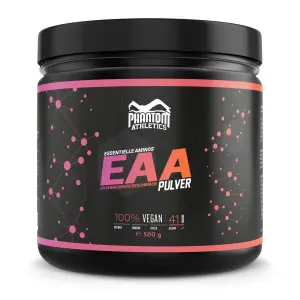
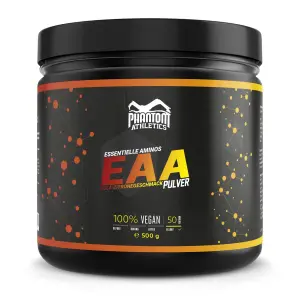
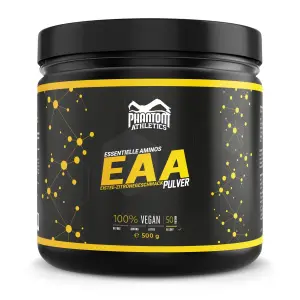
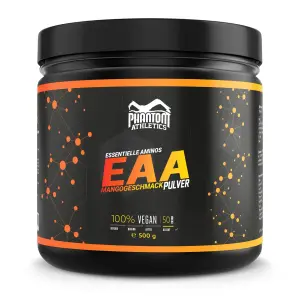
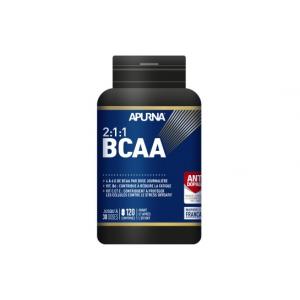
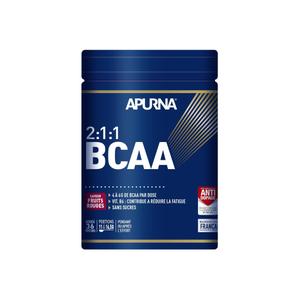



Our selection of Amino Acids brings together sports supplements: BCAAs, essential amino acids, amino complexes, and L-glutamine, along with our explanations of their role, how they differ from proteins, and how to incorporate them into your diet.
The building blocks of proteins.
The building blocks of proteins
Amino acids are the building blocks that make up proteins: the body assembles them to build and repair muscles, as well as enzymes and various tissues. About twenty amino acids contribute to the composition of proteins. Nine of them are known as essential: the body cannot produce them, so they must be obtained from food. The others can be produced by the body.
By type of amino acids
Amino acids come in different types:
Nutrition also includes proteins, energy and boosters, endurance, health and well-being, shakers and bottles, on the nutrition page.
BCAA, aminos and glutamine
BCAA, or branched-chain amino acids, encompass three essential amino acids: leucine, isoleucine, and valine. Leucine plays a signalling role in muscle building. BCAAs are often taken during or around exercise. Amino complexes, or EAAs, provide the nine essential amino acids. L-glutamine, the most abundant amino acid in muscles, is used by some athletes during intensive training periods. The real effects of these supplements are still being researched.
How to use them well
Amino acids complement a balanced diet; they do not replace it: meats, fish, eggs, dairy products, legumes, and cereals already provide the necessary amino acids. A complete source of proteins, like whey, naturally contains all the essential amino acids. Isolated supplements are mainly of practical interest, whether in powder form to mix or in capsules, around training. Always respect the dosages indicated on the label, choose controlled products, and consult a doctor or dietitian if in doubt.
Good deals
Good deals can also be found in good plans, promotions, clearance, sales, and Black Friday. The new arrivals showcase the latest collections, and items shipped in 24 hours are prepared and sent out within 24 hours. The major events of the year follow a steady pattern: the Black Friday at the end of autumn, the holiday season, the winter sales, the French Days in spring, then the summer sales and back-to-school season.
Frequently asked questions
Should I take BCAA if I already consume whey?
A whey already contains all the essential amino acids, including BCAAs. If your protein intake is sufficient, BCAAs add little more, but they are convenient when mixed in a drink during a long session.
How many amino acids can the body not produce?
Nine, known as essential, which must be supplied by the diet. Meats, fish, eggs, and dairy products provide all of them, while plant foods require combinations, such as cereals and legumes.
When should I take BCAA?
Most often during or just after training, mixed in the water of a bottle. They are particularly useful during long sessions or when fasting. Always respect the dosage indicated on the packaging.
What is the role of glutamine for an athlete?
Glutamine is the most abundant amino acid in the body and plays a role in muscle and intestinal function. Athletes use it during periods of intense training, even though its effects on performance are still debated.
Are amino supplements suitable for a plant-based diet?
Many BCAAs are produced through plant fermentation, but some come from animal sources: check for a vegan label on the packaging. They can supplement a plant-based diet that is low in leucine.






