
Energy - Booster: gels, bars, drinks


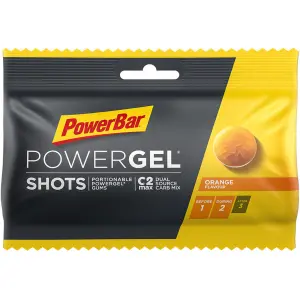


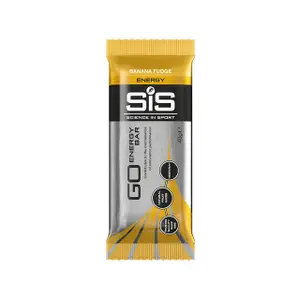
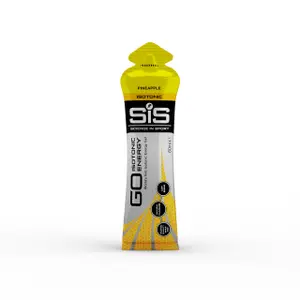


Our selection Energy - Booster brings together carbohydrate sources to consume during exercise: PowerBar PowerGel Original and Hydro gels, including caffeinated versions, Science in Sport Go Isotonic gels and Beta Fuel, Apurna gel with acerola, PowerGel Shots gummies, Punch Power bars, PowerBar Energize and Ride, and Styrkr drink, for running, cycling, and trail.
The fuel for long efforts.
Why to eat during long efforts
After an hour of sustained effort, the glycogen stored in muscles and the liver is no longer enough to maintain pace: fatigue, or hunger, sets in. Providing quick carbohydrates during the session delays this exhaustion. Common recommendations range from thirty to sixty grams per hour for effort lasting one to two and a half hours, and up to ninety grams beyond that, by combining glucose and fructose, absorbed by different intestinal transporters. These intakes should be spaced every twenty to thirty minutes, in small amounts.
By product type
Energy comes in different product types:
Nutrition also includes proteins, amino acids, endurance, shakers and flasks, on the nutrition page.
Gel, gummy, bar or drink: which one to choose
Each format meets a different need. The PowerGel Original, in a 41-gram pouch, packs its carbohydrates into a small volume and is taken with a few sips of water. Isotonic gels, like the PowerGel Hydro and Science in Sport Go Isotonic, already diluted, can be swallowed without drinking; the Go Isotonic provides twenty-two grams of carbohydrates. The Beta Fuel from Science in Sport goes up to forty grams, with a maltodextrin and fructose ratio of one to zero point eight, designed for high needs. The Energize, Ride or Punch Power bars are suitable for cycling, where they can be easily chewed, and the Styrkr drink covers both energy and hydration.
Caffeine and refuelling plan
Some gels include caffeine, like the PowerGel Original Espresso or PowerGel Hydro Cola. It lowers the perception of effort and is best reserved for the second half of a long event, without combining sources to remain below its tolerance threshold. The refuelling plan is built during training: you test flavours, textures, and timing during long rides, as the digestive system needs training. On the day of the event, distribute gels and bars in your pockets according to the expected time for each intake, and drink regularly to aid digestion.
Good deals
Good deals can also be found in good plans, promotions, clearance, sales, Black Friday. The new arrivals showcase the latest collections, and the items shipped within 24 hours are prepared and dispatched within 24 hours. The highlights of the year follow in a stable order: Black Friday at the end of autumn, the holiday season, winter sales, French Days in spring, followed by summer sales and back-to-school.
Frequently asked questions
What's the difference between an effort drink and an energy soda?
An effort drink, like Styrkr, provides carbohydrates and electrolytes specifically designed to be consumed during the session. Energy sodas mainly rely on caffeine and sugar, without focusing on the athlete's hydration.
Are energy gels useful in a gym?
For a weight training session of less than an hour, reserves are generally sufficient and a gel is not essential. It becomes useful during longer and intense training, like an extended cross-training circuit or a double session.
How many gels to take for a marathon?
Generally, expect to take one gel every thirty to forty minutes after the first hour, which would be four to six gels depending on your running time. Add one extra for emergencies in case of a missed refuel or feeling unwell.
How to avoid digestive issues with gels?
Choose an isotonic gel or a mix of glucose and fructose, easier to absorb, and take it in several intakes. Avoid combining a concentrated gel with a very sweet drink, which overloads the stomach with carbohydrates.
Can an energy bar be eaten before the start?
Yes, a bar like Punch Power or PowerBar Energize, taken an hour before the start, helps to top up reserves without weighing down the stomach. During the effort, it should be eaten in small pieces, more easily while cycling than running.






