
Nutrition for endurance sports
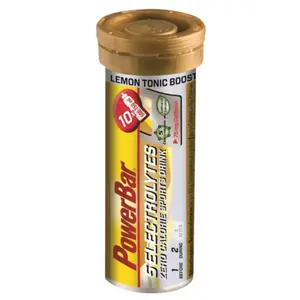
Our Endurance page brings together our nutrition tips for long efforts: energy gels, isotonic drinks, electrolytes and bars, to eat well before, during and after a run, a bike ride, a trail or a triathlon, and to avoid hitting the wall.
Hold the distance, from start to finish.
The fuel for endurance
During an effort of endurance lasting more than an hour, the body draws on its stores of glycogen, the sugars stored in muscles and the liver. When they are depleted, performance drops dramatically: this is the famous failure, or marathon wall. At the same time, sweating leads to loss of water and minerals. Endurance nutrition aims to compensate for these two losses, allowing you to maintain your pace over the distance.
By product type
Endurance nutrition comes in different products:
Nutrition also includes energy and boosters, proteins, amino acids, shakers and bottles, on the nutrition page.
During the effort
During the effort, the goal is generally thirty to sixty grams of carbohydrates per hour, up to ninety for trained athletes who combine glucose and fructose. The gels, which are concentrated, can be swallowed in a few seconds; isotonic drinks provide carbohydrates, water and electrolytes, especially sodium, which helps retain water. Drink in small, regular sips, without waiting for thirst, and start eating from the first hour.
Before and after
Before a long event, it's important to load up on reserves with carbohydrate-rich meals in the days leading up to it, and a final easily digestible meal three hours before the start. After the effort, recovery combines carbohydrates to replenish glycogen, proteins to repair muscles, and water with electrolytes to rehydrate. Always test your products during training: an unaccustomed stomach can ruin a race.
Good deals
Good deals can also be found in the good deals, promotions, clearance, sales, Black Friday. The new arrivals showcase the latest collections, and items shipped in 24h are prepared and dispatched within 24 hours. The highlights of the year follow a stable order: the Black Friday at the end of autumn, the end-of-year holidays, the winter sales, the French Days in spring, followed by summer sales and back-to-school.
Frequently asked questions
When should you take an energy gel during a race?
From the first hour of effort, then every thirty to forty-five minutes or so, with a few sips of water to aid digestion. Don’t wait for the feeling of hunger: the craving comes before.
Isotonic drink or water: what to drink on a long outing?
For an outing of less than an hour, water is sufficient. Beyond that, an isotonic drink provides both carbohydrates and sodium, and compensates for losses due to sweating without irritating the stomach.
How to avoid hitting the wall in a marathon or trail?
Fill up on glycogen reserves in the days leading up to the event, then take in carbohydrates regularly from the start of the effort, without waiting for energy to drop. Consistency is more important than quantity.
Why take electrolytes in high heat?
Sweating causes a loss of water but also sodium and other minerals. Electrolytes help prevent cramps and avoid drinking large amounts of plain water, which can dilute sodium in the blood.
Should you test your nutrition before race day?
Yes, always: gels, drinks, and bars should be tested during training on long outings. On the day, don't change anything, as an unfamiliar product can cause digestive issues and ruin the race.






