
Golf sand wedges for boys
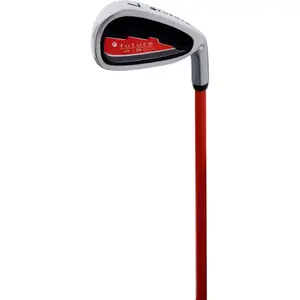
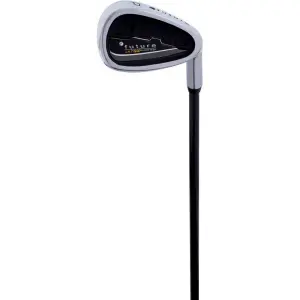
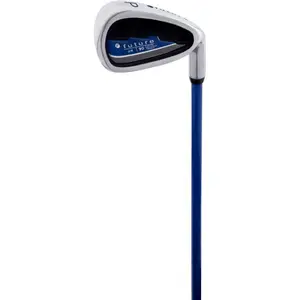

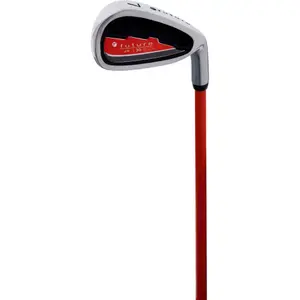
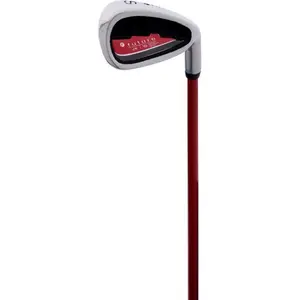
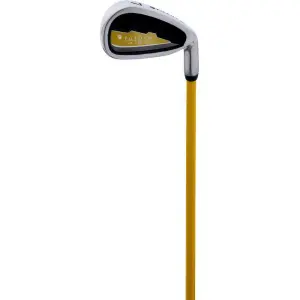
Our page sand wedges for boys brings together our advice for equipping a young golfer for bunker play: loft and bounce suited to their level, length selected according to their height, weight of the head and the shaft, and sand escape technique, to tackle the short game with confidence and save strokes around the green.
Getting out of the sand, with confidence.
Gene Sarazen and the Birth of the Bunker Club
The modern sand wedge owes a lot to American Gene Sarazen. In 1931, he welded lead under the sole of a niblick to create a lip that bounces in the sand instead of getting stuck. He kept this club hidden until the 1932 British Open, which he won, before the golfing authorities declared it conforming. Later tests on his wedge revealed a loft of fifty-eight and a half degrees and a bounce of thirteen and a half degrees, values close to today's sand wedges. Since then, this club has been in the bag of almost every golfer, often being the first wedge a young player receives.
The Rest of the Bag
Boys' clubs are also available in various types:
All clubs are gathered on the boys' clubs page.
Loft, Bounce, and Length for a Young Player
The loft of a sand wedge typically ranges from fifty-four to fifty-eight degrees, most often around fifty-six: the ball goes up quickly and drops without rolling. The bounce, the angle between the leading edge and the lowest point of the sole, is said to be low under eight degrees and high above twelve. For a boy discovering bunkers, a high bounce allows for errors made too far behind the ball. The length should be chosen based on height, not age: junior ranges are classified by height segments. A lighter head and a flexible graphite shaft help the child generate the necessary speed to move the sand.
Getting the Ball Out of the Sand: Technique and Drills
In a bunker, you don’t hit the ball but the sand a few inches behind it. The face is slightly open, the ball is placed towards the front foot, and the feet are well planted to avoid slipping. The motion remains smooth and accelerated until the end: slowing down at impact will leave the ball in the bunker. A simple drill involves drawing a line in the sand and striking it ten times in a row without the ball, then with a ball placed just in front. Once consistency is achieved, vary the distance to the flag by modifying the length of the swing rather than its speed, to help the boy develop his touch.
Special Deals
Good deals can also be found in special offers, promotions, clearance, sales, and Black Friday. The new arrivals feature the latest collections, and items shipped in 24h are prepared and sent out in 24 hours. The key events of the year follow a stable order: Black Friday in late autumn, the year-end holidays, the winter sales, the French Days in spring, then the summer sales and back to school.
Frequently Asked Questions
Is a sand wedge useful for a boy who is just starting out?
Yes, it’s one of the most useful clubs in a half junior set. It’s used in bunkers but also for short approaches that need to clear an obstacle and stop quickly on the green.
What’s the difference between a sand wedge and a pitching wedge?
The pitching wedge has a lower loft, around forty-five degrees, and a thin sole for full shots. The sand wedge, being more open, has a wide sole and a pronounced bounce that makes it easier to play in the sand.
Can a young left-hander use a right-handed sand wedge?
No, the face of a wedge is oriented for a specific playing style. A left-handed player must use a left-handed club; otherwise, their posture and the direction of their shots will be off from their first sessions.
When should a growing child's sand wedge be replaced?
As soon as they have to bend excessively at address or the sole no longer rests flat, the club has become too short. Checking after every growth spurt helps maintain a natural swing.
What should you do if the ball is buried in a bunker?
For a buried ball, slightly close the face instead of opening it and hit harder, striking closer behind the ball. It will come out lower and roll more on the green, which should be anticipated.






