
Single Iron for Boys
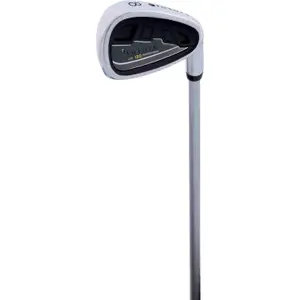


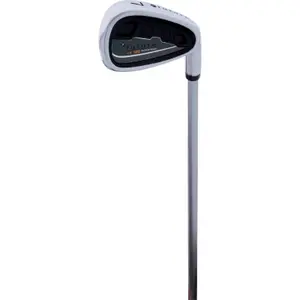
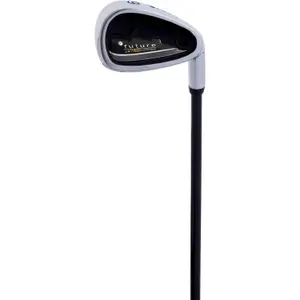
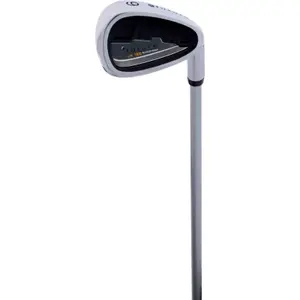
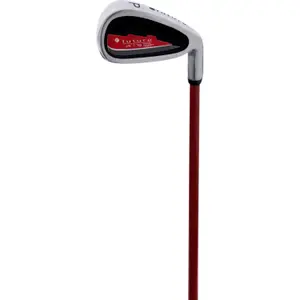
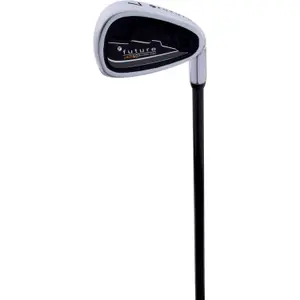
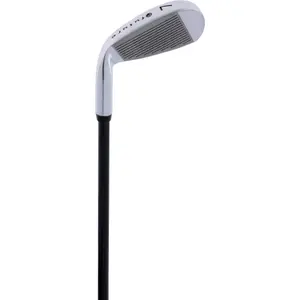

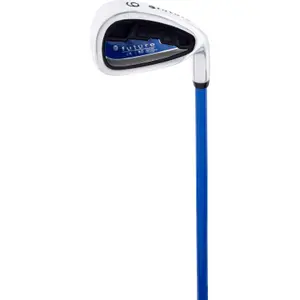
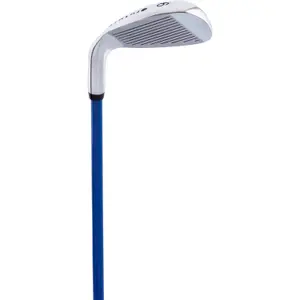
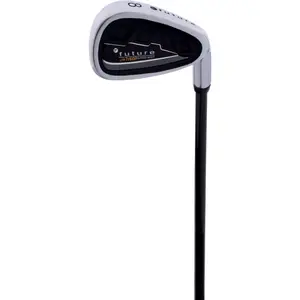

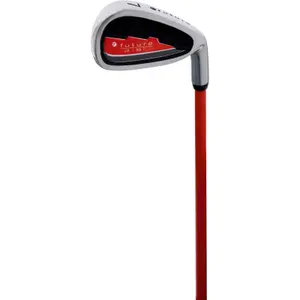

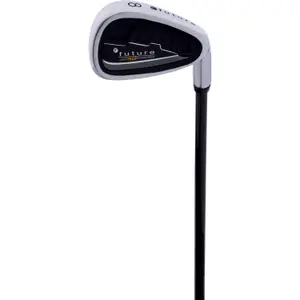


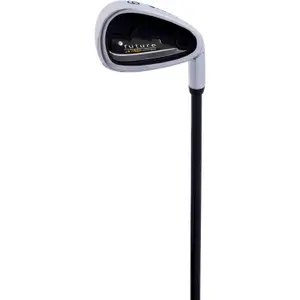
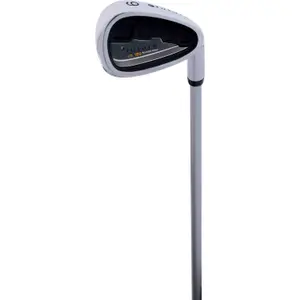
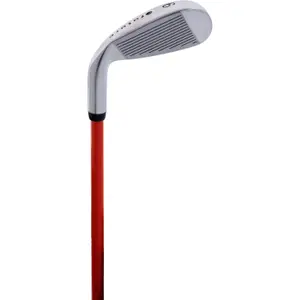
Our page of single clubs for boys helps build a young golfer's bag club by club: the first club for golf school, the clubs that fill a distance gap, replacing a lost club, and choosing the length, weight, and shaft based on height. Buying a single club allows you to track progress without having to buy a complete set at every stage.
Building your bag, club by club.
What first club for a young golfer
The first club for a young golfer is most often a seven iron: open enough to lift the ball, long enough to move down the course. Golf schools use it to teach the basics of the full game, grip, stance, and ball-to-ground contact. Alone, it's sufficient for the first sessions on the practice range and on a compact course. A six or seven-year-old doesn't need more: having too many clubs too early forces them to make choices without reference points. It's better to have one iron that fits well and is well mastered than a bag full of clubs that are too long or too heavy, which distort the stroke.
The rest of the bag
Clubs for boys also include:
All clubs are gathered on the boys' clubs page.
Add an iron when distances become clear
You add an iron when the child starts to know their distance with each club. From one iron to the next, the loft, the angle of the face, varies by about four degrees, which produces a regular length difference. After the seven iron, a nine iron often comes in first for mid-range approaches; a five iron completes the top of the bag when the swing speed allows. An individual iron is also useful to replace a lost or bent club without having to buy a whole new bag. You stick to the same junior range to maintain consistent weight, length, and grip from club to club, ensuring the same feel at impact.
Length and shaft of a junior boys' iron
The length of a junior iron is determined by the boy's height, with shoes on, rather than by age: manufacturers provide size ranges that are often marked by color. When addressing the ball, the arms should hang freely, and the sole of the club should rest flat on the ground. The lightweight and flexible graphite shaft bends during the downswing and helps lift the ball at a moderate speed; the heavier steel shaft is suitable for teens who hit hard. When the child grows by about ten centimetres, the iron becomes too short, forcing them to bend down: that's the signal to move up to the next size.
Good deals
Good deals can also be found in good deals, promotions, clearance, sales, and Black Friday. The new arrivals showcase the latest collections, and items shipped in 24 hours are prepared and dispatched within 24 hours. The key events of the year follow a consistent order: Black Friday at the end of autumn, the holiday season, the winter sales, the French Days in spring, followed by summer sales and back-to-school.
Frequently asked questions
At what age can a boy have his own golf iron?
From four or five years old, a short and lightweight junior iron allows them to explore the swing while having fun. The key is that the club fits their size; otherwise, they will develop bad habits.
How many irons should a young beginner have in their bag?
One or two irons are enough at the start, typically a seven iron followed by a nine iron. The number of irons then increases as the child explores the course and their distances.
Can different brand irons be mixed in a junior bag?
It’s possible, but having similar weight and length from club to club helps with consistency. By sticking to the same range, the child senses the same feel with each shot.
Can a junior iron fit in an adult bag?
Yes, but a bag suited to the child's size is easier to carry and better protects their clubs. Junior clubs stored alongside adult clubs may also risk getting damaged.
How can you tell if an iron is too heavy for a boy?
If the child struggles to finish their swing in balance or grips the club tightly, it's too heavy. An appropriate iron swings freely and allows for a stable finish, with weight on the front foot.






