
Volleyball accessories
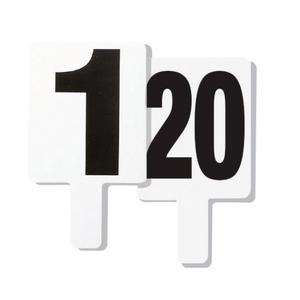
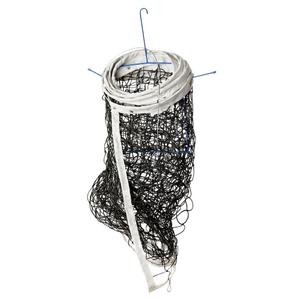
Our selection of volleyball accessories brings together the small equipment that surrounds the ball: digital pressure gauge Mikasa for precise pressure adjustment, pump and inflation needles, Tremblay net holder for the equipment on the court. Tools for coaches, referees, and club managers who want balls that meet the requirements for each session.
The small equipment that makes a difference.
How ball pressure changes the game
The FIVB sets the pressure of an indoor volleyball between 0.30 and 0.325 kg/cm², which is about 4.3 to 4.6 psi; in beach-volleyball, the ball is much more soft, between 0.175 and 0.225 kg/cm². These ranges are narrow, and the difference is felt immediately. An over-inflated ball becomes hard, flies quickly and bruises the forearms in digging; a ball that is too soft floats, slows down on serves and skews passes.
Balls lose air over time and depending on the gym temperature: checking at the beginning of a session ensures that all balls in a basket react the same way, which is essential for effective training.
Other equipment
Volleyball equipment also includes:
All equipment is gathered on the equipment page.
The digital manometer Mikasa in practice
The manometer Mikasa from the team is a digital model: its nozzle is inserted into the valve and the screen displays the pressure in psi, bar, kg/cm², or kPa, your choice. This versatility avoids conversions, as balls indicate their value in different units depending on the manufacturers. Supplied with a foam case, it runs on batteries and fits in the bag of the coach or the referee.
Moisten the nozzle before inserting it straight into the valve, read the value, and if necessary, adjust slightly before measuring again. The same device is used for beach-volleyball balls, which have a lower recommended pressure.
Pump, needles and net holder: the rest of the equipment
The pump with double action, which sends air on both push and pull, inflates a basket of balls in just a few minutes; a model with a built-in manometer is handy but less precise than a dedicated device. The needles can bend or clog over time: keeping some spares prevents damaging a valve with a deformed needle. A drop of water or glycerin on the needle makes it easier to insert and protects the valve.
The net holder Tremblay completes the field equipment. Between sessions, store the balls away from heat and moisture, and separate match balls from training ones.
Good deals
Good bargains can also be found in the good deals, promotions, clearance, sales, Black Friday. The new arrivals showcase the latest collections, and items shipped within 24h are prepared and sent within 24 hours. The key events of the year follow a set order: Black Friday in late autumn, the holiday season, winter sales, the French Days in spring, followed by summer sales and the back-to-school period.
Frequently asked questions
How can you tell if a volleyball is properly inflated without a manometer?
By pressing the ball with both thumbs, it should yield slightly without flattening. This test is approximate: for match balls or a uniform training basket, only a measurement with a manometer guarantees the indicated value near the valve.
Should balls be deflated during holidays?
A slight deflation relieves the shell and seams if the balls are stored for several weeks. Inflate them again to the recommended value and check them before returning, as the bladder often loses air in the meantime.
What to do if a volleyball is losing air?
Inflate it and then apply soapy water to the valve: bubbles indicate a leak. A valve damaged by a dry needle can sometimes be repaired with a suitable sealant, but a leak in the shell often means replacing the ball.
Who checks the balls before an official match?
In competition, the referee checks the balls before the match, particularly their pressure. The hosting club therefore prepares compliant balls: a manometer check the day before avoids having to change them at the last minute.
How should the club's volleyball balls be stored?
Store them in a cool place, away from sunlight and moisture, in a net or a well-ventilated bag. Avoid placing them near a radiator and do not put heavy items on top, as this deforms the shell and weakens the seams.






