
Nutrition and hydration for volleyball players












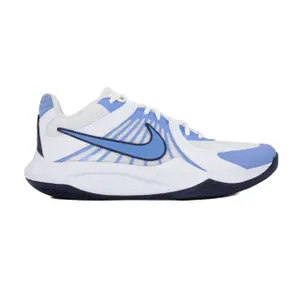
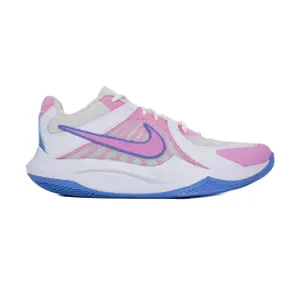
Our nutrition page brings together our advice on diet and hydration for volleyball players, both indoors and on the sand: what to eat before a match, how to drink between sets, how to manage a day at a tournament, and what to plan for after exercising to recover well. Simple guidelines tailored to a sport of short, repeated efforts.
Eat well to jump higher.
The pre-match meal, three hours before
Volleyball relies on short, explosive efforts: jumps, attacks, dives, separated by brief pauses between points, during matches that can last over two hours in five sets. These efforts primarily draw from glycogen, the carbohydrate reserve stored in muscles and the liver. The last meal should be had about three hours before the match starts: carbohydrates such as pasta, rice or semolina, a moderate portion of lean proteins, and little fat or fibre, as these slow digestion down. The day of the match is not for trying unusual foods.
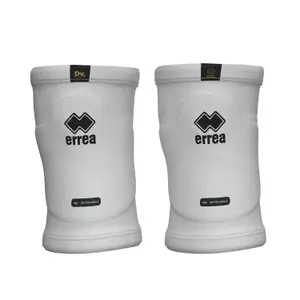
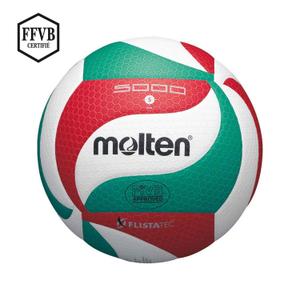
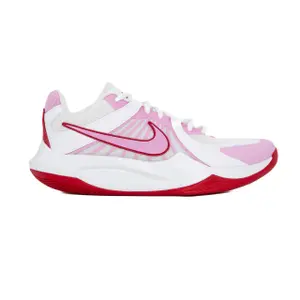
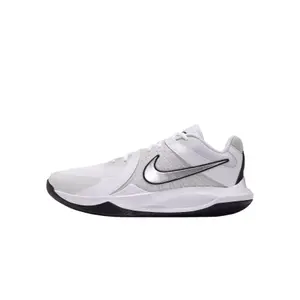
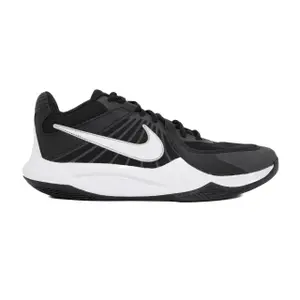
Other equipment
Volleyball equipment also includes:
All the equipment can be found on the equipment page.
Drinking between points and during sets
Even a modest loss of water reduces relaxation and accuracy. You should start the match well hydrated, with a large glass of water in the hour leading up to it, and then sip a little at every timeout and every change of sides, without waiting to feel thirsty. After an hour of play, or in hot weather, a sports drink provides both carbohydrates and sodium to replace what is lost through sweat. In beach-volley, under the sun and on burning sand, the needs significantly increase: keep your water bottle in the shade and drink more between sets.
Recovering after the match and between days
Recovery starts right after the match. Within the hour that follows, a snack containing carbohydrates and protein, like a dairy product with a fruit, a ham sandwich, or a glass of chocolate milk, replenishes stores and helps muscle fibres repair. The evening meal should consist of a base of carbohydrates, vegetables, and protein, along with something to drink to replace lost fluids. During a competition weekend, sleep is part of the plan: a full night's rest solidifies muscle recovery and the concentration for the next day, more than any supplement.
Good deals
Good deals can also be found in the good deals, promotions, clearance sales, sales, and Black Friday. The new arrivals showcase the latest collections, and items shipped within 24h are prepared and sent out in 24 hours. The highlights of the year follow a steady order: Black Friday at the end of autumn, the end-of-year holidays, the winter sales, the French Days in spring, then the summer sales and back to school.
Frequently asked questions
How many calories are burned during volleyball?
It all depends on weight, position, and intensity: a competitive match burns much more than a casual game. For an adult, it's generally several hundred calories per hour of play, more on sand where every movement requires more effort.
What to eat for breakfast before a morning match?
A light breakfast taken two to three hours prior: bread or oats, a bit of honey or jam, a dairy product, and a fruit. If the match is very early, a lighter snack, like a banana and a compote, avoids playing on a full stomach.
What to snack on between matches in a tournament?
Easy-to-digest snacks, consumed in small quantities: banana, cereal bar, drinkable compote, dried fruits, or a few plain biscuits. Save hearty meals for the end of the day when no further matches are scheduled.
Are energy drinks suitable for volleyball players?
No, they shouldn't be confused with sports drinks: high in caffeine and sugars, they speed up the heart and don't hydrate better than water. During a match, water or a diluted sports drink remains the best choice.
Should supplements be taken for volleyball?
A varied diet meets the needs of the vast majority of players. Supplements, like protein powders, are only justified in cases of very intensive training and should be discussed with a doctor or sports dietitian.






