
Surf and bodyboard: wetsuits and boards


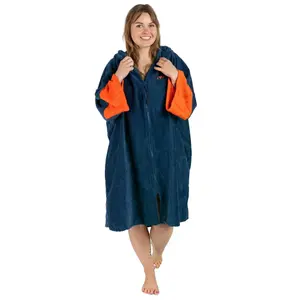
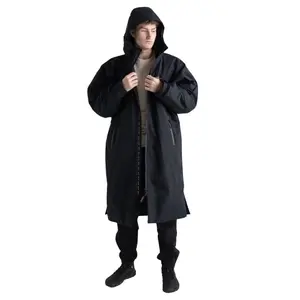
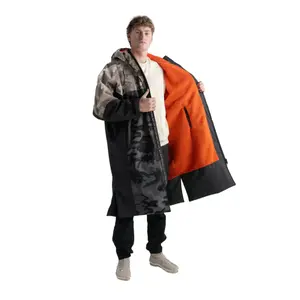

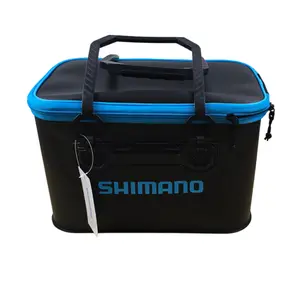


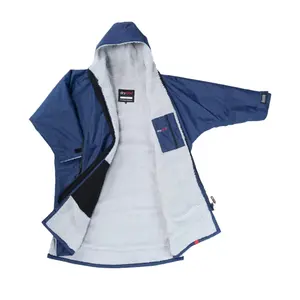

The Surf and Bodyboard page brings together the surfer's equipment: full wetsuits and shorties O'Neill, Quiksilver, Soöruz, Roxy and GUL, booties, rash guards and UV protection tops, surf shorts Billabong, ponchos Dryrobe, helmets Gath and Waimea boards.
Stay warm in the water and have fun in the waves.
The thickness of the wetsuit
The thickness of a wetsuit is measured in millimetres, usually with two numbers: the first for the torso, which is thicker to keep you warm, and the second for the arms and legs, which are thinner for mobility. A 3/2 is suitable for temperate water from late spring to autumn, a 4/3 for the transitional seasons, a 5/4 for winter on the Atlantic coast, and even thicker models for very cold waters. In summer, a shorty or a top is enough.
Water sports on the site
Water sports also include:
- Wetsuits, diving, and water sports.
- Stand Up Paddle.
- Kayaks and Canoes.
- Inflatable Boats.
- Electronics.
- Accessories.
All water sports are gathered on the water sports page.
Zip, booties, and anti-UV
Wetsuits with a zip at the back, like the O'Neill Reactor or Epic, are easy to put on; models with a zip on the chest let in less water. In winter, booties made of neoprene, from 3 to 5 millimetres, keep your feet warm and protect them from rocks. In summer, the rashguard and anti-UV t-shirt, like the O'Neill Basic Skins, protect against the sun and board chafing. The poncho Dryrobe allows you to change out of the wind on the beach.
Boards and safety
For beginners, a long and thick foam board, like the Waimea, floats well, helps you get up, and reduces the risk of injury. The helmet Gath protects your head in reef or rocky spots. The bodyboard, which is shorter, is used lying down and is suitable for children. You should surf at spots that match your level, respect the right of way in the water, and check the tide and currents before going in.
Good deals
Good deals can also be found in the good deals, promotions, clearance, sales, and Black Friday. The new arrivals showcase the latest collections, and items shipped in 24h are prepared and shipped within 24 hours. The key times of the year follow a steady order: Black Friday at the end of autumn, the end-of-year holidays, the winter sales, the French Days in spring, followed by the summer sales and back to school.
Frequently asked questions
What size wetsuit should I choose?
A wetsuit should fit like a second skin, without any air pockets at the back or knees, as circulating water cools you down. It should allow you to raise your arms without straining your shoulders.
Full suit or shorty?
The shorty, with short sleeves and legs, is suitable for warm water in the height of summer. The full suit, covering arms and legs, becomes essential as the water cools, both on the Atlantic coast and in the Channel.
How to take care of your wetsuit?
Rinse it in fresh water after every session, inside out and then right side out, and let it dry in the shade on a wide hanger. Sun and warm water can damage neoprene and make it harden.
What board should I start surfing with?
Choose a long and thick foam board, very stable and safe in case of a fall. It makes it easier to paddle out on the wave and stand up, before moving to a shorter board.
What is a surf poncho for?
The sponge poncho or Dryrobe coat allows you to change out of sight on the beach and warm up after the session. It prevents you from staying wet in the wind, especially in winter.






