
Kayaks and Canoes for a Leisurely Ride

The Kayaks and Canoes page is for those who want to paddle for leisure, with family, or on a water hike: inflatable kayaks that fit in a boot, faster rigid kayaks, stable sit-on-tops for the sea, and open canoes for river trips with gear. The right boat depends on the body of water, the number of paddlers, and the space to store it.
Paddling for leisure, with family, or on a water hike.
Kayak or canoe: two ways to paddle
The kayak comes from the Inuit qajaq, a narrow, decked boat used for hunting at sea: you sit low, legs stretched out, and propel the boat with a double paddle, with a blade at each end, switching from right to left. The canoe comes from the birch bark canoes of North American peoples: open, it is paddled while sitting on a bench or kneeling, with a single paddle with one blade. Wider and deeper, the canoe can carry two adults, a child, and waterproof containers for several days of descent. The kayak, sitting lower in the water, moves faster, maneuvers better, and is less affected by the wind.
Water sports on the site
Water sports also include:
Inflatable, rigid or sit-on-top: which kayak
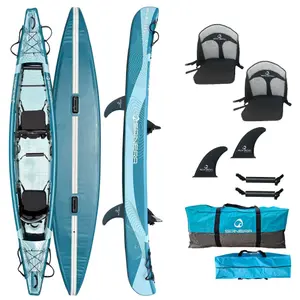
The kayak inflatable folds into a bag and travels in a car boot: it's the solution for city dwellers without a garage. The inflatable models inflate at low pressure; those with a drop-stitch fabric, two layers connected by thousands of threads and inflated more firmly, gain stiffness and glide better. The kayak rigid, made of rotomoulded polyethylene or composite, tracks straighter, holds its course better in the wind, and lasts for years, but requires a roof rack and a storage place. The sit-on-top, which you sit on instead of climbing inside, drains itself and is easy to get back up after capsizing: it's the boat for the sea and beginners.
Inflate, rinse, store: maintaining your kayak
An inflatable kayak should be inflated to the pressure indicated near the valve, often expressed in psi, checking it with a gauge: if under-inflated, it bends in the middle and moves poorly. After use, rinse it with freshwater, especially after being in the sea, and let it dry completely before folding to prevent mould and odours. Storage should be away from sunlight, as ultraviolet rays can harden PVC and fade the hull. A kayak should be stored on its side or on wide straps, never left lying on its hull for long. Before each outing, check the valves, carrying handles, and the removable fin that helps the inflatable maintain its course.
Good deals
Great deals can also be found in good plans, promotions, clearance, sales, Black Friday. The new arrivals showcase the latest collections, and items shipped in 24h are prepared and dispatched within 24 hours. The highlight of the year follows a stable sequence: the Black Friday at the end of autumn, year-end holidays, winter sales, the French Days in spring, then the summer sales and the new school year.
Frequently asked questions
Does an inflatable kayak resist river rocks?
Yes, if made of thick PVC or reinforced fabric and inflated to the correct pressure: it bounces off obstacles rather than puncturing. Just avoid dragging it over rocks and keep a repair kit on board.
Kayak solo or tandem: what to choose?
The solo option allows each person to go at their own pace and can be handled alone. The tandem shares the effort and reassures a beginner or a child in front, but it requires synchronising paddle strokes to move straight.
Is a buoyancy aid vest essential?
Yes, as soon as you move away from the shore, and rental places and clubs require it. It should be chosen according to weight, worn closed and strapped, and must not rise above the ears when pulling on the shoulders.
What length of paddle should be chosen?
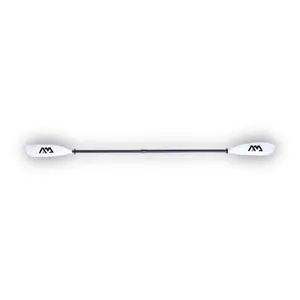
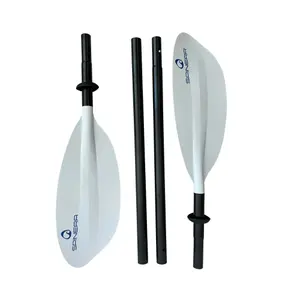
For a kayak, the length depends on the paddler's height and the width of the boat: about 2.10 meters for a narrow kayak, 2.30 meters or more for a wide sit-on-top. For a canoe, the single paddle held standing should reach about the chin.
Can you go kayaking with a child?
Yes, as long as they are comfortable in the water and wear a properly sized vest with a crotch strap to prevent slipping underneath. A stable canoe or tandem, calm water, and short outings make for an enjoyable experience.






