
Water Sports Equipment
The water sports page brings together the equipment for activities on the water: stand-up paddle, kayaks and canoes, surf and bodyboard, wetsuits, rashguards, life jackets and rescue vests, water shoes, sailing clothes, inflatable boats and onboard electronics. Jobe Sports, Helly Hansen, Musto, O'Neill or Nasa equip the curious swimmer as well as the sailor.
Slide, paddle or sail, safely.

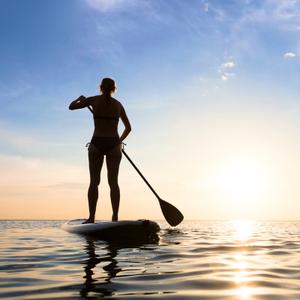
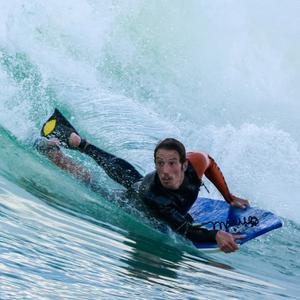
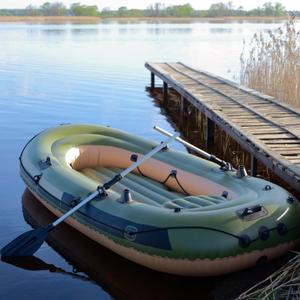
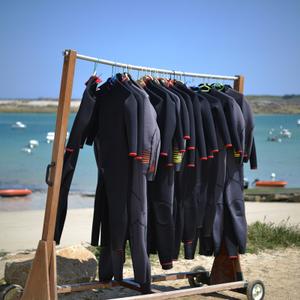
Stand-up paddle, kayak or surfing: which activity
The stand-up paddle is done standing on a wide board, propelled by a single paddle: on a lake or calm sea, it’s the easiest activity to start with, and inflatable models fit in a backpack. The kayak, where you sit with a double paddle, allows for long trips and carries equipment; the canoe, which is open, is paddled kneeling or sitting with a single paddle. Surfing, which originated in Hawaii, requires more learning: you need to read the waves, paddle lying flat, and stand up at the right moment, which encourages starting on a long, stable foam board before moving on to a shorter solid board.
The selection
Water sports are organised by type:
- Stand-up paddle.
- Kayaks and canoes.
- Surf and bodyboard.
- Wetsuits.
- Inflatable boats.
- Electronics.
- Accessories, life jackets, shoes and repairs.
Rashguard, shorty, full wetsuit: thermal protection
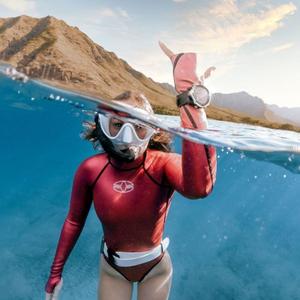
The rashguard, like the O'Neill Basic Skins with long sleeves, is a fitted lycra top that protects against the sun and friction from the board, without insulating from the cold. The shorty wetsuit, like the O'Neill Reactor at two millimetres, covers the torso and upper limbs for warm summer waters. In spring and autumn, or on the coasts of the Atlantic and the Channel, the full wetsuit, made from thicker neoprene on the torso than on the limbs, becomes necessary; women's models like Jobe Sofia and Porto, or the Zone3 Active-Flex, which is more flexible, follow an adapted cut. A hood and neoprene booties further extend practice in winter.
The other sports
The other sports on the site, swimming, padel, badminton, handball, basketball, golf, fitness, climbing, camping, fishing, motorcycling, are gathered on the other sports page.
Life jacket, shoes, electronics: sailing safely
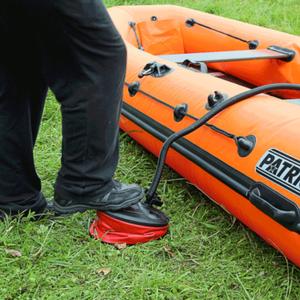
On a paddle, a kayak or a boat, the life jacket should be worn closed: a fifty-newton buoyancy aid allows your arms to paddle freely, while a hundred newton life jacket or more is suitable for offshore sailing. Aquatic shoes, like the adidas Terrex Hydro Lace or the Jobe Discover, protect against rocks and dry quickly. On board, the electronics Nasa Marine, a British sailing instrument brand, displays wind, speed and depth; its Clipper cover protects the screen from the sun and spray. The Jobe Sports Aero repair kit restores a punctured inflatable device, and the Jobe elastic cord secures equipment on board.
Good deals
Good bargains can also be found in good deals, promotions, clearance, sales, Black Friday. The new arrivals showcase the latest collections, and items shipped in 24h are prepared and dispatched in 24 hours. The key moments of the year follow a stable order: Black Friday in late autumn, the year-end holidays, winter sales, French Days in spring, then summer sales and back-to-school sales.
Frequently asked questions
Water sports or aquatic sports: what’s the difference?
We talk about water sports when we are on the water, either on a craft or a board: sailing, kayak, paddle, surfing. Aquatic sports are practised in the water, while swimming, like swimming, water polo or diving.
What size paddle should I choose based on my weight?
The heavier or more of a beginner the person is, the wider and bulkier the board should be to stay stable: around ten feet six inches long and thirty-two inches wide to start. Long and narrow boards, which are faster, are aimed at experienced paddlers.
Do you need to know how to swim to do kayaking?
Yes, most water sports centres require you to be able to swim at least twenty-five metres and to submerge without panicking, often verified by a test. A life jacket remains mandatory on the water, even for very good swimmers.
How do you get up on a surfboard?
While lying down, with hands under the shoulders, push up with your arms and then bring your feet under your body in one movement, with the back foot sideways across the board. You should practice first on the sand before attempting the take-off in small foam waves.
Inflatable or rigid paddle: which one to choose?
The inflatable can be stored in a bag, travels in the boot, and withstands bumps against rocks, making it ideal for cruising and holidays. The rigid board glides better and reacts faster in waves, but requires space and roof bars for transport.






