
Golf carts in clearance sale
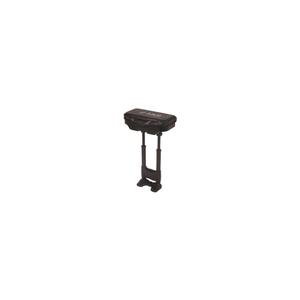
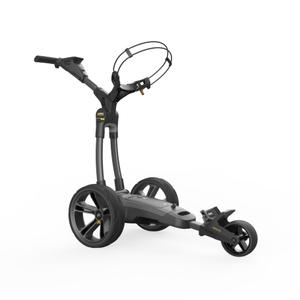
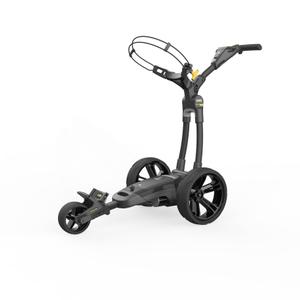
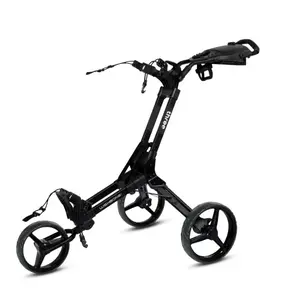
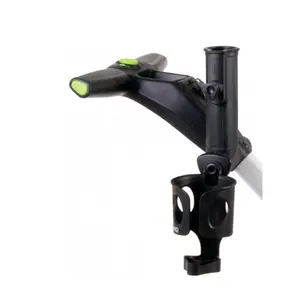
The clearance sale of golf trolleys brings together end-of-line products to walk the course without carrying your bag: three-wheel folding manual trolleys Wishbone Golf, compact electric trolleys PowaKaddy with electronic brakes, including one model with GPS, lithium batteries MGI Zip, charger, and brakes JuCad, seat, clip, and cup holder for MGI trolleys.
Walk the course without carrying your bag, at a reduced price.
Wishbone Manual Trolley: Lightweight and Foldable
The manual trolley remains the simplest solution for a nine-hole or a lightly hilly course. The Wishbone Golf One and Two, with three wheels, are pushed in front of you: the front wheel makes them more stable than a two-wheel trolley that you pull behind you, and the bag stays upright while you play. Their ultra-light frame folds down for storage in the boot of a small car. Before purchasing, check the compatibility with the base of your trolley bag, designed to rest on the lower support without slipping or rotating. A brake secures the trolley on a downhill start during the swing.
The Other Clearances
The golfing clearance also includes:
All the clearances are gathered on the golf page.
Electric Trolley PowaKaddy: Electronic Brake and GPS
The electric trolley moves on its own at the chosen speed, relieving your legs and back on a ten-hole course, where you often walk between six and ten kilometres. PowaKaddy, a British brand founded in 1983 by a watchmaker from Kent who was passionate about golf, has made this trolley its specialty. Its compact models with electronic brakes hold the trolley back on descents and slow it down smoothly. The version equipped with a GPS displays the distance to the green on the handlebar screen, without needing a watch or rangefinder. When folded, these compact models fit in a small boot, with the battery removed to lighten the load.
Lithium Battery MGI Zip: Battery Life and Recharge
The capacity of a battery is measured in watt-hours: the higher it is, the more holes the trolley can cover before needing a recharge. The MGI Zip of two hundred and fifty watt-hours covers a standard course, while the three hundred and eighty watt-hours version extends the battery life for hilly terrains or long days. The lithium technology, much lighter than lead, withstands many cycles and is not affected by partial recharges. It gets recharged after each round and should be stored in a dry place, protected from frost, during the winter. The JuCad charger can also be plugged into a car socket. On a plane, a lithium battery over one hundred and sixty watt-hours is prohibited.
Brakes, Seat and Trolley Accessories
The brakes JuCad, made of titanium and stainless steel or carbon, fit the manual trolleys of the German brand, which launched a foldable stainless steel trolley as early as 1988, and secure them on a slope near the green or at the tee. The adaptable seat MGI attaches to the trolley frame and offers a break while waiting at a busy tee. The multi-function clip serves as an anchor point for accessories, and the cup holder keeps a drink within reach without burying it at the bottom of the bag. These accessories are specific to each brand: check compatibility with your trolley before ordering.
Frequently Asked Questions
Three or Four Wheel Trolley: Which to Choose?
The three-wheel trolley, more compact when folded, is easy to manoeuvre and sufficient for most courses. The four-wheel trolley stands on its own on very steep terrain and is pushed without effort, but takes up more space in the boot.
Follow Me or Remote-Controlled Trolley: What's the Benefit?
The remote-controlled trolley moves on its own without needing to be held, steered from a distance to go around an obstacle or reach the next tee. The follow-me model stays a few steps behind the golfer thanks to a sensor. Both free your hands between shots.
Is a Trolley GPS Allowed in Competition?
Golf rules allow distance measuring devices unless a local rule prohibits them for the event. However, slope or wind information remains prohibited during a competition round.
How to Maintain a Golf Trolley?
Clean the wheels and frame of grass and mud after each round, and regularly check the tire wear. Inspect the battery connectors and lightly grease the folding joints to prevent them from seizing.
Does a Trolley Damage the Course?
In rainy weather, the wheels leave marks on wet areas, and some clubs then prohibit trolleys. Keep it away from the greens, tees, and bunkers, following the ropes and signs set by the course.






