
Martial arts belts on clearance
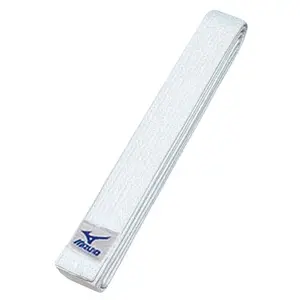

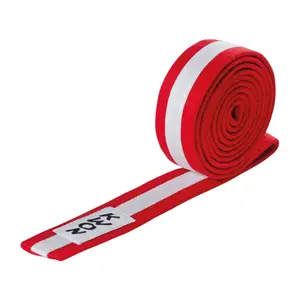
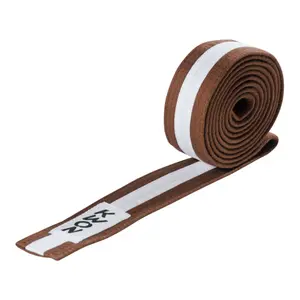

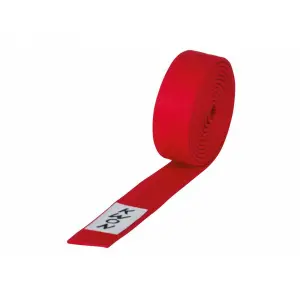
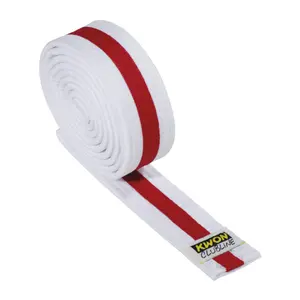
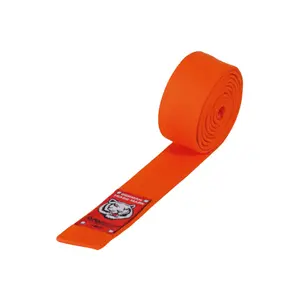

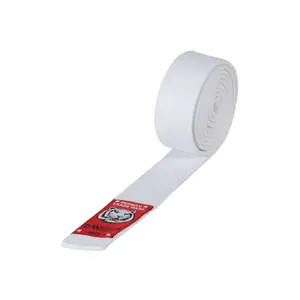
The clearance belts for judo and jiu-jitsu includes end-of-line belts, from the white of the first lesson to the black: judo belts Mizuno, including models approved by the International Judo Federation, Kwon and Danrho belts, two-tone for children, scratch belts for the little ones, and white belts for Brazilian jiu-jitsu. Each one marks a stage on the tatami.
Marking each stage of your progress, for a softer price.
From White to Black: The Colours of Judo
Judo hasn't always had coloured belts. The Kodokan, founded in Tokyo by Jigoro Kano in 1882, only recognised the white, brown and black belts. It was Mikinosuke Kawaishi, who settled in Paris in 1935, that added the yellow, orange, green and blue belts to motivate beginners at every stage. The French progression goes from white to brown, then to black, which unlocks the dan grades. Children also go through bicolour belts, white and yellow, yellow and orange, or orange and green, like those from Danrho, which reward their progress between two solid colours.
Other Clearance Sales
Clearance sales for judo and jiu-jitsu also include:
All clearance items can be found on the judo and jiu-jitsu page.
Brazilian Jiu-Jitsu: Rare Grades and Stripes
In Brazilian jiu-jitsu, the adult progression only has five colours: white, blue, purple, brown, and black. Each promotion often takes several years, and the instructor marks intermediate stages with stripes, ribbons or fabric bands placed on the black part of the belt, up to four per grade. Those under sixteen follow their own path according to the IBJJF: grey, yellow, orange, and green, each with a white or black stripe. The BJJ belt, thicker and stiffer than that of judo, holds the gi in place during long sequences on the ground, like the white belt from Danrho.
Length, Thickness, and IJF Certification
The belt is chosen based on its length: it should wrap around the waist twice, and once tied, each end must measure between twenty and thirty centimetres, according to the rules of the International Judo Federation. In international competitions, the IJF also requires a belt that is four to five millimetres thick: IJF-certified models, such as the Mizuno Japan, are required at this level. For training, a classic cotton stitched belt, like the Mizuno Obi, is sufficient and becomes softer over time. Younger children start with a velcro belt, like the white one from Kwon, which they can fasten themselves without knowing how to tie a knot.
Tying, Storing, and Washing Your Belt
In judo, the belt is tied with a flat knot on the waist, the two ends of equal length, after making two turns around the waist over the jacket. A well-tied knot doesn't come undone during randoris and doesn't injure during falls. To store it, fold or roll it without a knot, making sure it's dry, along with the gi. Tradition says not to wash it, to keep the marks of work done, but a cold wash every now and then, without heavy spinning, won't damage a cotton belt. It's best to avoid the tumble dryer, which shortens and distorts it, and to prefer flat drying.
Frequently Asked Questions
How long does it take to get a black judo belt?
Generally, it takes several years of regular practice, often five to ten depending on commitment. In France, the first dan is not attainable before the age of fifteen and includes technical tests, kata, and competition.
What length of belt for a six-year-old child?
Measure two wraps around the waist over the gi and add about sixty centimetres for the knot and the ends. Brand guides suggest lengths in centimetres for each gi size.
Can a judo belt be used for Brazilian jiu-jitsu?
During training, a white judo belt can be a temporary solution, but the grading system differs. The BJJ belt, thicker, has a black part where the instructor places the progression stripes.
Should you embroider your name on your judo belt?
There's no requirement for it, but embroidering the name, often in Japanese characters, is a common tradition for the black belt. It personalises the belt and avoids confusion in the changing rooms.
How do you advance to the next belt in judo?
Up to brown, it's the instructor who decides on advancement based on technique, attendance, and behaviour. For black, it requires passing tests organised by the federation.






