
Padel luggage on clearance
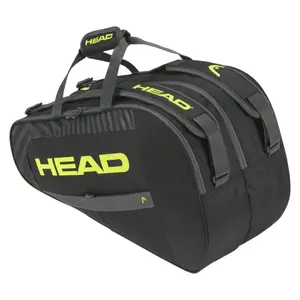
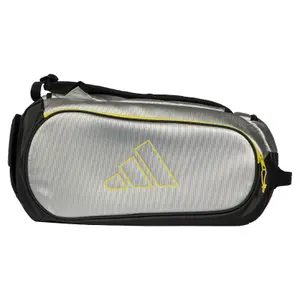
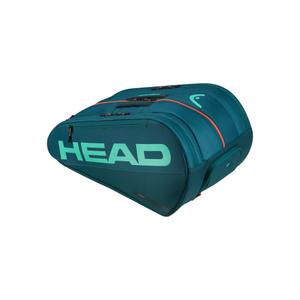
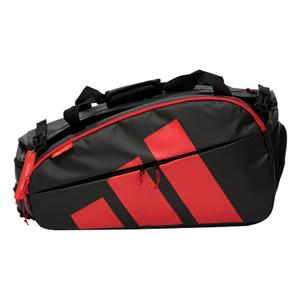
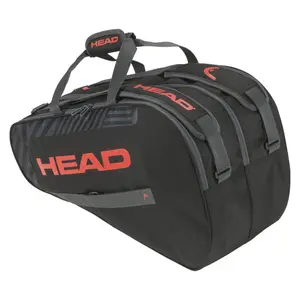
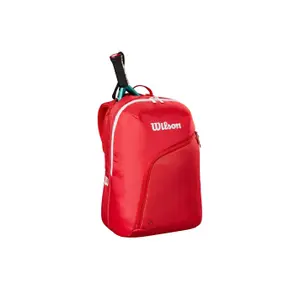
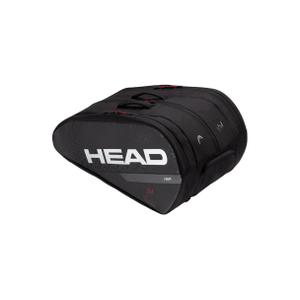
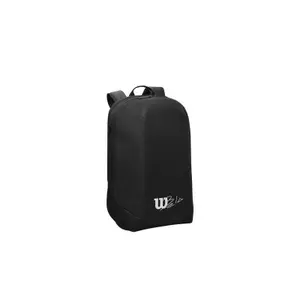
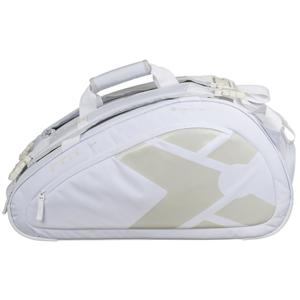
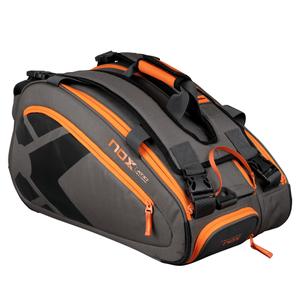
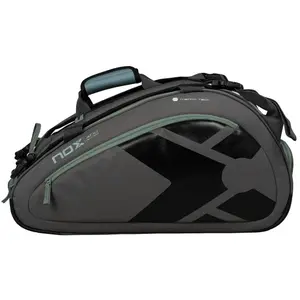
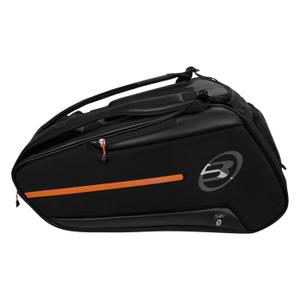
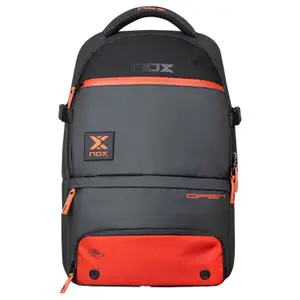
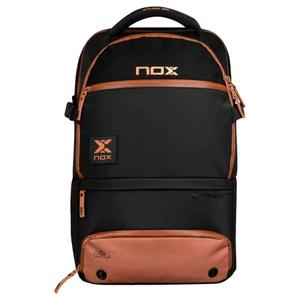
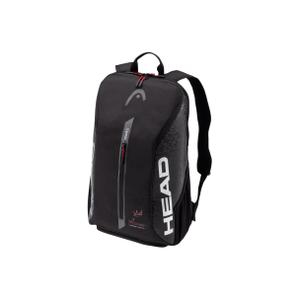
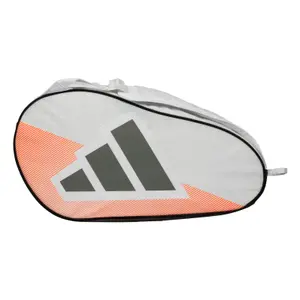
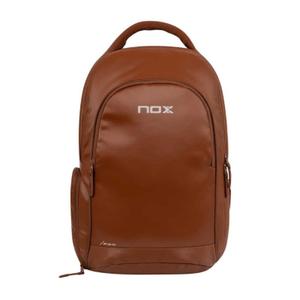
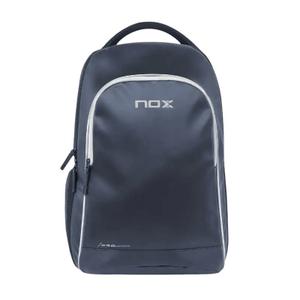
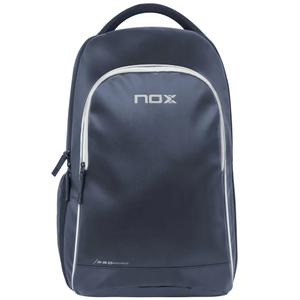
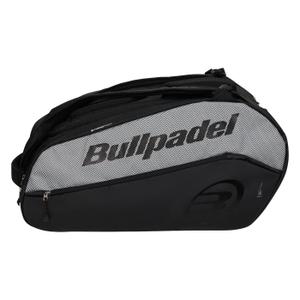
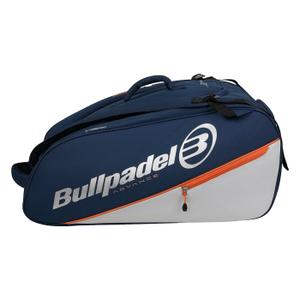
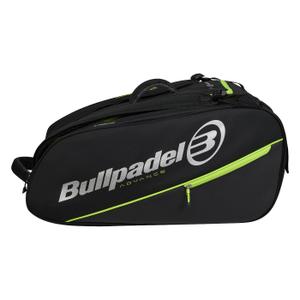
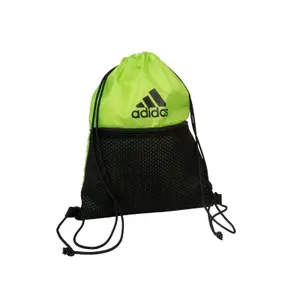
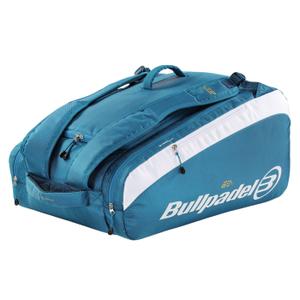
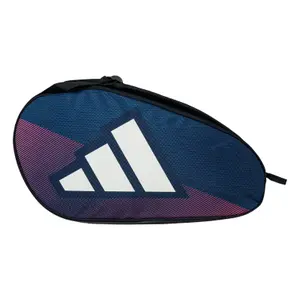

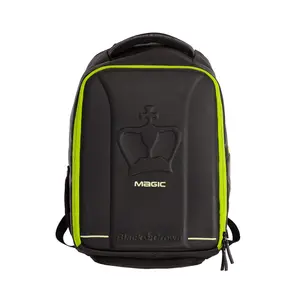
The clearance sale for padel bags features racket bags from end-of-line stock, such as the Head CCT and the Cuera Oncourt Medium, as well as backpacks and wheeled bags for padel players. An insulated compartment for rackets, a ventilated pocket for shoes, and carrying straps: everything you need to transport all your gear from the club to the car.
All your gear in one bag, at a discounted price.
Racket bag, backpack or trolley bag
The racket bag, rectangular in shape, called paletero in Spain, where padel has millions of players, holds two rackets or more, the outfit, shoes, and balls: it’s the format for players who play several times a week or go to tournaments. The Cuera Oncourt Medium, of intermediate size, is suitable for the regular player who wants the essentials without clutter. The backpack with a racket compartment is enough for a game after work, with one racket and a change of clothes. The trolley bag, finally, is for players who travel by plane for competitions or training camps. The choice depends on the number of rackets and the mode of transport.
Other clearance items
The padel clearance also includes:
All the clearance items are gathered on the padel page.
Thermal compartment: protecting rackets and balls
A padel racket has a foam core, EVA or foam, sandwiched between two faces made of fiberglass or carbon: the heat of a car boot in the summer softens the foam and can delaminate the layers, while the cold of winter hardens it and weakens the frame. The thermal compartment, lined with an insulating, often reflective layer, limits these temperature variations during transport. The balls also benefit: their internal pressure varies with the temperature, and balls kept at a stable temperature maintain their bounce better. Even well insulated, a bag should not be left for hours in a car under the sun.
Ventilated pocket and storage for shoes and outfit
After a match, the shoes bring sand from the synthetic grass court, and the outfit is soaked in sweat: the ventilated pocket, separated from the rest, isolates them from the rackets and allows air to circulate through its mesh panels. A small lined pocket, often placed on the top, protects phone, keys, and glasses from knocks. The side pockets can hold a water bottle or tubes of balls, and an inner pocket is for spare grips. Head, a brand founded in 1950 by American engineer Howard Head, offers models like the CCT. On a racket bag, straps allow it to be carried on the back, leaving hands free to open the club doors.
Maintaining your padel bag
A padel bag lasts longer if it is emptied after each session: damp shoes, outfit, and towel left locked in overnight promote mould and odours. Shake the sand out of the pockets and seams over a bin, then wipe the outside with a damp cloth and mild soap. The washing machine should be avoided: it distorts the rigid reinforcements and damages the insulating lining. Keep zippers clean, without sand in the grooves, to prevent them from jamming at the wrong time. Stored flat in a dry place, pockets open, the bag retains its shape and doesn’t smell musty.
Frequently asked questions
How many rackets can a padel bag hold?
A medium-sized bag fits two rackets, while a large competition bag can hold up to three or four in its separate compartments. The backpack, on the other hand, usually only accommodates one racket, sometimes two if they are tightly packed.
Can a padel bag travel in the cabin?
This depends on its dimensions and the airline: a backpack or a medium racket bag often fits as carry-on luggage, but a large bag rarely does. Check the maximum allowed measurements before departure to avoid having to check it in.
How can I prevent bad odours in a sports bag?
Never leave damp clothing in the bag, air it out with pockets open after use, and slip a sachet of baking soda or activated charcoal into the shoe pocket. A shoe deodorising spray complements maintenance.
Does a racket stored in a bag need a cover?
The cover protects the surface and frame from friction against keys, tubes of balls, or another racket. In a bag with separate compartments, it remains useful when the racket travels outside of the bag or shares its pocket.
Trolley bag: for which player?
It suits players who travel for tournaments or training camps: it carries multiple rackets and outfits without weighing down the back. For getting to the club by car, a classic racket bag is more practical.






