
Padel shoes on clearance


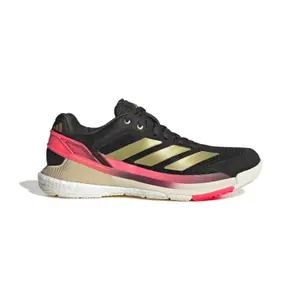

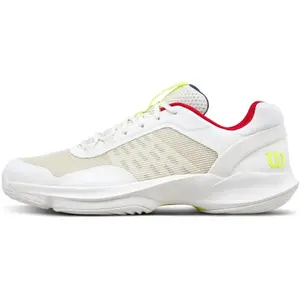


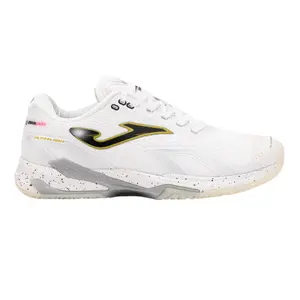


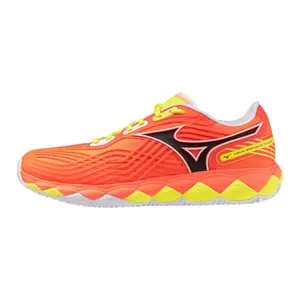


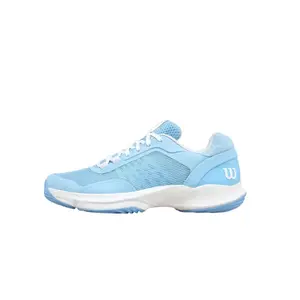
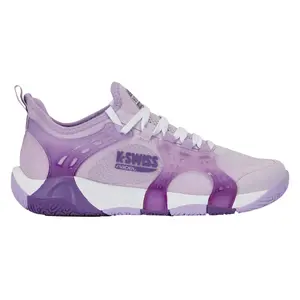

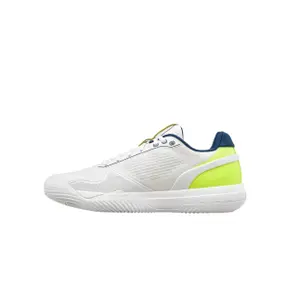

The padel shoes gathered here in the end-of-line series cover all profiles, men and women: Head Motion Pro and Sprint Pro, Asics Gel-Dedicate, Gel-Challenger and Sonicsmash, Mizuno Wave Exceed and Wave Enforce, Babolat Premura, Wilson Hurakn, adidas Crazyquick and Courtquick, Joma Slam, Hummel Court Control and K-Swiss Ultra Court. All have a sole designed for sand-filled synthetic grass.
A pair of padel shoes from a previous generation, for a softer price.
Chevron sole, omni or mixed: which one to choose
The sole is chosen based on the club's surface. The chevron pattern, in spike or zigzag, is the most common: its grooves disperse sand and grip the synthetic grass, which limits slipping during direction changes. The omni sole, covered with small studs, has long been used on heavily sanded courts; on newer, less sandy grass, it offers less grip and wears out faster. The mixed soles combine the two, with chevrons at the front and studs under the heel. Models designed for clay courts, like the Head Sprint Pro Clay, feature a similar chevron design and play very well for padel.
Other clearance items
The padel clearance also includes:
- Rackets.
- Textiles.
- Accessories, balls and overgrips.
- Bags.
All clearance items are gathered on the padel page.
Lightweight or stability: two player profiles
The agile player, who rushes to the net and makes quick stops, looks for a light and low pair: the Asics Sonicsmash, the Asics Game or the adidas Crazyquick prioritize responsiveness and ground feel. The more powerful or heavier player, who strikes a lot from the back of the court and absorbs hard landings, needs stability: the Mizuno Wave Enforce, the Babolat Premura or the Asics Gel-Dedicate offer a well-supported heel and more generous cushioning. The Head Motion Pro sits between the two, and its Boa version replaces laces with a dial that tightens the shoe evenly.
Women's models: fit and weight
The women's versions are not just simple colour variations: they are based on a narrower shape at the heel and a reduced volume over the foot, so that the foot does not float during lateral movements. They are also lighter for the same size, which relieves the calves during long matches. The Head Sprint Pro and the Head Motion Pro for women, the Asics Gel-Dedicate for women or the Joma Ultra Light are suitable for regular female players, while the adidas Crazyquick for women appeals to those who play fast. A woman with a wide foot can also wear a men's model, going down a size: size charts differ by half a size to one size.
Sole wear on sandy grass
The sand covering the synthetic grass acts as an abrasive, and a padel shoe wears primarily at the forefoot, where players brake and pivot, then on the inner edge. When the chevrons are worn down in these areas, grip declines and the risk of sprain increases: it's time to replace the pair, even if the upper looks intact. Models with reinforced rubber, like the Mizuno Wave Exceed or the Asics Gel-Challenger, last longer for players who play several times a week. Padel shoes are reserved for the court: tarmac wears down the rubber in just a few trips, and a brush after every match removes the sand trapped in the grooves.
Frequently asked questions
Can you play padel with running shoes?
This is not recommended: the running sole, designed for moving straight ahead, does not grip on the sand and poorly supports the ankle during lateral movements. The risk of slipping and twisting is real from the very first rallies.
Should you take a half size up for padel?
Stick to your usual size, tried on with sports socks. The foot swells a little with exertion, but shoes that are too big cause the foot to slide during braking and lead to blisters under the toes.
What is the Boa tightening system on a padel shoe for?
The Boa system replaces laces with a thin cable and a dial. It distributes pressure evenly over the top of the foot and can be adjusted with a quarter turn between matches, posing no risk of laces coming undone during a rally.
Which padel shoe to start with?
A beginner should choose a versatile pair, with a chevron sole, proper cushioning and good heel support. There's no need to aim for a competition model: stability is more important than lightweight for learning movements.
Which padel shoe for a wide foot?
Try shoes later in the day when the foot is at its largest, and check that the toes do not touch the sides. Some models are available in a wider fit, and a men's fit often helps a woman with a wide foot.






