
Women's Running Shoes on Sale

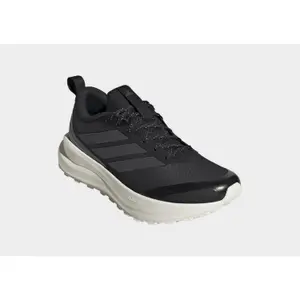
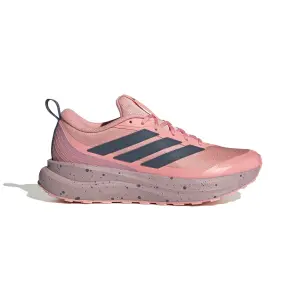
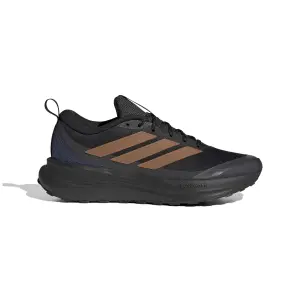


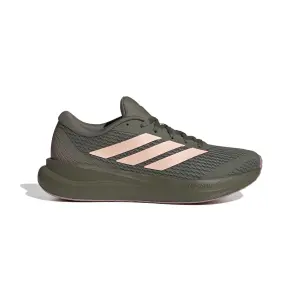


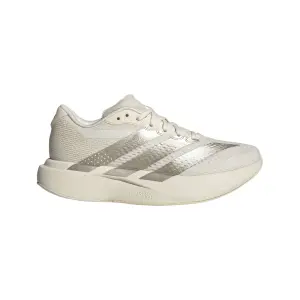
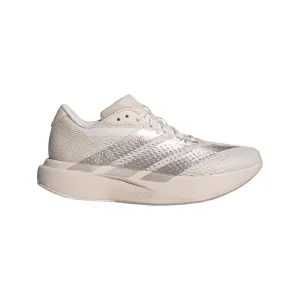


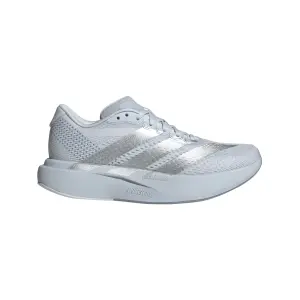
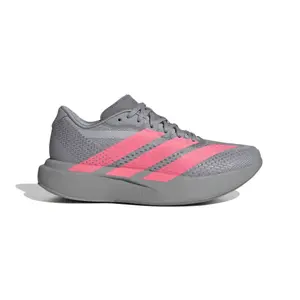


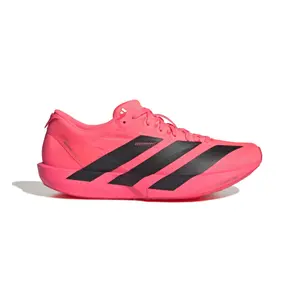


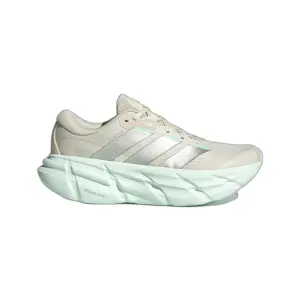
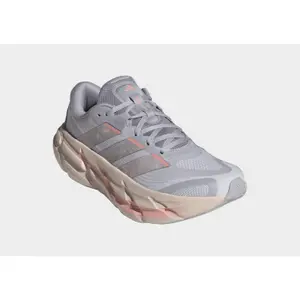
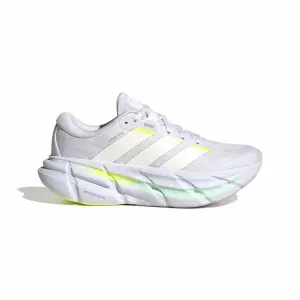
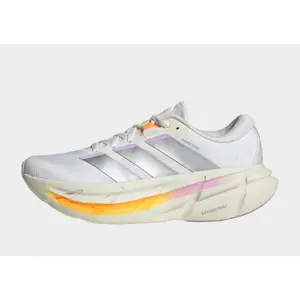
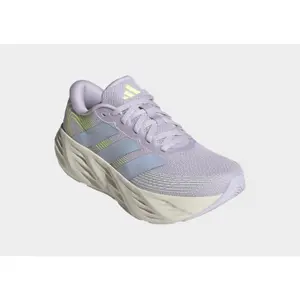
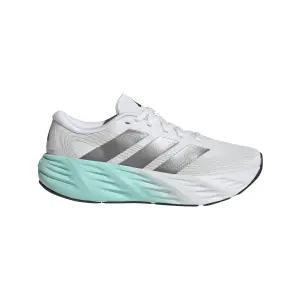
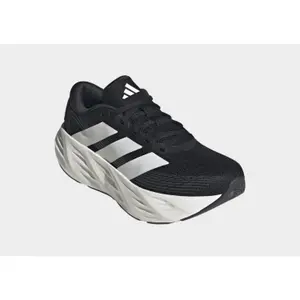
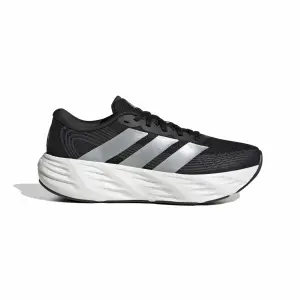
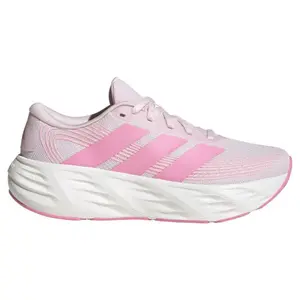
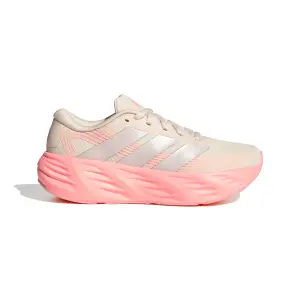
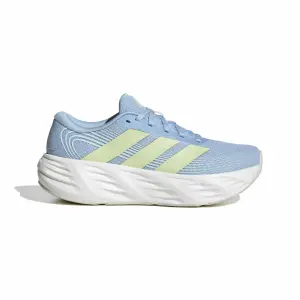
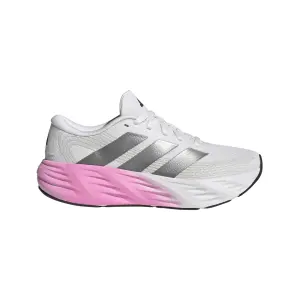
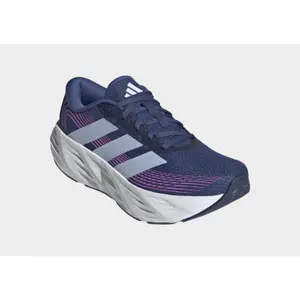


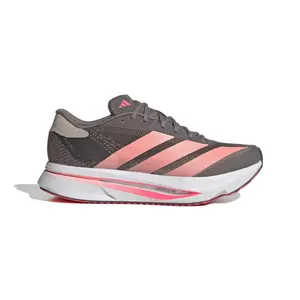

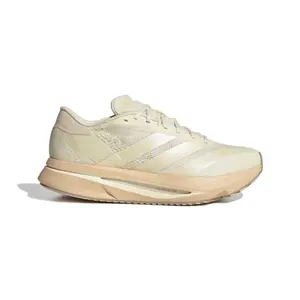


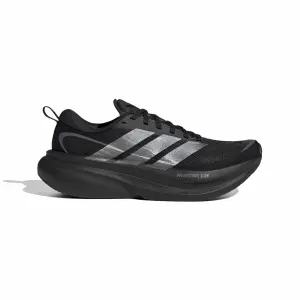
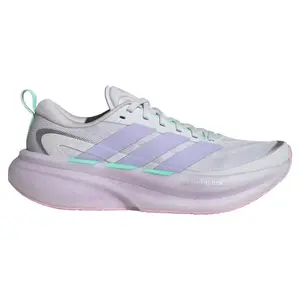
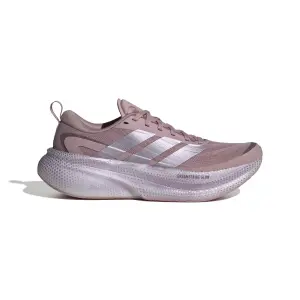

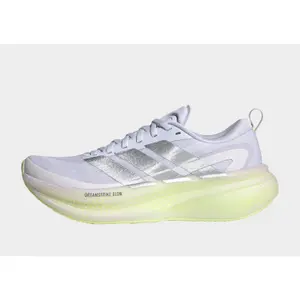
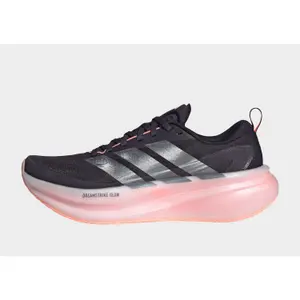
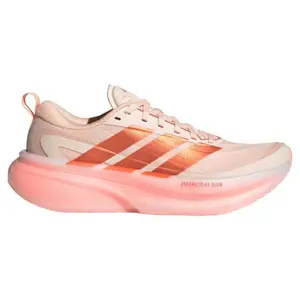
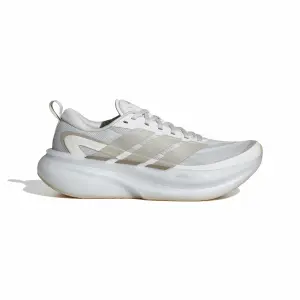

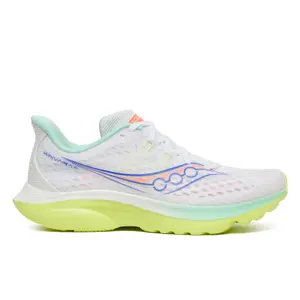
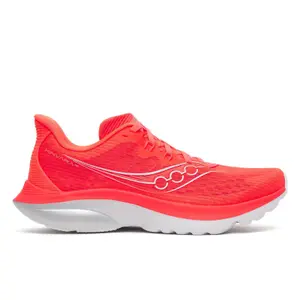


The clearance women's running shoes features end-of-line pairs designed on a feminine shape: adidas Supernova, Adizero and Runfalcon, Asics Novablast, Nike Vomero, Puma Deviate Nitro, Saucony Kinvara, 361°, Craft or CMP. From the first pair to get back to running to the plate shoe aimed at achieving a time, every runner will find a model suited to their stride.
The previous version of their running shoe, at a softer price.
What sets women's running shoes apart
A women's running shoe is not just a smaller version of a man's. It is designed on a different shape: a narrower heel, a slimmer forefoot, and often a lower instep, so that the foot doesn't float in the upper. The cushioning is sometimes set softer, as a lighter runner exerts less pressure on the outsole with each step. The sizes also start lower, around 35 or 36, while men's models often start around 39 or 40. However, a runner with wide feet might feel better in a unisex model: only personal trial can decide, at the end of the day and with running socks on.
Other clearance items
The running clearance is also available in:
All clearance items are gathered on the running page.
Cushioning, versatility, or carbon plate: three uses
For jogs and long runs, a shoe with generous cushioning protects the legs: the Nike Vomero combines two foams, ZoomX and ReactX, while the Asics Novablast focuses on a high, bouncy sole, and the adidas Supernova prioritises everyday comfort. To vary the pace, lighter models like the adidas Adizero Evo SL or the Saucony Kinvara, with a four-millimetre drop, are ideal for interval training and rhythm runs. Finally, competition shoes with a plate, such as the adidas Adizero Adios Pro or the Puma Deviate Nitro, stiffen the stride and return more energy: these should be reserved for fast sessions and race day.
Road, trail, or treadmill: matching the sole to the terrain
On asphalt, a smooth, continuous rubber sole is sufficient. For park paths, riverbanks, or dirt trails, the ATR versions from adidas, like the Supernova Rise ATR or the Runfalcon ATR, add more pronounced lugs without losing road comfort. The CMP Rahmsy, a multifunctional shoe, transitions from pavement to easy trails. On a treadmill, indoors, a lightweight and flexible shoe like the adidas Duramo SL does the job. As soon as the terrain becomes muddy, steep, or rocky, a proper trail shoe, which is more grippy and protective, is needed that no road model can replace.
Size, half-size, and lifespan of a pair
You should choose your running size a half size larger than your everyday size, as your feet swell when exercising: you need to keep half to one centimetre in front of your big toe. The heel should stay snug without slipping during uphill runs. Each brand has its own fit, and comparing your foot length to the manufacturer's size guide can avoid unpleasant surprises. A pair typically lasts between six hundred and eight hundred kilometres: beyond that, the cushioning compresses, even if the sole looks intact. Any new discomfort in the knee or shin is often the first sign that it’s time to change shoes.
Frequently asked questions
Which pair should I choose to start running?
A cushioned and stable shoe, like the adidas Runfalcon or the Supernova, is very suitable for first outings. It should be comfortable from the first try, without any pressure points, before moving on to more dynamic models later.
How to fit a wide foot when running?
Look for a soft mesh upper and a generous forefoot, or try a unisex model, which is often wider than a women's fit. Toes should be able to spread without touching the sides of the shoe.
What is the drop of a running shoe?
The drop is the height difference between the heel and the forefoot, measured in millimetres. Around eight to ten, it eases the Achilles tendon; a low drop, like on the Saucony Kinvara, requires gradual adaptation.
Can I machine wash my running shoes?
It's not recommended, as hot water and spinning damage the foams and adhesives. Remove the laces and insole, scrub the upper with a soft brush and soapy water, then let it dry at room temperature.
Do you need a special shoe if you're overpronating?
Not necessarily: most female runners do very well with a neutral shoe. Significant overpronation, visible from wear on the inside edge of the heel, may warrant a stable model, to be confirmed with a podiatrist.






