
Men's running shoes on clearance


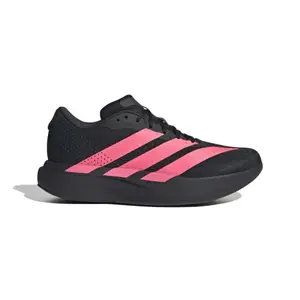

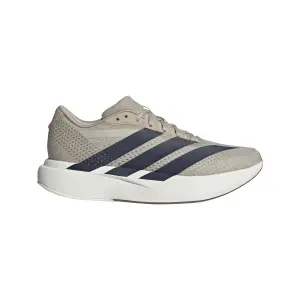
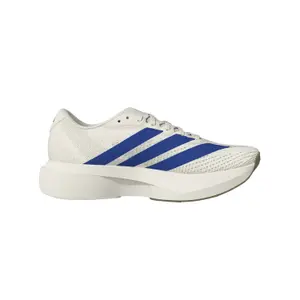
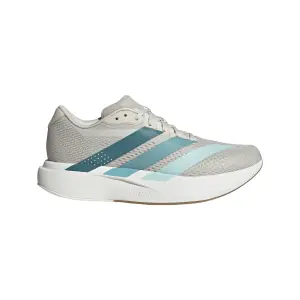


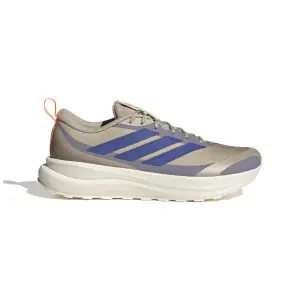


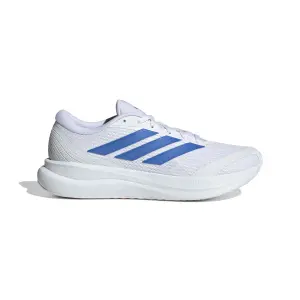

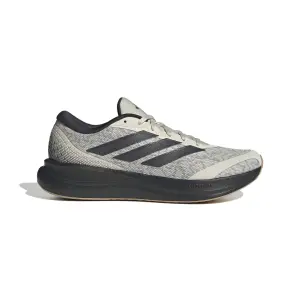

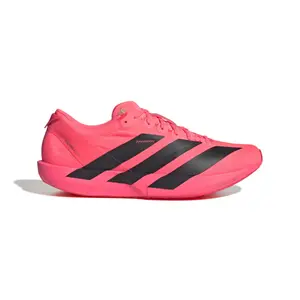
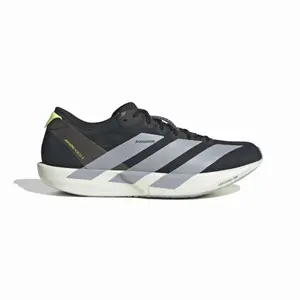
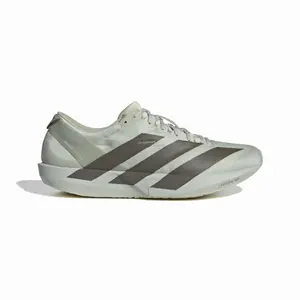

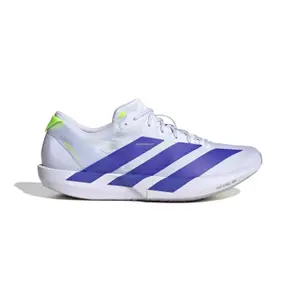


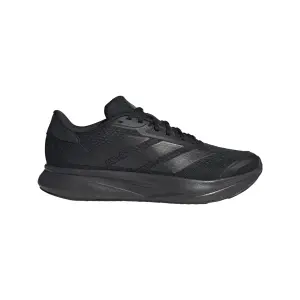
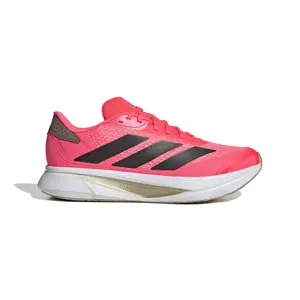


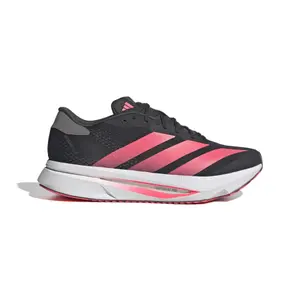


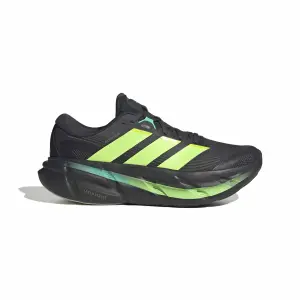

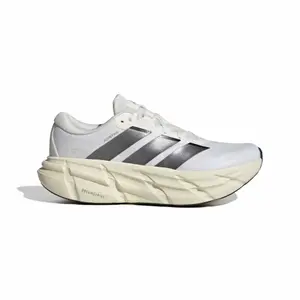
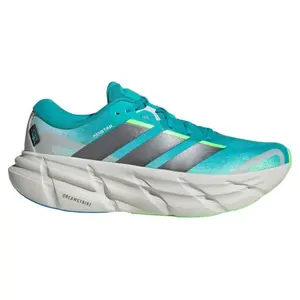
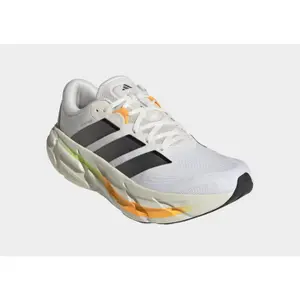
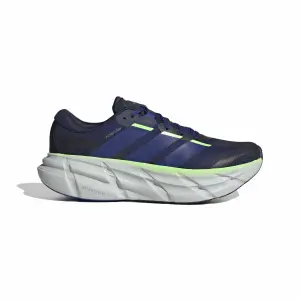
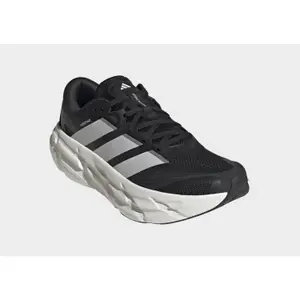

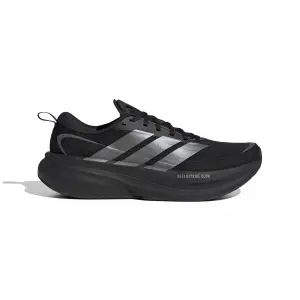
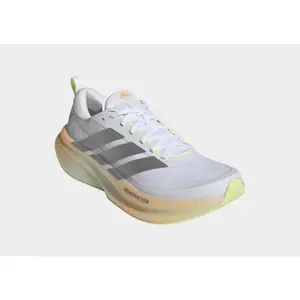
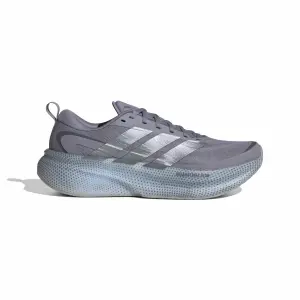
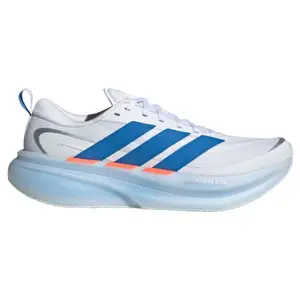
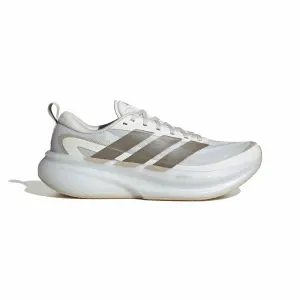
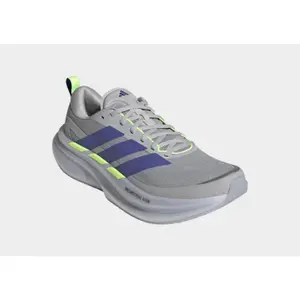
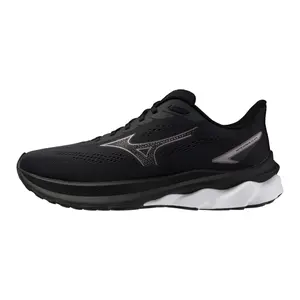
This page brings together men's running shoes from the end of the range, from versatile training pairs to competition models with plates. adidas dominates with the Adizero, Hyperboost, Runfalcon and Duramo, alongside Puma, Nike, Topo Athletic and Skechers: enough to equip the man who is getting back into running as well as the marathon runner preparing for a time, on roads or trails.
The previous version of his favourite shoe, for a softer price.
Cushioning, dynamism or speed: three families of shoes
A men's running shoe is primarily classified into one of three families. The cushioned training models, like the adidas Hyperboost or the Nike Vomero, stack thick, soft foam to absorb the impact during jogs and long runs without wearing out your legs. The dynamic models, like the adidas Adizero Evo SL, use the Lightstrike Pro foam but without a rigid plate: they're suitable for interval training as well as half-marathons. The competition shoes with a plate, like the Adizero Adios Pro with its carbon plates or the Puma Deviate Nitro with its PWRPLATE, stiffen the stride to return more energy at a fast pace.
The other clearance items
The running clearance also includes:
- Women's Shoes.
- Men's Clothing.
- Women's Clothing.
- Junior.
- Equipment, watches, belts, and lamps.
All clearance items are gathered on the running page.
Starting out or running once or twice a week
To get back into running or to go out once or twice a week, a simple and well-cushioned shoe is more than enough. The adidas Runfalcon, with its soft Cloudfoam, and the adidas Duramo SL, lighter thanks to its Lightmotion foam, are great for thirty-minute to one-hour runs on roads and in parks. The ATR version of the Runfalcon adds a sole with more pronounced lugs for off-road paths and gravelled paths. Heavier runners, around ninety kilos or more, will benefit from choosing a generous cushioning, like that of the Skechers Max Cushioning Endeavour, and a wide sole that stabilises foot landing.
Drop, width and size: properly fitting your foot
The drop measures the height difference between the heel and the front of the foot. Most models from adidas, Nike, or Puma range between six and ten millimetres, which relieves the Achilles tendon for runners who land on their heels. Topo Athletic, founded in 2013 by Tony Post, instead offers a low drop and a wide toe box that allows the toes to spread out: a good choice for wide feet, to be adopted gradually. In terms of size, it's best to keep about a centimetre between the big toe and the end of the shoe, as the foot swells during exercise; many runners therefore go for half a size up from their regular shoes.
Lifetime of a pair and rotation between two models
The foam in a running shoe compresses over the kilometres: generally, you should replace it after around five hundred to eight hundred kilometres, less for heavier runners or for a very light racing shoe. The most responsive foams, like that of the Adizero Adios Pro, are also the most fragile: they should be kept for speed sessions and on race day. A runner who goes out three or four times a week benefits from rotating between a cushioned pair for endurance and a dynamic pair for speed, with each foam recovering between runs. A smooth sole under the forefoot or new pains signal that it's time to change.
Frequently asked questions
Do you need trail shoes to run on paths?
On a dry and even path, a road shoe with a grippy sole, like the Runfalcon ATR, works perfectly well. Once the terrain becomes muddy, steep, or rocky, a trail shoe with deep lugs and a protective upper becomes necessary.
How can you tell if you are flat-footed?
The wear on an old pair gives a first clue: excessive wear on the inner edge of the heel indicates marked pronation. A gait analysis with a podiatrist confirms this, but most runners do very well with a neutral shoe.
Is a carbon plate suitable for a beginner runner?
Rarely: the plate only provides its benefit at a sustained pace, and its stiffness puts a lot of strain on the calves and the Achilles tendon. A beginner progresses better with a cushioned shoe and saves the plate for races once their gait is established.
How should you lace your running shoes to avoid blisters?
The so-called marathon lacing uses the last eyelet, often left free, to form a loop that locks the heel in place. The foot no longer slides forward during descents, which prevents friction under the toes and black toenails.
Can you machine wash running shoes?
It's better to avoid it: heat and the drum can damage the foam and detach the sole. Brush off the dry mud, clean the upper with lukewarm soapy water, then let it air dry, filled with newspaper, away from a radiator.






