
adidas in a private sale
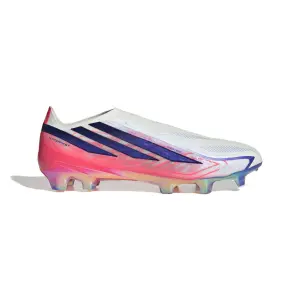
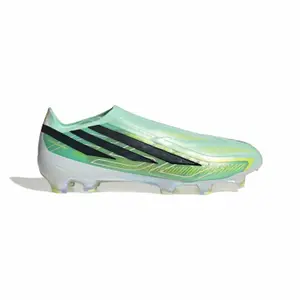
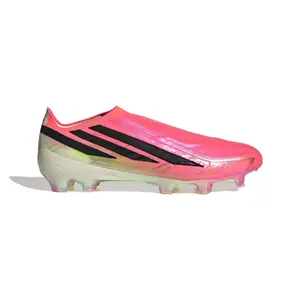
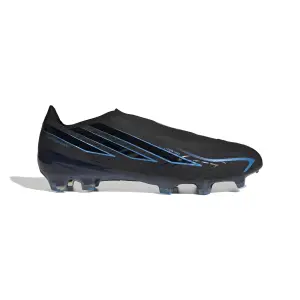
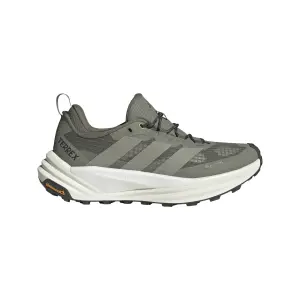
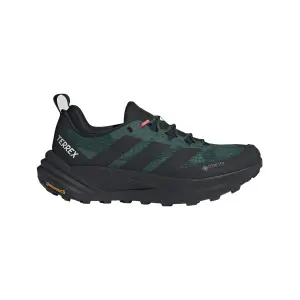
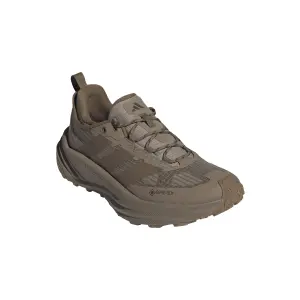
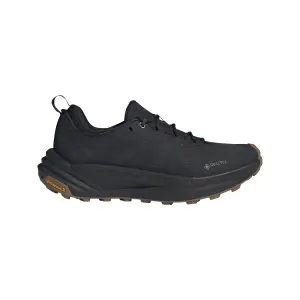


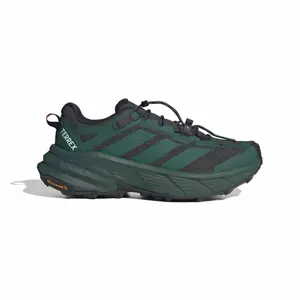


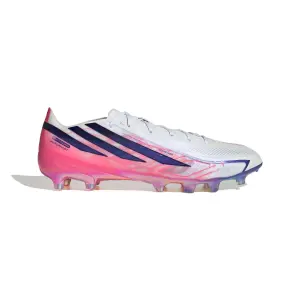
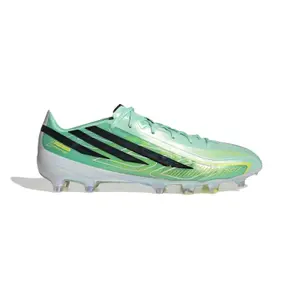
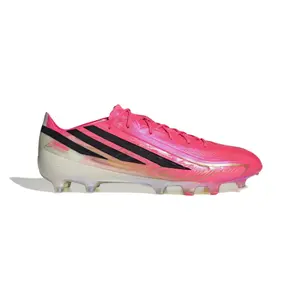
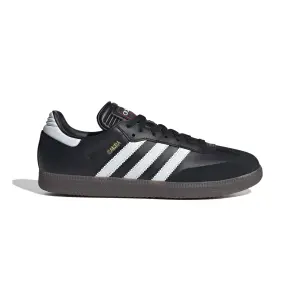


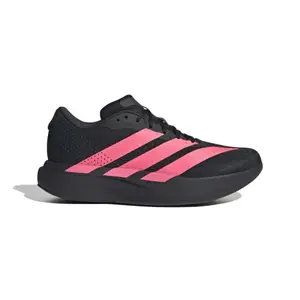


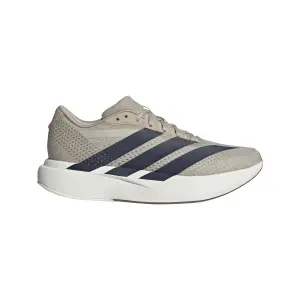
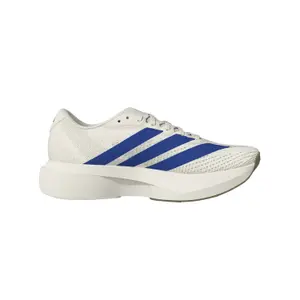

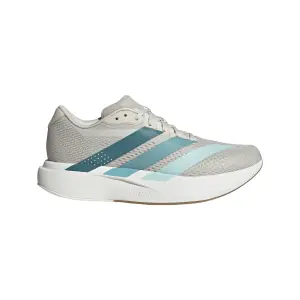


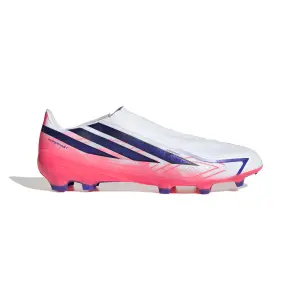
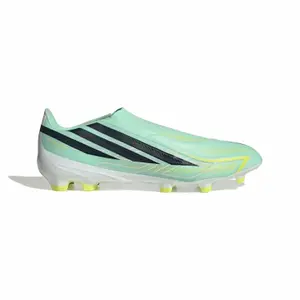
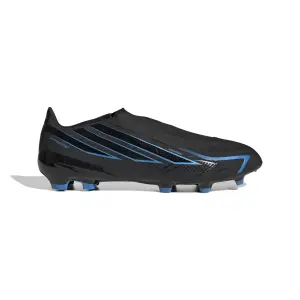


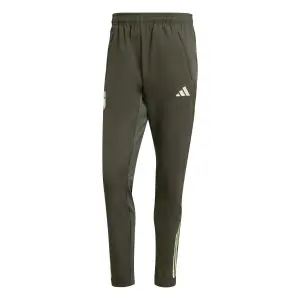
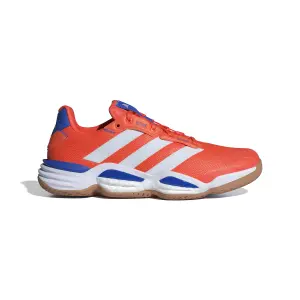
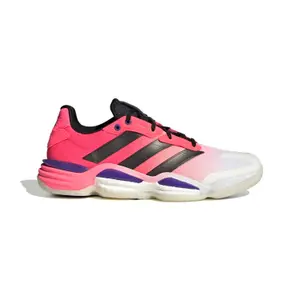
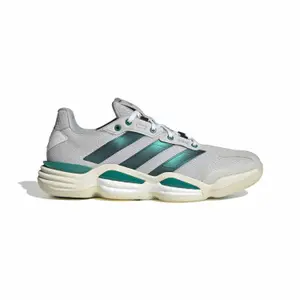
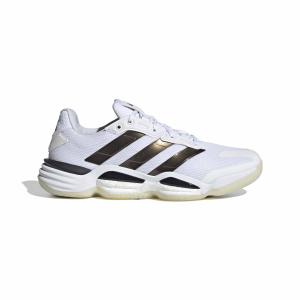
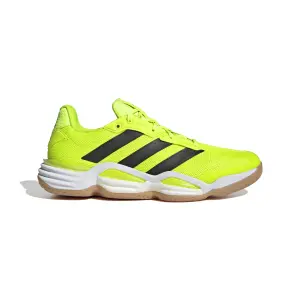


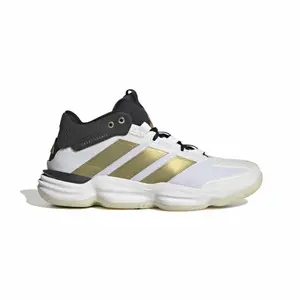
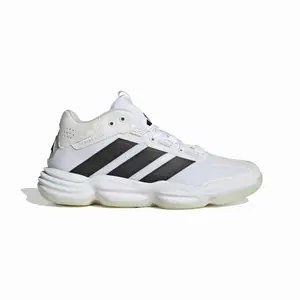
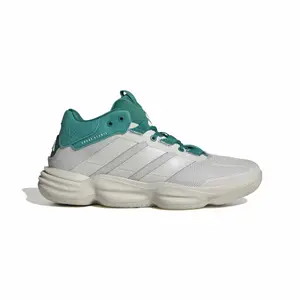

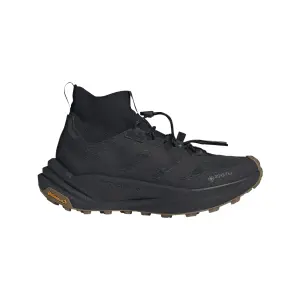
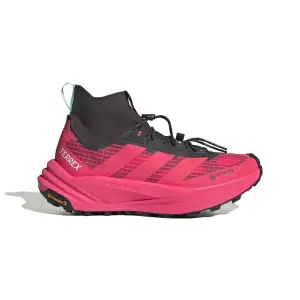


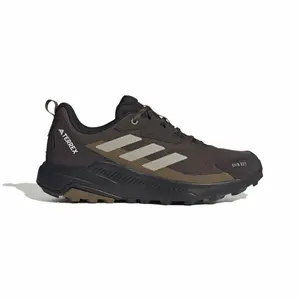


The private sale adidas brings together shoes, clothing and accessories from the three-stripe brand: Originals sneakers like the Samba, Gazelle, Superstar or Spezial, Adizero and Supernova running shoes, Predator and F50 football boots, and sportswear, from tracksuits to jerseys.
The three-stripe brand, at a discounted price for the duration of the event.
From Adi Dassler to Herzogenaurach: the origin of adidas
The adidas brand gets its name from its founder, Adolf "Adi" Dassler, who registered it in 1949 in Herzogenaurach, Bavaria, where its headquarters still are. A passionate shoemaker and sports enthusiast, he had been making shoes since the 1920s with his brother Rudolf, before the two men parted ways. Adi Dassler built the brand's reputation on competition shoes: track spikes, football boots, and models tailored for each sport. West Germany’s victory in the 1954 World Cup, with players wearing screw-in studs, showcased his innovations far beyond Germany.
The other brands
The private sales brands also include:
- Puma, founded by Adi Dassler's brother.
- Asics.
- Hummel, teamwear and handball.
- Kempa, a specialist in handball.
All brands are gathered on the brands page.
Three stripes, clover, and Performance logo: the brand's emblems
The three stripes originated from a technical detail: sewn on the side of the shoe, they reinforced the upper and held the foot in place. They became adidas' signature as early as the 1950s, first on shoes and then on clothing. The clover, designed in 1971 and appearing on products the following year, now represents the lifestyle Originals line, which reissues archive models. The logo with three slanted bars, created in the early 1990s by designer Peter Moore for the Equipment line, identifies performance products, from running to football, and is recognizable on both jerseys and competition shoes.
Samba, Gazelle, Superstar, Spezial: the Originals icons
Several sneakers adidas were born on the sports fields. The Samba was designed in the early 1950s for training in football on frozen ground, hence its sticky rubber sole. The Gazelle, launched in the 1960s as a training shoe, is recognizable by its soft suede upper. The Superstar, a basketball shoe from 1969, popularised the rubber shell toe before being embraced by hip-hop with Run-DMC in the 1980s. The Spezial, designed for indoor handball, has become a classic on British terraces. All have left the field for the city without changing shape.
Adizero, Supernova, Predator: adidas in performance
On the running side, adidas distinguishes two families: the Adizero range, lightweight and responsive, with the Adios Pro being the marathon shoe with carbon uppers, and training models like the Supernova, which have more cushioning for absorbing miles. The brand made history in cushioning in 2013 with Boost, developed with a German chemist from thousands of expanded thermoplastic polyurethane beads. In football, the Predator, launched in 1994, focuses on shot precision, while the F50 emphasises speed. In private sales, quantities are limited: you check your foot length in centimetres on the size guide before ordering.
Frequently asked questions
How do adidas shoes fit?
Most adidas models fit true to size. Finer silhouettes like the Samba or Gazelle fit narrow: wide feet may need to go up half a size.
How to clean Samba or Gazelle in suede?
Suede should be brushed dry with a crepe or brass brush, in the direction of the nap. Stubborn stains can be removed with a special eraser, then a waterproof spray protects the pair from moisture.
Do adidas clothes fit large?
adidas clothing follows standard European sizes, with a fit specified on each sheet: fitted, standard, or loose. Originals pieces, which are often looser, are taken in your usual size for a relaxed fit.
How to spot authentic adidas?
An authentic pair has an inner label with an article code identical to that on the box, and even stitching. The three stripes are perfectly aligned, and the logo is printed or embroidered without any smudges.
Which adidas to choose to start running?
To start, a simple and well-cushioned model, like the Runfalcon or Duramo, is enough for one to three outings a week. More technical ranges are justified when the training volume increases.






