
Puma in a private sale
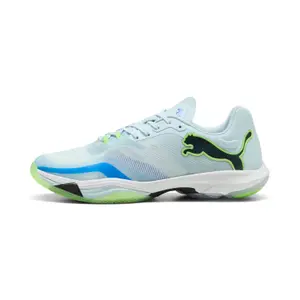
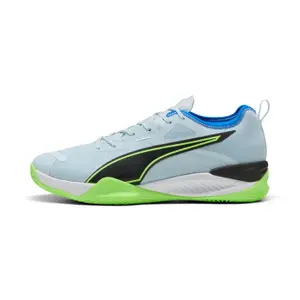


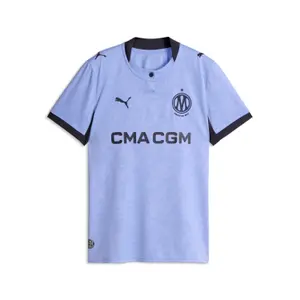
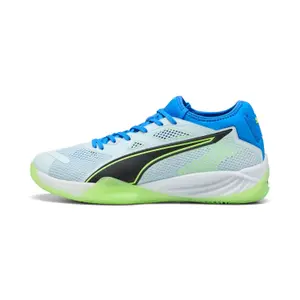


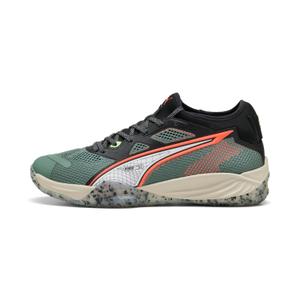


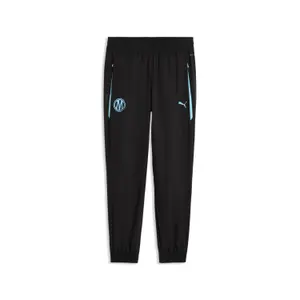
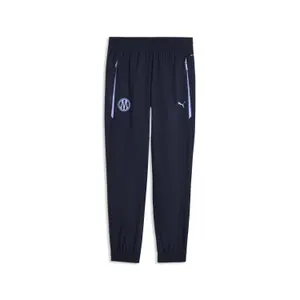
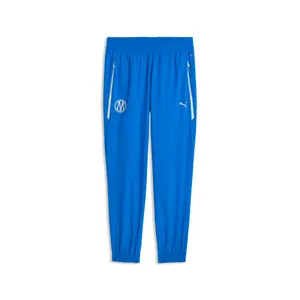
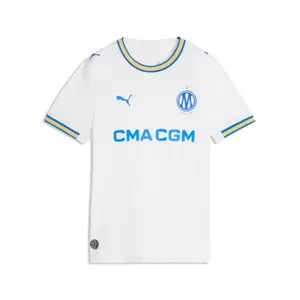


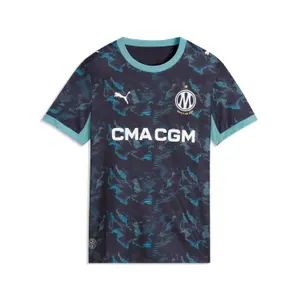
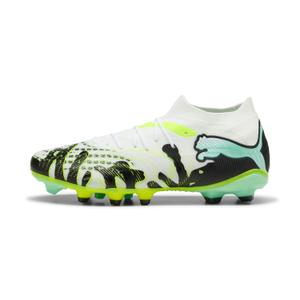


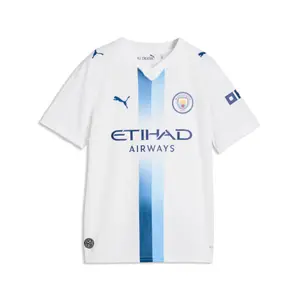
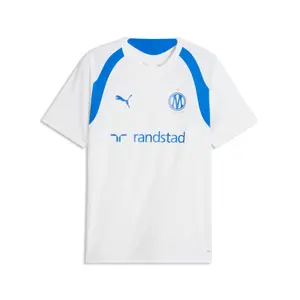
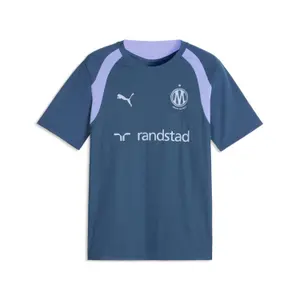
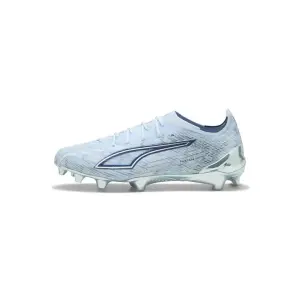
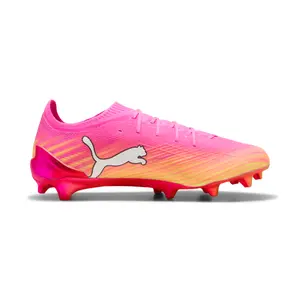
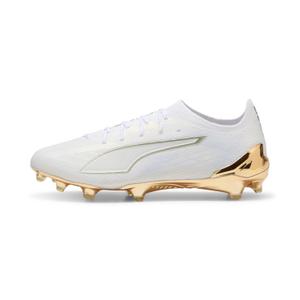
The private sale Puma brings together for a limited time the items from the feline brand: football boots Future, Ultra and King, training clothes, club and national team jerseys, sneakers from the 1960s and 1980s like the Suede or the Palermo, and accessories. A brand born in football, which also outfits runners, athletes and style enthusiasts.
The feline brand, at reduced prices during the operation.
Football, running, fitness and lifestyle : the worlds of Puma
Puma now covers several distinct areas. Football remains its historical heart, with its shoes and the jerseys of clubs and national teams it outfits. Running relies on Nitro foam, nitrogen-injected for increased lightness and bounce, found in the Velocity and Deviate models. The brand also supports HYROX, the fitness race, from the very first event held in Hamburg in 2018. Lastly, the lifestyle line draws from the archives: suede sneakers, models born from the stands, and footwear inspired by motorsport.
Other brands
Private brand sales also include:
All brands can be found on the brands page.
Rudolf Dassler, Herzogenaurach and the Formstrip
Puma was born in 1948 in Herzogenaurach, Bavaria, when Rudolf Dassler split from his brother Adolf, the founder of adidas in the same town. He initially registered the name Ruda, a combination of his first and last name, before choosing Puma, a feline associated with speed and agility. In 1958, just before the World Cup held in Sweden, the brand patented the Formstrip, a side leather band that enhanced foot support and still adorns most of its shoes. The leaping feline, added later to the logo, completes this recognizable visual identity.
Future, Ultra and King : three football boots
The King is the oldest: launched in 1968 in tribute to Eusébio, it was worn by Pelé during the 1970 World Cup, won by Brazil. Its soft leather upper offers a classic touch, appreciated by playmakers. The Future focuses on support and agility, with an upper that adapts to the foot, for players who dribble and change pace. The Ultra, designed for speed, minimizes weight to the minimum. Each model comes in outsoles for dry, wet, or synthetic ground, as well as in versions without studs for futsal.
Suede, Palermo and Speedcat : the classics in town
The Suede, a suede sneaker first introduced in 1968, made history at the Mexico Olympics, worn by Tommie Smith on the podium for the two hundred meters, before becoming an icon of hip-hop and breakdancing. The Palermo, with a rubber sole and suede upper, was born in the 1980s football scene and was adopted by English terraces. The Speedcat, with a low profile and rounded toe, is inspired by racing driver shoes, hence its slim fit close to the foot. All are recognizable by the Formstrip and come in either solid or contrasting colours.
Frequently asked questions
Which country is Puma from?
Puma is a German brand, founded in 1948 and its headquarters is still located in Herzogenaurach, Bavaria. It’s also the town of adidas: the two brands emerged from the split between the Dassler brothers.
Which Puma to choose for HYROX?
These races alternate eight times a one-kilometre run and a fitness workshop: you need a stable and versatile running shoe, like the Deviate Nitro or the Velocity Nitro. These models have actually been released in competition colours.
How do Puma shoes fit?
Most models fit true to size. Low and narrow sneakers like the Speedcat or fitted football shoes feel tighter: if you have wide feet, take half a size up.
Which Puma for running a marathon?
The carbon plate and high-end Nitro models, like the Deviate Nitro Elite or the Fast-R Nitro Elite, are designed for performance in competition. For training and long runs, a more versatile Velocity Nitro takes care of your legs.
How to maintain Puma suede sneakers?
Brush the suede dry to lift the nap, remove stains with a special eraser and apply a waterproof spray before wearing them. Avoid the washing machine and excessive water, which hardens and stains the material.






