
Private sale of combat shoes
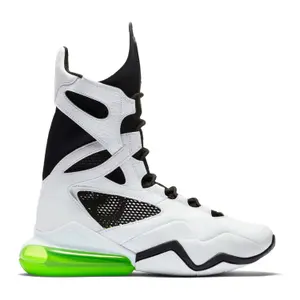
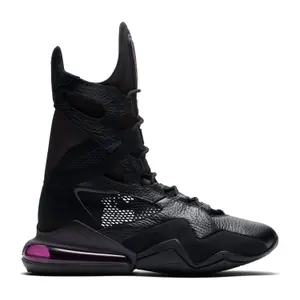
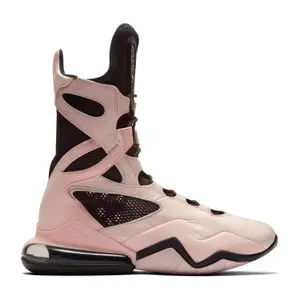
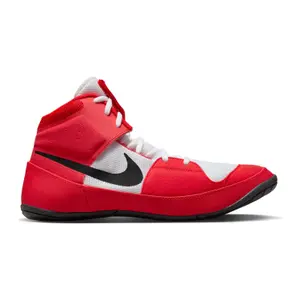
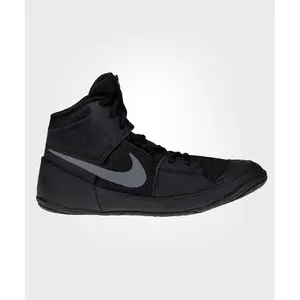
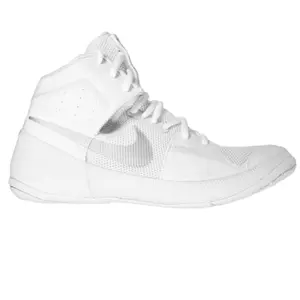
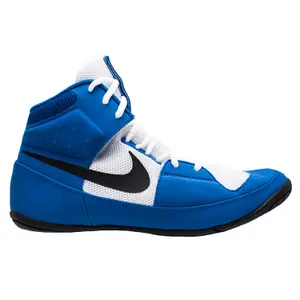

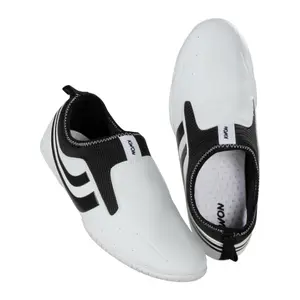
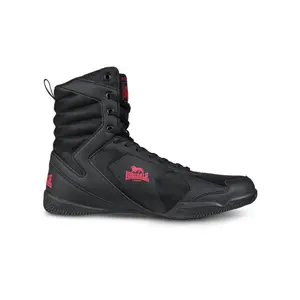
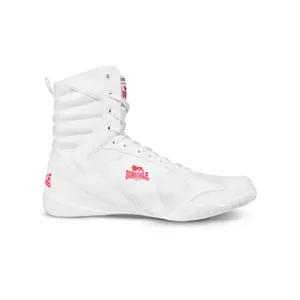
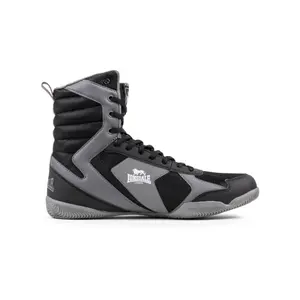
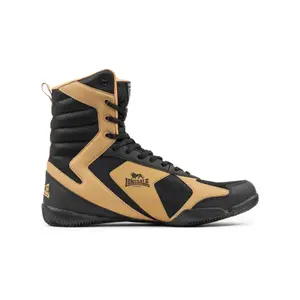
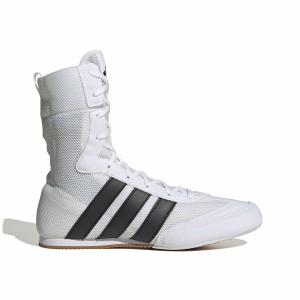

The private sales of combat sports shoes include wrestling shoes adidas HVC, Mat Wizard and Combat Speed and Nike Speedsweep, English boxing shoes adidas Speedex, Lonsdale, Punch, Leone, Metal Boxe, Benlee and Booster, as well as taekwondo shoes adidas and Kwon and tai chi shoes, available in adult and child sizes.
Sure footing on the mat and ring, at reduced prices.
Wrestling shoes: grip and high-top design
The wrestling shoe is a lightweight, flat-soled shoe that rises above the ankle, as required by the sport's regulations. Its fine, flexible rubber sole grips the mat for pushes, level changes, and leg entries. The adidas HVC, known for its lightweight feel and support, is available in children's sizes; the Mat Wizard and Nike Speedsweep are favourites in wrestling gyms, and the adidas Combat Speed is available in a women's version. The laces need to stay tied throughout the match: a double knot or a protective flap prevents them from coming undone.
The rest of the equipment
The private sales of combat sports also include:
All offers are gathered on the combat sports page.
Boxing shoes: lightweight and pivots
The boxing shoe is high-top and lightweight, with a flat, thin sole that lets you feel the floor of the ring and makes pivoting on the front of the foot easier. Its leather or suede upper, paired with breathable panels, keeps the ankle secure during lateral movements, like the Punch Rexton in leather or the Lonsdale Heskin. The adidas Speedex focuses on lightweight design for agile boxers. Lonsdale, founded in London in 1960 by former boxer Bernard Hart, takes its name from the Earl of Lonsdale, a prominent figure in British boxing, who also inspired the name of the belt awarded to British champions.
Taekwondo and tai chi: low and flexible shoes
On the competition floor, taekwondo practitioners fight without shoes. The taekwondo shoe is used for training on hard surfaces, warming up, or in a multipurpose gym: low and very flexible, it has a thin sole, often marked with a pivot point under the forefoot to aid in circular kick rotations. The adidas Adi Kick and the Kwon Dynamic, available in children's sizes, follow this principle. The tai chi shoe, with a flat sole and lightweight upper, supports slow sequences indoors or outdoors, allowing the foot to feel each weight shift.
Sizing and care for combat shoes
A combat shoe should fit snugly, almost like a slipper: a foot that slips inside loses precision in its footing and is at risk of blisters. It should be tried on with the thin socks intended for training, later in the day when the foot is slightly swollen. Leather and suede stretch a bit; synthetic mesh, much less. To maintain grip, reserve your shoes for the gym and the ring: asphalt wears down the rubber and embeds gravel that damages the mats. After a session, take them out of the bag and let them dry in the air, removing the insoles if possible.
Frequently asked questions
Can wrestling shoes be worn for boxing?
It's possible, as both share a high-top design and thin sole. However, wrestling shoes grip more, which can hinder pivots in the ring, while boxing shoes provide a smoother sole under the forefoot.
Are wrestling shoes suitable for grappling and MMA?
They are often used for grappling training on mats, where they protect the foot and improve grip. MMA fights, on the other hand, are conducted barefoot, and some gyms prohibit shoes on the mats.
How to choose wrestling shoes for a child?
You should get the exact size, with no significant margin: a shoe that’s too big slides on the foot and causes a loss of balance. A lightweight model that’s easy to lace up, like the adidas HVC in children's sizes, is ideal for beginners.
How long do boxing shoes last?
It all depends on training frequency and the surface. The wear of the sole under the forefoot, the pivot area, and the droop of the upper around the ankle signal when it’s time to replace them.
High-top or low-top boxing shoes: which to choose?
The high-top design, which rises above the ankle, provides support during lateral movements and limits sprains. The low-top design, lighter and more freeing, appeals to mobile boxers with strong ankles.






