
Tennis shirts from French Days


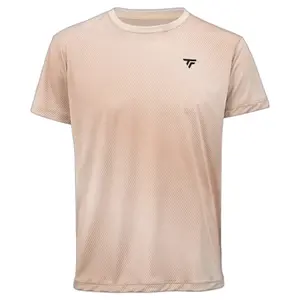


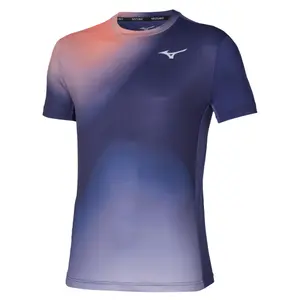
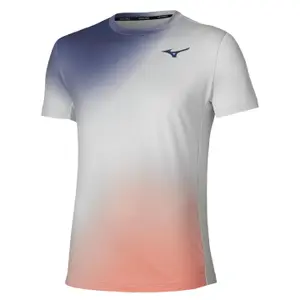
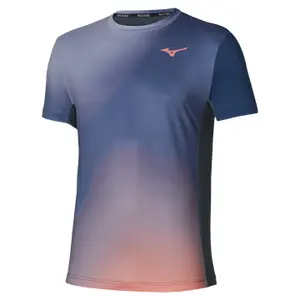
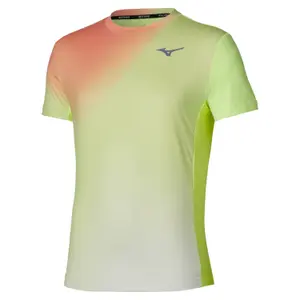


The selection of tennis and table tennis shirts for the French Days brings together high-performance tops for the court and indoors: Lacoste Sport, Mouratoglou Apparel, Tecnifibre, Head, Asics, and Mizuno for tennis, Donic for ping-pong. There are styles for men, women, and children, made from breathable materials and models named after major tournaments.
A lightweight outfit for sunny days on the court.
Technical polyester and ventilated zones: the material of a tennis shirt
A tennis shirt must wick away sweat during exchanges under the sun. Technical polyester, often blended with elastane, transports moisture to the outside where it evaporates, while cotton retains it and gets heavy. Mesh inserts at the back and under the arms ventilate the areas that heat up the most. The raglan sleeves, sewn on a bias up to the collar, free the shoulder for serving and smashing. The Tecnifibre X-Loop or the Head Slice illustrate this search for lightness. The French Days come at the right time to refresh a worn-out shirt from matches.
The rest of the outfit
The French Days rackets are also available in:
All offers are gathered on the racket sports page.
Lacoste and Mouratoglou: from the Crocodile to the academy
René Lacoste, winner of Roland-Garros and Wimbledon in the 1920s and a member of the Muskeeters who won the Davis Cup, was nicknamed the Crocodile. He founded his brand in 1933 and had the animal embroidered on the chest of his lightweight tennis shirts, much more comfortable than the woven shirts of the time. The Lacoste Sport line continues this legacy with technical shirts, including a model in the colours of the Madrid tournament. Mouratoglou Apparel was born from the academy founded by coach Patrick Mouratoglou on the Côte d'Azur: its Match shirts carry the names of tournament cities, such as Paris or Melbourne.
Table tennis: a shirt that doesn’t hinder ball reading
In table tennis, international regulations require that the main colour of the shirt is distinctly different from that of the ball, white or orange, to not hinder the opponent's ability to read the spin. Competition shirts are therefore often dark or very colourful, with graphic patterns. Donic, a German specialist in the discipline, dresses club players in lightweight and stretchy models, like the Cream or the Nexis, available in children's sizes. The cut remains close-fitting without restricting the shoulder, which is heavily engaged by topspins and quick wrist shots near the table.
Women's and children's shirts: cuts and sizes
Women’s shirts, like the Head Tiebreak, the Tecnifibre Team Tech, or the Mizuno model, adopt a fitted cut, sometimes with a V-neck, that accommodates torso rotations without riding up. For young players, the Tecnifibre Team Stretch in the girls' version and the Donic children's shirts use materials similar to adults. Children's size is chosen according to age or stature: avoid choosing too large, as a loose shirt can hinder the serve motion. For care, washing at thirty degrees without fabric softener preserves the wicking ability of the fibres, and air drying is sufficient, with polyester drying in a few hours.
Frequently Asked Questions
Do you have to wear white to play tennis?
White is only required by a few tournaments and clubs, starting with Wimbledon, where the outfit must be almost entirely white. Elsewhere, all colours are allowed, with light shades being cooler under the sun.
Why does Asics have that name?
Asics stands for the initials of the Latin motto Anima Sana In Corpore Sano, meaning a healthy mind in a healthy body. The Japanese brand, founded in Kobe in 1949 by Kihachiro Onitsuka, adopted this name in 1977.
Is Head a tennis brand originally?
No, Head was founded in 1950 by American engineer Howard Head to manufacture skis. The brand turned to tennis in the late 1960s and now outfits many club players.
How can you avoid odours on a technical shirt?
Wash it quickly after the session, without leaving it damp in the bag, and avoid fabric softener that traps odours in synthetic fibres. Soaking it in water mixed with white vinegar helps to eliminate them.
What outfit for a child starting tennis?
A lightweight technical shirt in their size and shorts with pockets to store the balls are enough for the first sessions. Choose light colours for lessons in the sun and plan for a second shirt for training camps.






