
Racquet bags from French Days


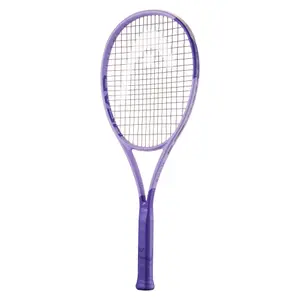


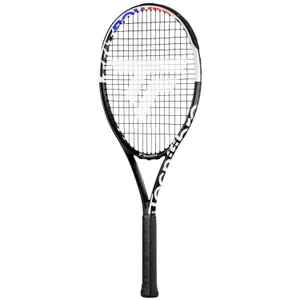


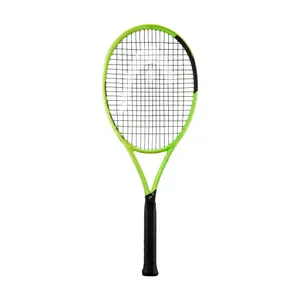
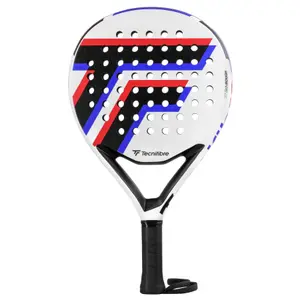
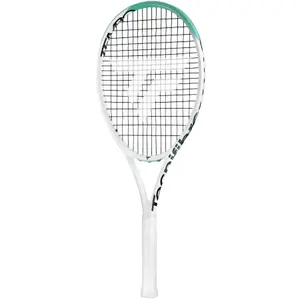


The Rackets bag selection from the French Days brings together luggage for tennis, padel, badminton, and squash players: thermobags for multiple rackets, backpacks with a dedicated compartment, and padel bags. Models designed to protect strings from temperature changes, keep wet gear separate from clean belongings, and carry all the equipment for a session at the club.
Transport your rackets safely, at a discounted price.
Thermobag: how many rackets to take
The thermobag is first chosen based on the number of rackets it holds, a detail that manufacturers often display in the name of the model. A recreational player usually settles for a bag for three to six rackets, which also leaves room for a towel and a water bottle. A competitor, who plays with several identical rackets strung at similar tensions, opts for nine or twelve slots, with two or three compartments separated by zippers. The larger models can be carried on the shoulder or like a backpack, thanks to two straps tucked away in a pocket, handy on the way to the club.
The rest of the equipment
The French Days rackets also come in:
All the offers are gathered on the racket sports page.
Insulating lining: protecting the strings and the frame
The thermal lining, often a reflective silver layer, slows down the heat exchange between the outside and the racket compartment. A string left in the sun in a car loses its tension faster, and natural gut strings do not cope well with humidity; conversely, the cold in a boot in winter makes the strings stiffer and the impact harsher. The graphite frame also appreciates stable temperatures. This lining does not turn the bag into a cooler: it limits temperature fluctuations for a few hours, just enough for a trip or a match, and does not exempt you from taking the rackets out of the boot in the middle of summer.
Padel bag and badminton bag: formats specific to each sport
The padel bag takes the shape of a pala, shorter and thicker than a tennis racket: it often adopts a rectangular format, with two insulated side pockets for the palas and a large central compartment for the outfit and tubes of balls. The badminton bag, longer and thinner, accommodates light rackets with a narrow frame and has a pocket for shuttlecock tubes, which should not be crushed to preserve the feathers. In squash, a compact bag is often enough, as the racket is slim and the gear minimal. In all cases, a ventilated compartment keeps wet items separate from clean clothes.
Backpack for rackets: the option for bike journeys
The backpack with racket compartment suits a player who arrives at the club on foot, by bike, or by public transport: it holds one or two rackets in a rear pocket or in a cover attached to the back, distributing weight across both shoulders. It is also used daily, often with a pocket for a laptop or tablet, making it a choice for students and players who juggle work and training. The French Days allow you to compare formats before the start of group lessons. Check the height of the compartment, as an adult tennis racket measures nearly sixty-nine centimeters and may exceed some urban models.
Frequently asked questions
How to clean a thermobag without damaging the lining?
Empty the bag, brush off any sand or clay left at the bottom, then wipe the fabric with a damp sponge and mild soap. The insulating lining cannot withstand a washing machine; allow the bag to dry open, away from a heater.
Can you take a tennis bag in the cabin on a plane?
Rackets are generally accepted in the cabin, but a large thermobag often exceeds the allowed dimensions for cabin luggage. For a tournament abroad, check the airline's conditions and consider a more compact bag if necessary.
How to avoid bad smells in a racket sports bag?
Take out the wet outfit and towel as soon as you return, and leave the bag open to dry. A separate compartment for wet items and a sachet of bicarbonate placed at the bottom help limit odors between sessions.
Which bag should you choose for a child starting tennis?
A small backpack with a racket compartment is enough for a junior racket, a water bottle, and a tube of balls. It should remain lightweight and adjustable to the child's size; the thermobag only becomes useful when the young player competes in tournaments with multiple rackets.
Is a tennis bag suitable for transporting padel palas?
Yes, most tennis thermobags can accommodate palas, which are shorter, but their thickness takes up more space than a racket. A padel bag offers pockets suited to their shape and space for the tubes of balls, which is more practical for a regular player.






