
Football equipment for French Days

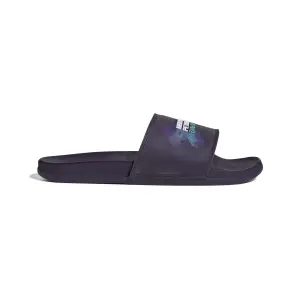
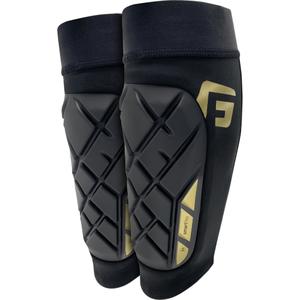


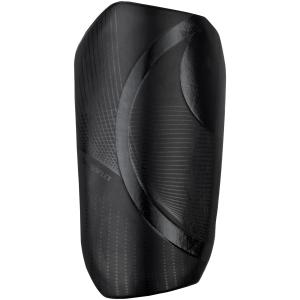


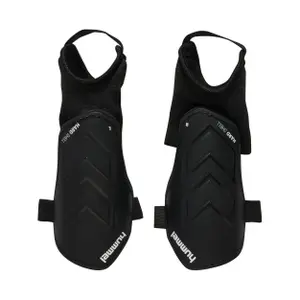


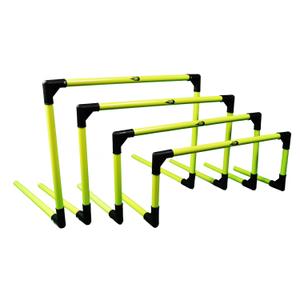


The selection of Football Equipment for the French Days brings together the gear for both players and coaches: flexible shin guards G-Form, shells Nike Mercurial and Charge, models with ankle guards Precision, foldable goals PowerShot and mini-goals Avento, tactical boards Sporti and PowerShot, tactical notebook Select, water bottles and whistle Fox. Everything you need to train safely and organise your sessions.
Stay protected and organised at a reduced price.
What the laws of the game say about shin guards
Shin guards are part of the mandatory equipment set out in law four of the laws of the game: they must be made of suitable material, provide reasonable protection, and be completely covered by socks. The referee can deny entry to the pitch for a player not wearing them. The text does not set any specific marking or dimension, but an effective shin guard covers the shin from a few centimetres below the knee to above the ankle. For young players, models with integrated ankle protection, such as the Precision, provide added protection for the ankles, which are often injured in duels. The CE marking indicates compliance with European standards for protective equipment.
Other football offers
The French Days football collection also includes:
All the offers are gathered on the football page.
Hard shell or soft protection G-Form
Two families of shin guards coexist. Hard shells, like the Nike Mercurial Lite or Charge, distribute the force of a stud impact over a larger surface; lightweight and slim, they slide into a compression sleeve or are held with an elastic attachment like the Nike Guard Stay. The G-Form shin guards are based on a different idea: their foam, known as reactive protection, remains flexible at rest and instantly hardens upon impact to absorb energy, before becoming flexible again. They fit the leg like a second skin. The Pro-S Blade versions add a thin plate in front of the shin, and the children’s model uses the same technology scaled for younger players.
Foldable goals and mini-goals for training sessions
An educator saves time with goals that set up without tools. The foldable PowerShot Quickfire goal, measuring three metres by two, unfolds in seconds and is suitable for five-a-side football, finishing drills, and backyards. The mini-goals Avento, measuring ninety centimetres by sixty, are used for small games, ball-handling exercises, and school football matches, where low and numerous goals are needed. The Pitchmarker implants from PowerShot create markings on the ground without interfering with play. Before each session, the goals are fixed or weighted: a goal blown over by the wind or a child hanging from the bar can cause serious accidents.
Tactical board, whistle, and water bottle: the educator's bag
The magnetic tactical board, like the Sporti double-sided one or the PowerShot erasable version measuring ninety centimetres by sixty, allows the demonstration of set-piece placements or a sequence of exercises in a few gestures; the tactical notebook Select keeps a record of the sessions. The whistle Fox, without a ball, was developed by Ron Foxcroft, a Canadian basketball referee, and introduced in 1987: with no moving parts, it whistles even when wet or frozen. The individual water bottle, like the Uhlsport bottle or the OM water bottle, allows each player to drink regularly during breaks, especially during summer sessions, without sharing a common container.
Frequently asked questions
How to wash smelly shin guards?
Rinse the shells with soapy water after each match and let them air dry, out of the bag. Soft models like the G-Form often go in the washing machine on a low temperature in a mesh bag; check the label first.
How to secure a foldable goal on grass?
Most foldable goals come with pegs that can be driven through the base of the frame. On hard or synthetic surfaces, they are weighted down with sandbags placed on the rear bar to prevent them from tipping over.
What to note in an educator's tactical notebook?
Record the theme of each session, the exercises with their dimensions and durations, and the attendance. These notes help build a progression throughout the year and identify what worked with the group.
Can you play without a sleeve with shin guards?
Yes, if the model stands alone, like the G-Form with an integrated sleeve, or if secured by an attachment. A loose shell without support slips during running and may leave part of the shin exposed at the moment of impact.
How many markers should be prepared for a youth session?
For a group of twelve to fifteen children, around forty markers can define two or three stations and a small playing area. Choose two or three colours to distinguish the zones, teams, and passageways.






