
Goalkeepers: the French Days
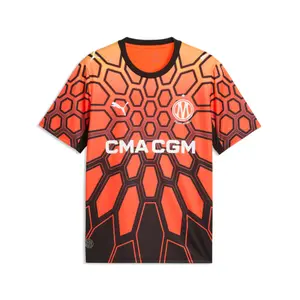
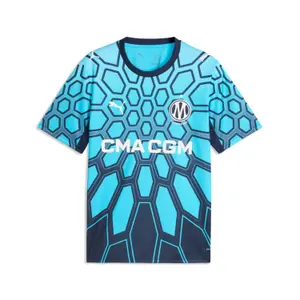

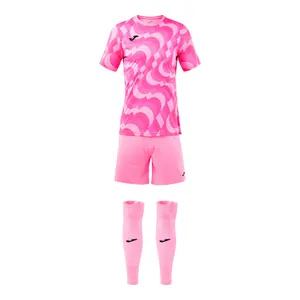
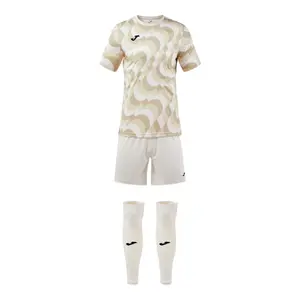
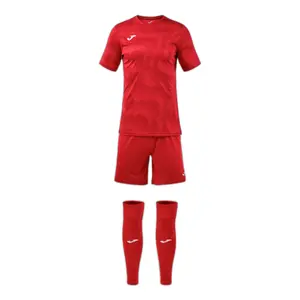
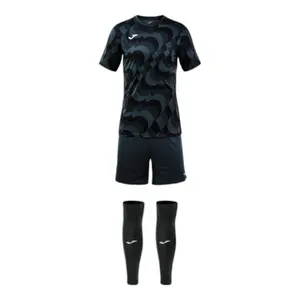
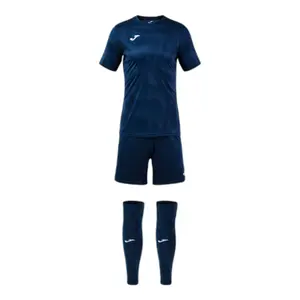
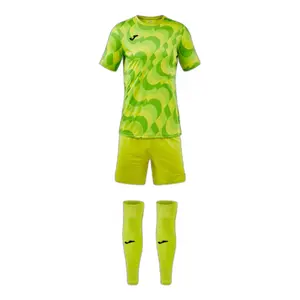
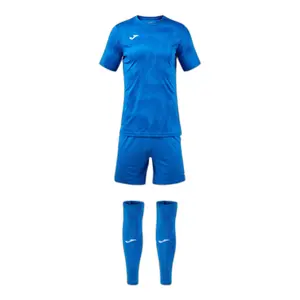
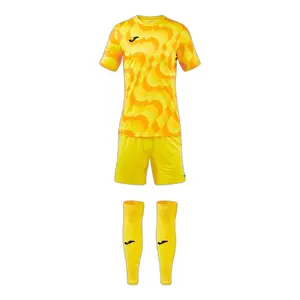
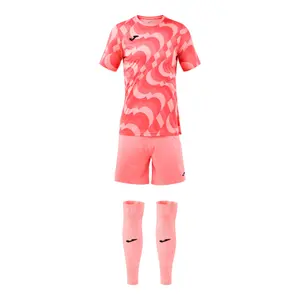


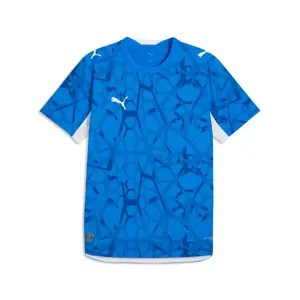
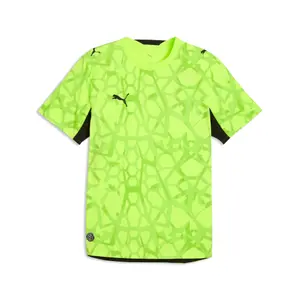


The goalkeeper selection from the French Days outfits the last line of defense from head to toe: Nike Vapor Grip, Grip and Academy gloves, goalkeeper jerseys from OM, Liverpool and FC Barcelona, padded trousers from Uhlsport and Hummel, Reusch shorts, Joma Zamora and Hummel sets to equip a young goalkeeper in one purchase.
Get equipped for the goal, at a reduced price.
Negative cut, roll finger or flat: the shape of the glove
The cut of a goalkeeper's glove determines how the ball feels. The negative cut, with seams placed on the inside, fits the hand like a second skin and offers precise control, at the cost of a snug fit. The roll finger cut, with fingers wrapped in latex, provides a larger contact area for catching the ball. The flat cut, more traditional, offers a bit of ease and suits wider hands. Many modern gloves mix these cuts, and the wrist closure, either with elastic or Velcro strap, completes the hold on the hand.
The rest of the equipment
The French Days football range also includes:
All offers can be found on the football page.
Training or match glove: the quality of the latex
The latex in the palm makes all the difference. A soft and thick latex, reserved for match gloves like the Nike Vapor Grip, offers maximum grip but wears out quickly, especially on synthetic surfaces. A denser and harder latex, like that on the Nike Academy, withstands repeated sessions and abrasive pitches. Regular goalkeepers often have two pairs: one for training and one for the match. Before playing, the palms are slightly dampened to activate grip, and after use, they are rinsed with warm clear water before being left to dry in the open air, away from any heat source.
Padded trousers and shorts: protect hips and knees
The goalkeeper dives on a surface that can be hard or synthetic: the built-in padding limits burns and bruises. The goalkeeper trousers, like the Uhlsport Standard or the Hummel Classic, cover the entire leg and incorporate padding at the hips, sometimes at the knees, ideal in winter and on synthetic pitches. The padded shorts, such as the Reusch Contest, keep lateral padding while allowing freedom of movement in hot weather. Reusch, founded in 1934 in Metzingen, Germany, designed one of the first modern goalkeeper gloves with Sepp Maier in the early 1970s.
A distinct colour: club shirts and icons
The rules of the game require the goalkeeper to wear a different colour from the outfield players, referees, and the opposing goalkeeper. Clubs therefore have specific shirts, like those of OM, Liverpool or FC Barcelona, available in both adult and child sizes. The Joma Zamora set pays tribute to Ricardo Zamora, the Spanish goalkeeper of the 1920s and 1930s, whose name also designates the trophy for the least beaten goalkeeper in the Spanish league. The shirt of Denmark, crowned European champion in 1992 with Peter Schmeichel in goal, delights nostalgics.
Frequently asked questions
How do you choose the size of goalkeeper gloves?
The measurement is taken around the palm, under the knuckles and without the thumb; some brands prefer the wrist length to the tip of the middle finger. The ideal glove leaves a small half centimetre at the tips of the fingers.
What size glove for a child goalkeeper?
Glove sizes generally range from 4 for young children to 11 for large adult hands. A ten-year-old goalkeeper often wears size 6 or 7, but only the hand measurement can decide.
Are stays in goalkeeper gloves useful?
The stays, these reinforcements slid into the fingers, prevent the fingers from bending backward on a powerful shot. Reassuring for young goalkeepers or after an injury, they stiffen the glove and slightly reduce sensations.
Who are the most famous goalkeepers of the French team?
Fabien Barthez, world champion in 1998 and European champion in 2000, and Hugo Lloris, captain of the Blues who became world champions in 2018, have made history for the team.
Can a goalkeeper wear long sleeves and trousers?
Yes, the rules of the game allow the goalkeeper to wear tracksuit bottoms instead of shorts. Long sleeves protect the forearms during dives and keep a player, often immobile for long minutes, warm.






