
BMX brake calipers
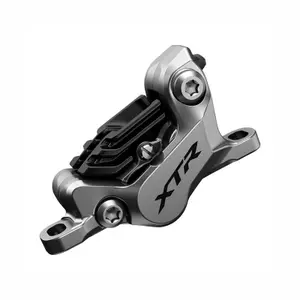
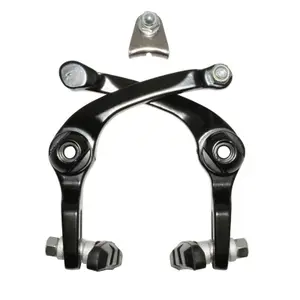
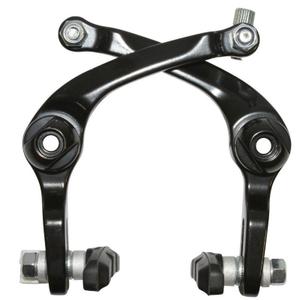
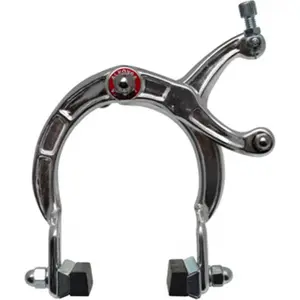
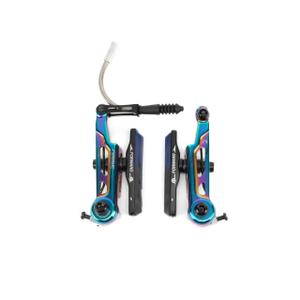
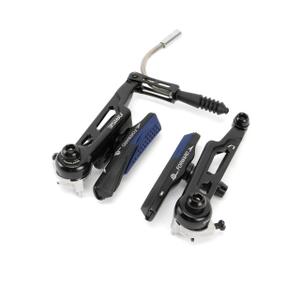
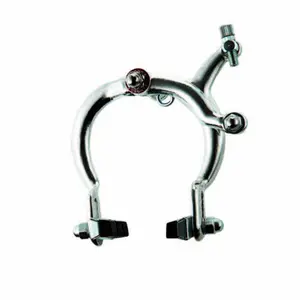
Our BMX Brake Levers page gathers our tips for choosing and adjusting the rear brake of your BMX: compact U-brake for freestyle and street, powerful V-brake for racing, attachment on the frame's bosses, choice of pads and adjustment of tension.
Power and precision in braking.
The U-brake
The U-brake is the iconic brake for BMX freestyle: compact, mounted under the chainstays or behind the seat tube, it doesn't stick out from the frame, which prevents snagging on pegs, feet, or ramps during tricks. It works with a central cable and two arms that pinch the rim. When paired with a rotor, it allows for free movement of the handlebars while still having a brake.
BMX Braking
BMX braking also includes:
All braking information can be found on the braking page.
V-brake for Racing
In BMX racing, where a rear brake is mandatory, the V-brake is favoured for its power and progression, mounted on the seat stays, similar to mountain bikes. It provides reliable braking at the entry to corners and during track exits. High-level riders adjust it very carefully, as even a slight rub can cost precious tenths of a second.
Installation and Adjustment
The brake mounts onto the posts of the frame, which should be lightly greased before installation. The pads are aligned with the braking surface, without touching the tyre, with a slight pinch at the front to avoid squeaking. The springs are balanced to ensure both pads move symmetrically, then the cable tension is adjusted. Pads should be replaced as soon as the grooves disappear.
Good Deals
Great bargains can also be found in the good deals, promotions, clearance, sales, and Black Friday. The new arrivals showcase the latest collections, and items shipped in 24h are prepared and sent out within 24 hours. The highlights of the year follow a steady order: Black Friday in late autumn, the holiday season, winter sales, the spring French Days, followed by summer sales and back-to-school time.
Frequently Asked Questions
Why do freestyle riders prefer a compact brake under the chainstays?
The U-brake doesn't stick out from the frame: it avoids snagging on pegs, feet, or ramps during tricks. It works with a central cable and combines with a rotor to keep the handlebars free.
Why does BMX racing use a more powerful brake?
In racing, strong braking is needed at the entry to corners and behind other riders: the V-brake, with its long arms, offers superior power and modulation. It mounts on the frame posts at the rear.
How do you adjust a caliper that rubs on one side of the rim?
Center the caliper using the small spring tension screws located on each arm, adjusting the side that rubs. Then check that the pads contact the rim flatly, without touching the tyre.
What to do if the caliper doesn't return after braking?
A caliper that stays stuck often results from a dirty cable, a bent housing, or dry pivots. Cleaning and lightly greasing the pivots, then replacing the cable and housing if needed, usually resolves the issue and restores proper return.
What pads should be used on a BMX brake?
The pads must be suitable for the rim: a soft rubber compound grips better on aluminium, while some treated rims require specific pads. They should be replaced as soon as the grooves disappear, before damaging the braking surface.






