
BMX Rotors for Barspins
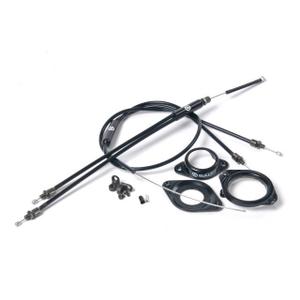
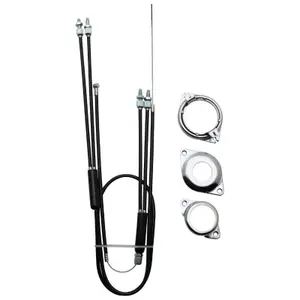
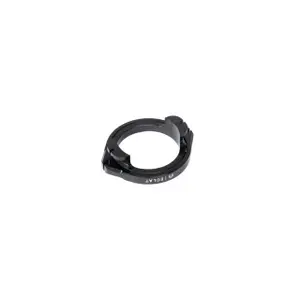
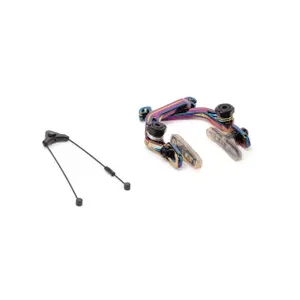
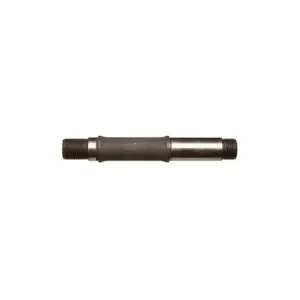
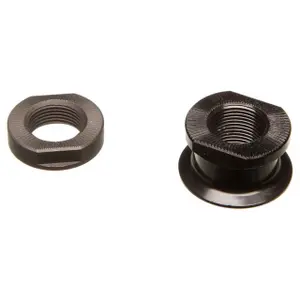
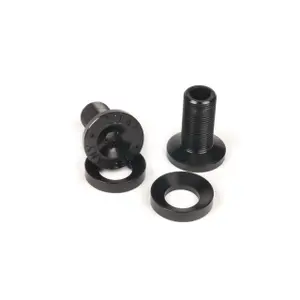


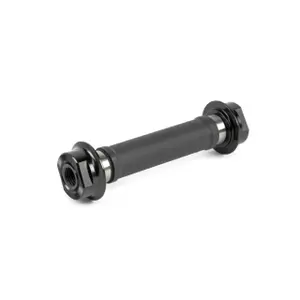
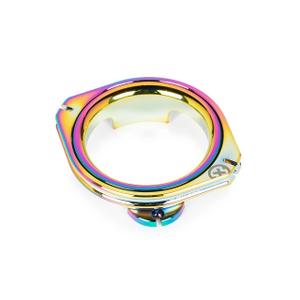
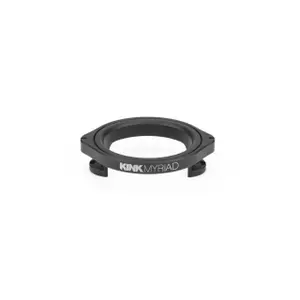
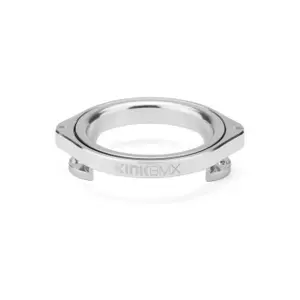
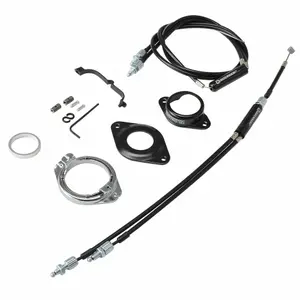
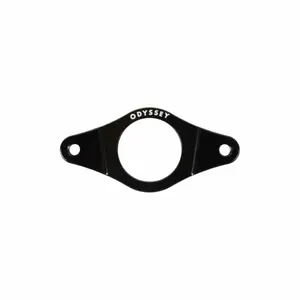
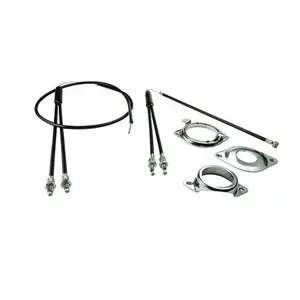
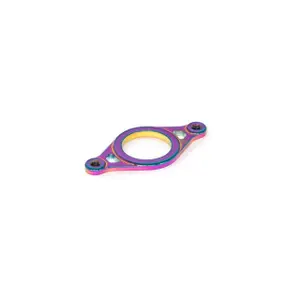
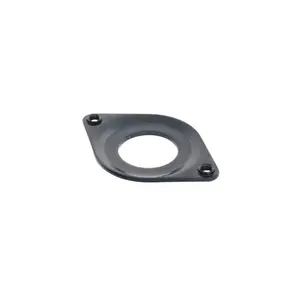
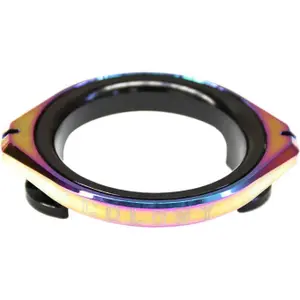
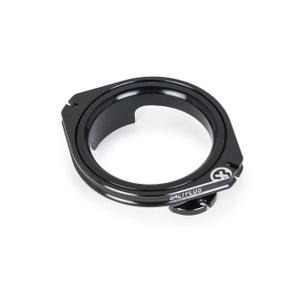
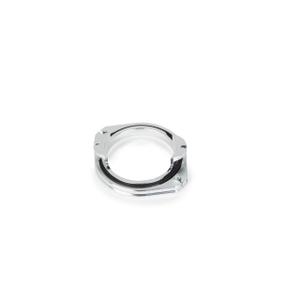
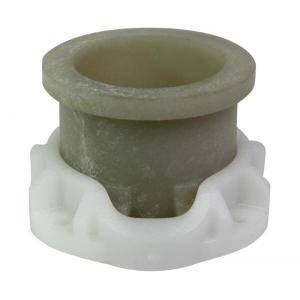
Our Rotors page brings together our tips on this key BMX freestyle component: how it works, the parts that make it up, mounting under the stem, adjusting the upper and lower cables, compatibility with the headset and alternatives, to allow you to turn your handlebars freely while keeping a brake.
Free handlebars, with a brake added.
The principle
The rotor, or gyro, allows the handlebars to turn three hundred and sixty degrees without the brake cable wrapping around the stem. It splits the cable into two: a top cable connected to the lever and a bottom cable connected to the brake caliper. Between the two, a plate mounted on bearings turns with the handlebars and transmits the pull from the lever, regardless of the handlebar position.
The rest of the braking
BMX braking comes in different forms:
All braking information is on the braking page.
Assembly and adjustment
The rotor is mounted on the fork pivot, between the headset and the stem. The top cable often splits using a splitter. Adjustment is key: the two strands of the top cable must have exactly the same tension, so that the plate remains parallel, and the bottom cable must be adjusted so that the brake engages without rubbing. A badly adjusted rotor results in spongy braking.
The alternatives
Some riders prefer to ride brakeless, without brakes or rotor, for a simpler and lighter bike, but this practice requires experience and is not suited for street riding. Others opt for stems or forks with internally routed cables, allowing for a barspin with a single cable. Compatibility of the rotor with the diameter of the pivot and the available height under the stem is checked.
Good deals
Good deals can also be found in the good deals, promotions, clearance, sales, Black Friday. The new arrivals showcase the latest collections, and items shipped within 24 hours are prepared and dispatched in 24 hours. The year's highlights follow a stable order: Black Friday in late autumn, the end-of-year holidays, the winter sales, the French Days in spring, followed by summer sales and back-to-school season.
Frequently asked questions
What is the purpose of a rotor on a BMX?
The rotor, or gyro, allows the handlebars to turn three hundred and sixty degrees without the brake cable wrapping around the stem. It is essential for performing barspins while keeping a rear brake.
How do you adjust a BMX rotor?
You adjust the tension of the top and bottom cables so that the plate remains parallel and that the two cables pull at the same time. An unbalanced adjustment causes a soft brake or a plate that catches when turning.
Can a rotor be mounted on all forks?
The top cable must pass through the stem or fork, which requires a hollow pivot or a designated routing path. The available height under the stem is also checked to accommodate the plate and its bearings.
Can you ride without brakes instead of using a rotor?
Many street riders ride without brakes, which lightens the bike and simplifies barspins. This choice requires good foot braking control; for beginners, a rear brake with a rotor is safer.
How do you maintain a BMX rotor?
You regularly clean the plate and its bearings, check the condition of the cables, which fray with repeated rotations, and control the tension after each intense session or fall. A clean rotor turns without sticking.






