
Road bike seat posts


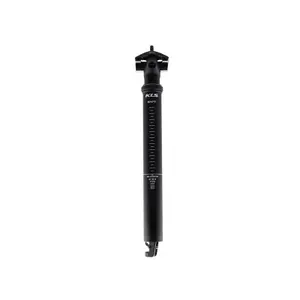


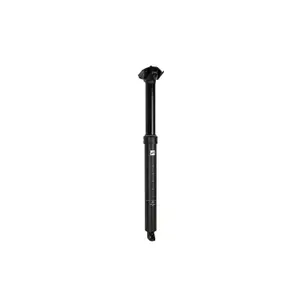


Starting at £137.39
£110.93


Our selection of road seat posts includes the carbon FSA K-Force setback post, designed to house the Di2 battery, and the aluminium posts Pro PLT, XLC setback, Ergotec Atar and Kalloy Uno, available in twenty-seven point two and twenty-five point four, along with our advice on diameter, setback, length and installation.
The right support, at the right height.
Seat post diameter: twenty-seven point two and others
A seat post must match the inner diameter of the seat tube to the nearest tenth of a millimetre: if it’s too thin, it moves around and damages the frame; if it’s too thick, it won’t fit. On the road, twenty-seven point two is dominant, especially on carbon frames and endurance bikes, as this slim diameter bends slightly and filters vibrations. Some aluminium frames use twenty-five point four, thirty point nine, or thirty-one point six, and aerodynamic frames come with a specific profiled post, supplied with the frame. The diameter is generally engraved near the insertion mark of the original post.
The other components
Road components also come in:
All components are gathered on the peripheral components page.
Setback or straight post: positioning the saddle
The setback, or offset, is the distance between the seat post axis and the centre of the clamping carriage. A setback post, like the FSA K-Force with its twenty-five millimetres or the XLC setback post, positions the saddle further back: it is suitable for long femurs and endurance positions. A straight post, with no setback, moves the saddle forward for a more aggressive position or to compensate for a frame with a laid-back seat tube angle. Adjustments continue on the saddle rails, over a few centimetres: the post provides the base range, the rails fine-tune it. The aim is often for a knee to be directly above the pedal axis, with the crank horizontal.
Carbon or aluminium: weight, comfort and strength
A carbon post lightens the rear of the bike and absorbs some of the road vibrations. The FSA K-Force goes further: it is designed to house the battery of an electronic transmission Shimano Di2 inside, freeing the frame from any visible casing. Aluminium posts such as Pro PLT, Ergotec Atar, or Kalloy Uno, a bit heavier, are sturdy, affordable, and handle everyday bumps better. The Ergotec Atar is rated five on the brand's strength scale, indicating the total permissible load. For a winter training bike or touring bike, aluminium remains a safe and durable choice.
Good deals
Good finds are also in the good deals, promotions, clearance, sales, and Black Friday. The new arrivals showcase the latest collections, and items shipped in 24 hours are prepared and dispatched within that time. The highlights of the year follow a stable order: Black Friday in late autumn, year-end holidays, winter sales, French Days in spring, then summer sales and back-to-school season.
Frequently asked questions
What length of seat post should I choose?
The post should remain inserted beyond its minimum mark, ideally down to just below the junction with the top tube. Larger riders, who extend a lot of post, need a model of four hundred millimetres or more.
How to prevent a seat post from slipping or creaking?
Clean the seat tube, then apply a carbon assembly paste or a thin layer of grease for aluminium in a metal frame. Tighten the collar to the specified torque without exceeding it.
Can you put a carbon post in an aluminium frame?
Yes, provided you use a special carbon assembly paste and check that the inside of the tube has no burrs. A collar with well-rounded edges helps avoid marking the post during tightening.
How can I find my saddle height when changing posts?
Before removing the old post, measure the distance from the bottom bracket axis to the top of the saddle, or place a piece of tape flush against the collar. Transfer this measurement to the new post, considering a different setback.
Can I install a thinner post with a reducing shim?
Yes, an appropriate shim allows, for example, a twenty-seven point two post to fit into a thirty-one point six tube. This solution is a stopgap but it remains less rigid than a post of the correct diameter and requires careful tightening.






