
Cassettes and Bike Chains

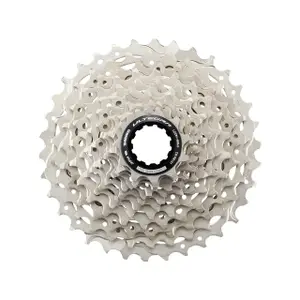
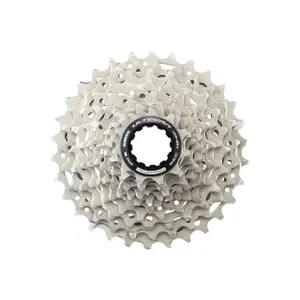
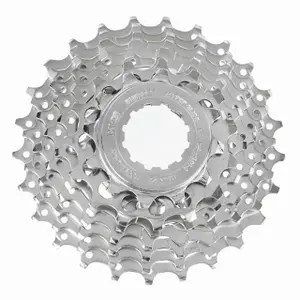
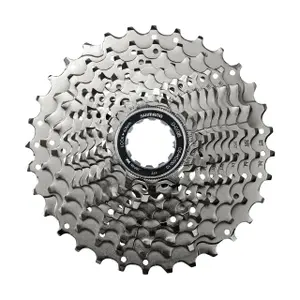
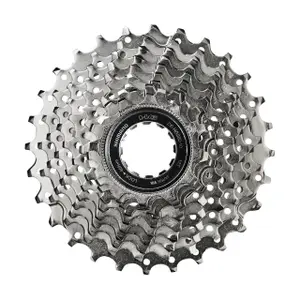


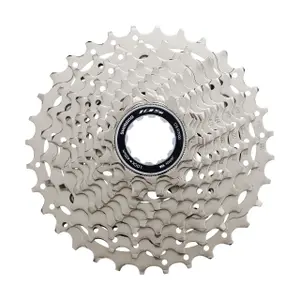
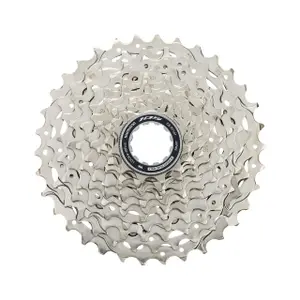
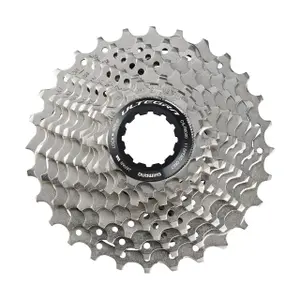


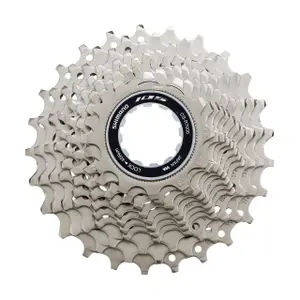


Our selection of Road Cassettes and Chains includes cassettes Shimano and XLC, the cassette Miche in the Campagnolo standard, cassette bodies Shimano, FFWD, and Easton, as well as quick releases Shimano, KMC, and Clarks, ranging from eight to eleven speeds, with our tips on how to choose gearing, check compatibility, and monitor transmission wear.
A smooth transmission, mile after mile.
Number of speeds and cassette gearing
A road cassette is first chosen according to the number of speeds in the transmission, from eight to twelve: it must match the shifter and derailleur. Next is the gearing, indicated by the number of teeth on the smallest and largest sprockets. A close-ratio cassette, such as a thirteen-twenty-six or an eleven-twenty-eight, keeps the gaps of one or two teeth between the gears, which is appreciated by riders. A large sprocket of thirty teeth or more makes climbing easier, at the cost of greater jumps. The XLC ten-speed cassette, in thirteen-twenty-eight, and the Miche eight-speed cassette illustrate these classic gearings.
The transmission
The road transmission also comes in different types:
All the transmission components can be found on the transmission page.
Freehub body: Shimano HG or Campagnolo
The cassette fits onto the freehub body of the rear hub, which determines the standard by its splines. The Shimano HG, the most common, also accommodates most cassettes from other brands; the Campagnolo hub has its own splines, which is why cassettes from the Italian manufacturer Miche are made to this standard. A cassette body should be replaced when its splines are worn down by the sprockets or when the ratchet slips under load: the selection includes Shimano, FFWD bodies to the Campagnolo standard, and Easton, to be chosen according to the exact reference of the hub and wheel.
Chain and quick link: width and installation
The chain becomes narrower as the number of speeds increases: an eleven-speed chain is narrower than an eight speed one, and it is always chosen to match the cassette. The quick link closes the chain without a chain tool and allows it to be removed for thorough cleaning; it must have the same width, like the eleven-speed Shimano link or KMC and Clarks models. A well-maintained chain, cleaned and then lubricated link by link, wears down the sprockets more slowly: when changed in time, it allows keeping the same cassette for two or three chains.
Good deals
Good bargains can also be found in good deals, promotions, clearance, sales, Black Friday. The new arrivals showcase the latest collections, and items shipped in 24h are prepared and dispatched within 24 hours. The key sales events of the year follow a stable order: Black Friday at the end of autumn, the end-of-year holidays, the winter sales, the French Days in spring, then the summer sales and back-to-school season.
Frequently asked questions
Which freehub body for eleven-speed?
Not always: on the road, the eleven-speed cassette requires a slightly longer freehub body than those for eight to ten speeds. A wheel designed for eleven speeds can, however, accommodate an older cassette with the use of a spacer.
How can you tell if your cassette is worn?
The teeth of the most used sprockets become wavy or hooked, and a new chain will start to skip under strain. In this case, changing just the chain is not enough: the cassette must be replaced at the same time.
Can different brands of cassette and chain be used together?
Yes, as long as the number of speeds is the same: a KMC chain works on a Shimano or XLC cassette of the same width. It is only advisable to avoid reusing a quick link intended for a different chain width.
What gearing for a first road bike?
An eleven to thirty or thirty-two tooth cassette provides a comfortable range for climbing while keeping good ratios on the flat. Experienced riders, on flat terrain, prefer a close ratio for finer gaps.
Is a tool needed to close a quick link?
It can often be closed by pushing down on the pedal, with the rear brake pulled tight, to tension the chain. Opening it is trickier: a quick-link plier avoids injuring your fingers and deforming the link.






