
Road bike derailleurs
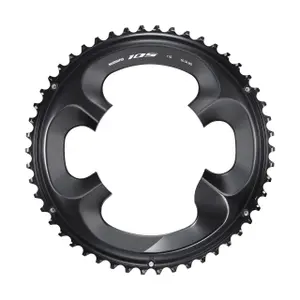
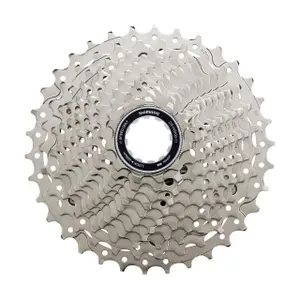
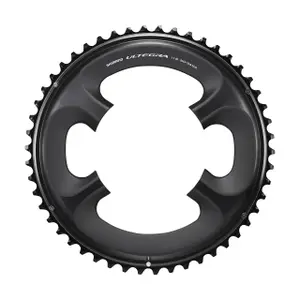
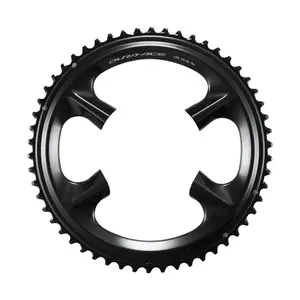
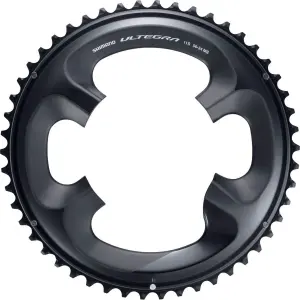
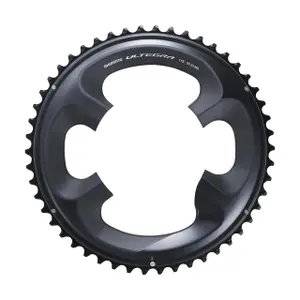
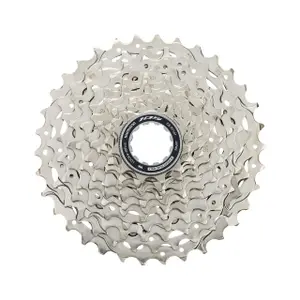
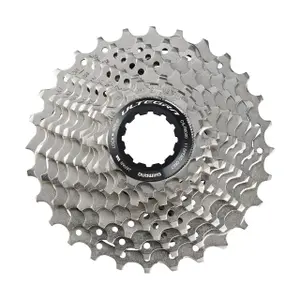
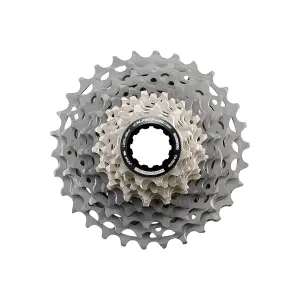

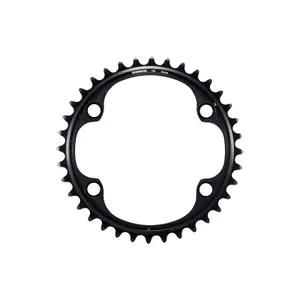
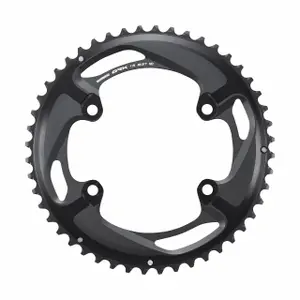
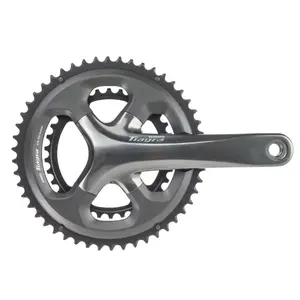
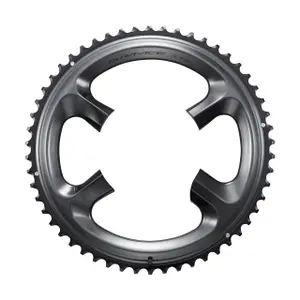
Our road bike derailleurs page brings together our advice on how to choose and adjust your front and rear derailleur: the role of each, differences between mechanical and electronic shifting, derailleur cage length and capacity according to the cassette, compatibility between brands and number of speeds, signs of wear and basic adjustments to master.
Precise and smooth gear changes.
Front and rear derailleur: who does what
The rear derailleur moves the chain from one sprocket to another on the cassette and maintains its tension thanks to its spring-loaded jockey, which has two rollers. The front derailleur shifts it from one chainring to another by pushing it sideways with its cage. On the road, the double chainring remains the most common setup; the single chainring, without a front derailleur, is gaining ground on endurance bikes, paired with a more stepped cassette. The front derailleur attaches with a collar around the seat tube or on a brazed tab on the frame, a point to check before purchasing.
The transmission
The road transmission also comes in:
The entire transmission is gathered on the transmission page.
Cable or electronic: how to control a derailleur
The mechanical derailleur is activated by a cable pulled from the lever: simple, lightweight, and repairable at the roadside, it requires tension adjustment as the cable stretches. The electronic derailleur is moved by a small motor controlled by a button: Shimano launched its wired Di2 system in 2009, and Sram introduced the eTap in 2015, the first wireless road transmission. The shifts remain consistent from one ride to another, without cable adjustment, but the battery must be recharged regularly, like a phone.
Jockey, capacity and compatibility with the cassette
The jockey length determines the capacity of the rear derailleur: a short jockey is sufficient for tight road cassettes, while a medium or long jockey can accommodate larger sprockets of a more stepped cassette. Each model indicates the largest sprocket it can accept and its total capacity, which is the tooth count difference it can handle between chainrings and sprockets. The derailleur must also match the number of speeds of the transmission. As manufacturers do not use the same cable pull ratio, it is generally recommended to pair the lever and derailleur from the same family.
Good deals
Good deals can also be found in good deals, promotions, clearance sales, sales, and Black Friday. The new arrivals showcase the latest collections, and items shipped in 24h are prepared and dispatched within 24 hours. The highlights of the year follow a stable order: Black Friday at the end of autumn, the holiday season, winter sales, French Days in spring, then the summer sales and back to school.
Frequently asked questions
How do you adjust the limits of a rear derailleur?
The H screw limits the travel on the small sprocket side, and the L screw on the large sprocket side. Adjust them with the chain on the relevant sprocket, so that the derailleur cannot push the chain towards the wheel or make it fall against the frame.
Why does the chain skip despite proper adjustment?
A bent derailleur hanger, often after a fall or transport, misaligns the derailleur. A worn chain or cassette can also cause skipping under load: the chain elongation is measured with a dedicated tool.
Can you switch from a mechanical derailleur to an electronic one?
Yes, but you also need to change the levers and plan for internal battery and wiring for wired systems. Wireless systems simplify the conversion since each derailleur has its own battery.
Should you replace the derailleur rollers?
Yes, when their teeth become rounded or they develop play: the chain becomes noisy and shifts imprecisely. The rollers can be replaced individually without changing the derailleur, provided the original tooth count is respected.
When should the derailleur hanger be replaced?
As soon as it is bent or cracked: check its alignment with a specific tool after a fall. It acts as a fuse to protect the frame, and it's wise to keep a spare that is suitable for your model.






