
Suspension tools for forks and shock absorbers
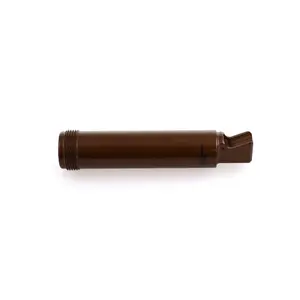
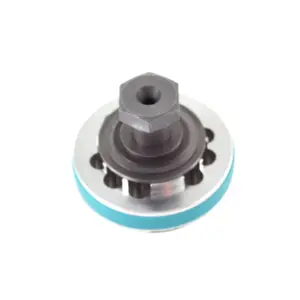


This page dedicated to suspension tools brings together the essentials for setting up and maintaining your fork and shock at home: high-pressure pump with a no-loss air nozzle, socket adapters to fit tube diameters, seal pushers, specific oil and grease, along with the maintenance intervals recommended by manufacturers and the tasks that are best left to a workshop.
A well-adjusted suspension means precise handling.
The high-pressure pump, adjusting tool
A suspension pump differs from a tyre pump by its small volume and high pressure, often up to three hundred psi, which is about twenty bars. Its precise manometer, whether analog or digital, ensures the same pressure from one output to the next, and its Schrader nozzle without air loss prevents some air from escaping when unscrewing it, a flaw that skews the settings of small shock chambers.
The pump is used to adjust the sag, the compression of the suspension under the weight of the equipped rider: around one-fifth of the travel for cross-country, up to nearly a third for enduro, according to the recommendations from the manufacturer of the fork or shock.
Other tools
The tools are also available as follows:
All tools are gathered on the tools page.
Cap sockets and seal pushers
The top of each fork tube is closed by an aluminium cap, which must be unscrewed to add volume reducers or access the cartridge. A six-sided, unbroken socket prevents rounding off its edges, unlike a flat wrench that only contacts two faces. Its size varies with the diameter of the tubes: measure the cap before selecting the socket.
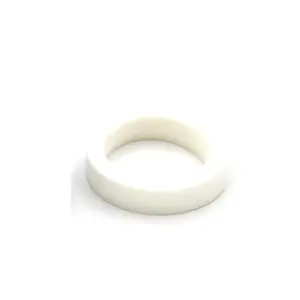
The seal pusher, a synthetic cylinder designed for the diameter of the stanchions, such as thirty-two, thirty-four, or thirty-six millimetres, pushes the seals straight into the lower leg without damaging them. A seal installed at an angle allows dirt to enter and oil to leak out at the first rides.
Oils, greases, and maintenance rhythm
Each manufacturer prescribes a suspension oil of a specific viscosity for the cartridge and another for lubricating the lower leg, in quantities measured to the millilitre. The seals and rings receive a grease compatible with their materials; an unsuitable product causes them to swell or harden.
In terms of maintenance rhythm, a major suspension brand recommends servicing the lower leg and the pneumatic chamber of the shock every fifty hours of riding, while another suggests a complete overhaul every one hundred and twenty-five hours or annually. Bike parks and very muddy conditions require these timelines to be moved forward, and internal servicing of a shock usually calls for a specialist workshop.
Good deals
Good deals can also be found in the good deals, promotions, clearance, sales, and Black Friday. The new arrivals showcase the latest collections, and items shipped within 24h are prepared and dispatched within 24 hours. The key events of the year follow a stable order: Black Friday in late autumn, the end-of-year holidays, the winter sales, the French Days in spring, and then the summer sales and back-to-school time.
Frequently asked questions
How to measure the sag of your fork?
Push the O-ring against the dust seal, get into riding position and then carefully step off the bike. The distance between the O-ring and the seal, relative to the total travel, gives you the sag.
Can you inflate a fork with a standard pump?
No: a high volume pump does not reach enough pressure and its manometer lacks accuracy in that range. The Schrader valve is the same, but only a suspension pump can achieve and read a reliable pressure.
What signs indicate that the dust seals are worn?
Stanchions that remain oily after a ride, a ring of dirt at the base of the seal, or a fork that sticks at the beginning of travel indicate tired seals. Changing them early prevents dirt from damaging the coating on the stanchions, a much more costly repair.
Is a torque wrench necessary for maintaining your suspension?
Yes, because the bolts on the lower leg, caps, and axles have precise, often low torque settings. A torque wrench with small values prevents stripping a magnesium or aluminium thread and deforming a seal.
What are volume reducers for?
These plastic spacers are fixed under the cap of the positive air chamber and reduce its volume. The suspension becomes more progressive at the end of the stroke, preventing bottoming out on big hits without stiffening the beginning of the travel.






