
Bike braking tools



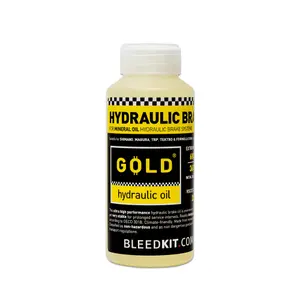
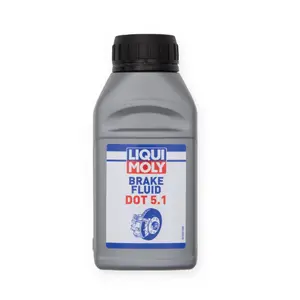
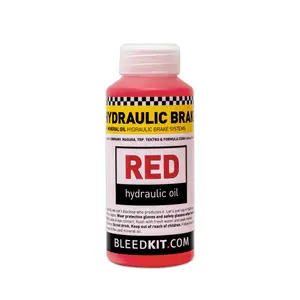

Our Braking Tools page brings together our tips for maintaining your brakes yourself: brake bleed kit for hydraulic brakes, suitable fluid, piston push-back tool, disc straightener, bleed wedges, cable cutter, and torque wrench, for always effective braking.
Brakes always in top condition.
Getting a firm lever back
Over time, hydraulic brake fluid absorbs air and moisture: the lever becomes spongy and the power decreases. Bleeding replaces the fluid and removes air bubbles. It requires a bleeding kit, made up of syringes, tubes and adapters, specific to each brand, and a wedge that keeps the pistons apart during the process.
The entire workshop
Bicycle tools also come in:
All the tools are gathered on the tools page.
Two fluids
Two types of fluids coexist, and they are never interchangeable. Mineral oil is used in particular for Shimano and Magura brakes: it is not aggressive and it is not affected by moisture. DOT fluid is particularly used in SRAM and Hayes brakes: it performs better at high temperatures, but it is corrosive to paint and absorbs moisture. Using the wrong fluid destroys the seals.
Small equipment
The piston pusher spreads the pistons before installing new pads. The disc straightener corrects a warped disc that rubs. For cable brakes, a cable cutter cleanly cuts cables and hoses without crushing them. The torque wrench ensures the proper tightening of calipers and discs. Discs are cleaned with alcohol, without ever touching the pads with your fingers.
Good deals
Good deals can also be found in the good deals, promotions, clearance, sales, and Black Friday. The new arrivals show the latest collections, and the items shipped in 24h are prepared and dispatched within 24 hours. The highlights of the year follow a steady order: Black Friday at the end of autumn, the holiday season, the winter sales, the French Days in spring, then the summer sales and back-to-school season.
Frequently asked questions
When should you bleed your hydraulic brakes?
As soon as the lever becomes spongy, when its travel lengthens, or when the power decreases. As a precaution, bleeding once a year is enough for regular use, more often in intensive practice or after a system disassembly.
DOT fluid or mineral oil, which one to use?
Each brake is designed for a single fluid, indicated on the lever or caliper: DOT fluid for some systems, mineral oil for others. Mixing them destroys the seals: only use the fluid specified by the manufacturer.
What is a piston pusher used for?
It spreads the pistons in the caliper before fitting new, thicker pads. It avoids the use of a screwdriver, which could damage the pistons or dirty the pads with grease marks.
How do you straighten a warped brake disc?
You identify the rubbing area by spinning the wheel, then gently straighten it with the disc straightener, gradually, until the disc passes freely between the pads. Avoid touching the braking surface with your fingers.
Why use a torque wrench on your brakes?
It tightens the caliper, lever, and disc screws to the torque specified by the manufacturer. If too tight, a screw can damage the thread or carbon; if not tight enough, it can loosen. It's essential for lightweight components.






