
Fitness shoes from other brands


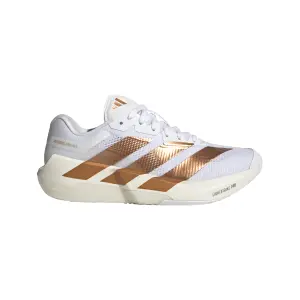


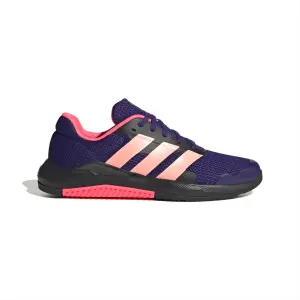

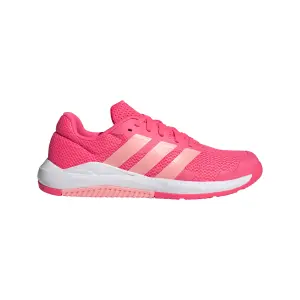


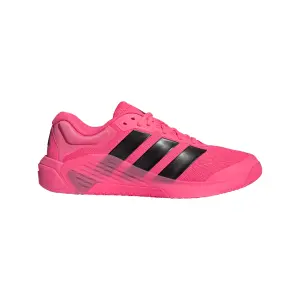


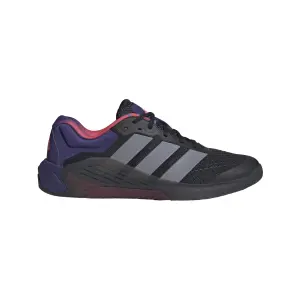


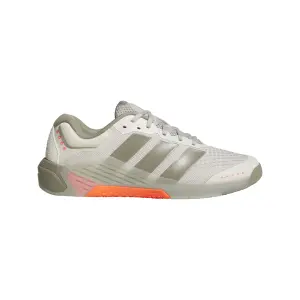




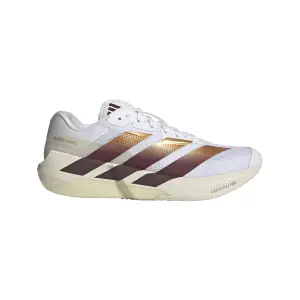


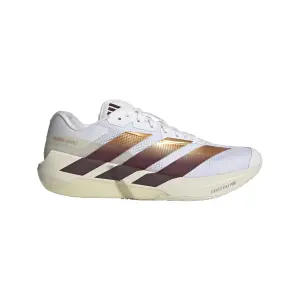
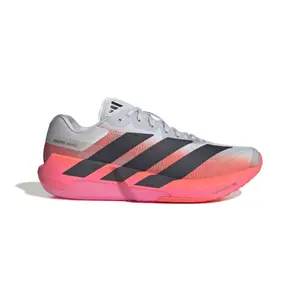

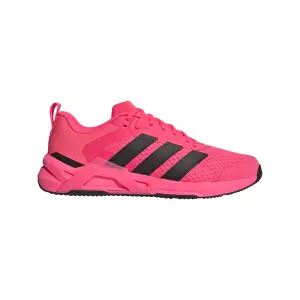


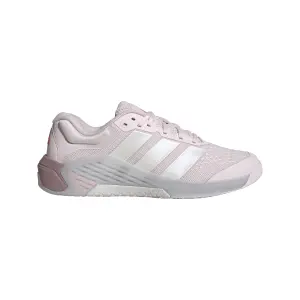


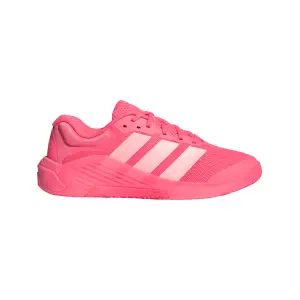


Our Other page brings together fitness shoes from specialist brands, beyond the big names in sport, along with our advice for choosing a shoe suited to weightlifting, cross-training, group classes, or cardio, based on your body type and activity.
The right shoe, no matter the brand.
Beyond the big brands
Beyond the major sports brands, many specialist brands offer innovative fitness shoes: minimalist shoes that allow the foot to work naturally, weightlifting shoes with a raised, rigid heel, and reinforced cross-training shoes. The right choice depends not on the brand's fame, but on the fit between the shoe, your foot, and your activity.
The big brands
Fitness shoes are also available by brand:
All shoes can be found on the shoes page.
According to your practice
For weightlifting, choose a flat, stable sole with a slight difference between heel and forefoot; for weightlifting, a shoe with a rigid and slightly elevated heel that facilitates deep squats. For group classes and HIIT, a light, flexible shoe with cushioning at the front supports jumping. For cross-training, a reinforced upper and sole withstand rope climbs and various exercises.
Choosing the right one
Always try on your shoe at the end of the day, with sports socks, leaving half a centimetre in front of your toes. The heel should be well-held without slipping, and the forefoot should be free. Test a few movements, lunges, jumps, standing still. Reserve your indoor shoes for inside to maintain grip, and replace them when the cushioning wears down or the sole becomes smooth. Let them air dry after each session.
Good deals
Good deals can also be found in the good deals, promotions, clearance, sales, and Black Friday. The new arrivals feature the latest collections, and items shipped in 24h are processed and dispatched within 24 hours. The key events of the year follow a stable order: Black Friday in late autumn, the end-of-year holidays, the winter sales, the French Days in spring, then the summer sales and back-to-school season.
Frequently asked questions
What is a minimalist shoe?
Its thin, flexible sole, without height difference between heel and forefoot, allows the foot to work naturally. It enhances proprioception but requires a gradual transition.
What is the purpose of a weightlifting shoe?
Its elevated, rigid heel allows for deeper squats with an upright torso, and its non-compressible sole transmits all the force to the ground. It is reserved for weightlifting and heavy lifting movements.
Which shoe for cross-training?
Cross-training involves jumping, lifting, ropes, and short runs: choose a reinforced shoe, stable at the heel, with a fairly flat sole and a upper resistant to wear during rope climbs.
Can you do weightlifting in running shoes?
It's not recommended for heavy loads: the thick foam collapses and makes footing unstable. A flat, firm sole ensures better force transmission and protects the ankles.
Does the brand's reputation matter in the choice?
The right choice mainly depends on the fit between the shoe and your activity: stability for weightlifting, cushioning for cardio, versatility for group classes. A specialist brand meets these needs perfectly.






